NISER Hosts Inception Seminar and Orientation for Research Fellows
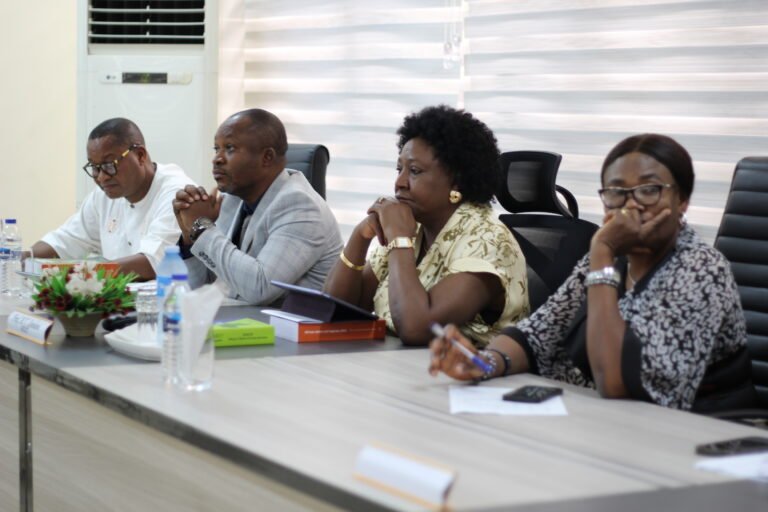
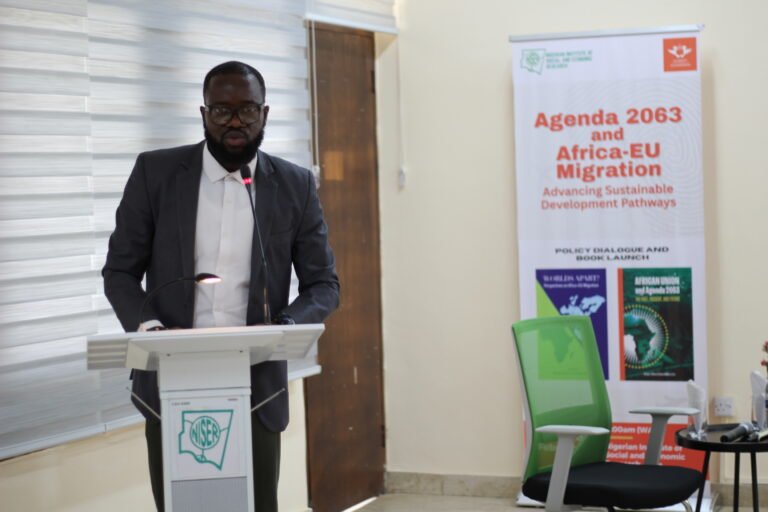
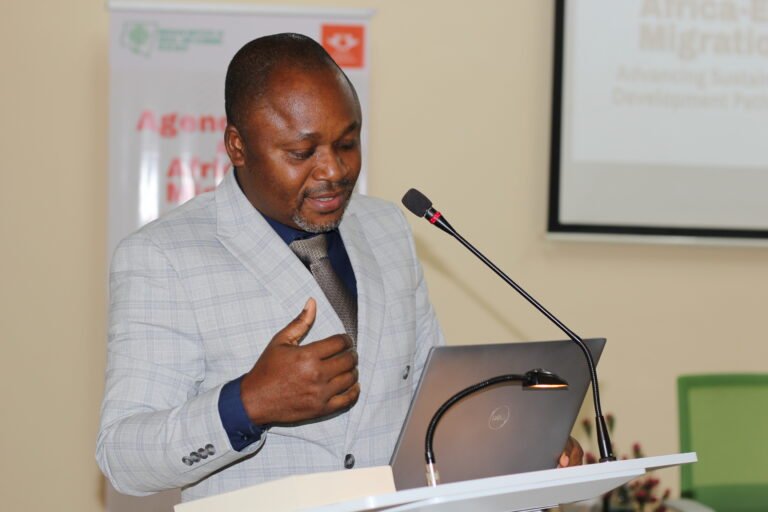
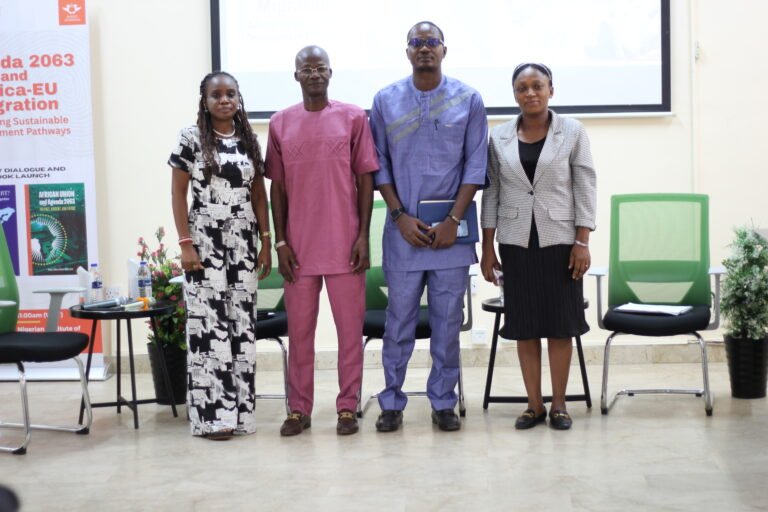
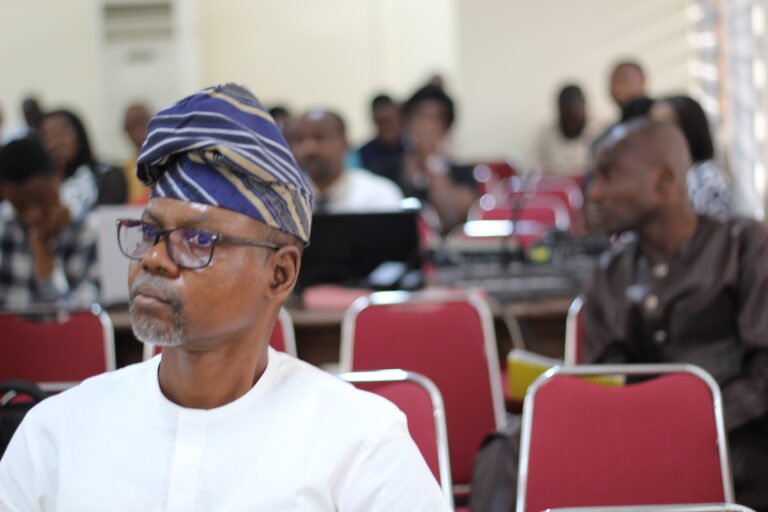
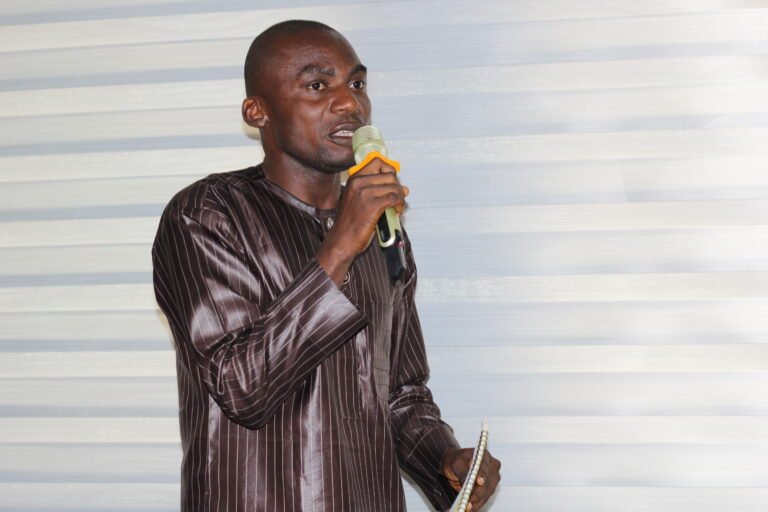
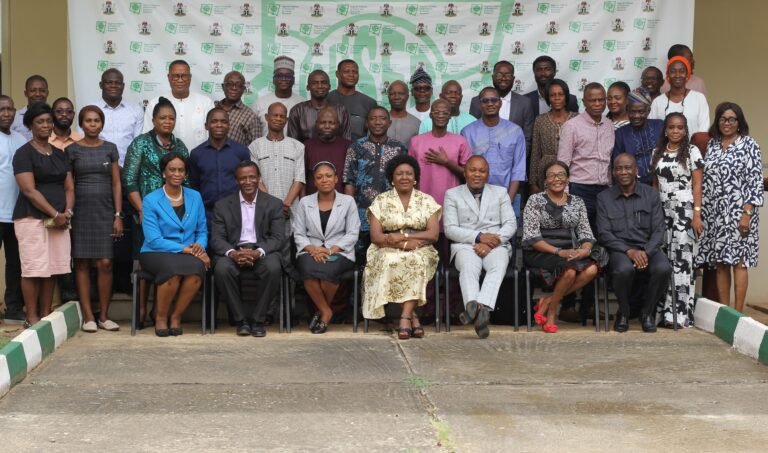
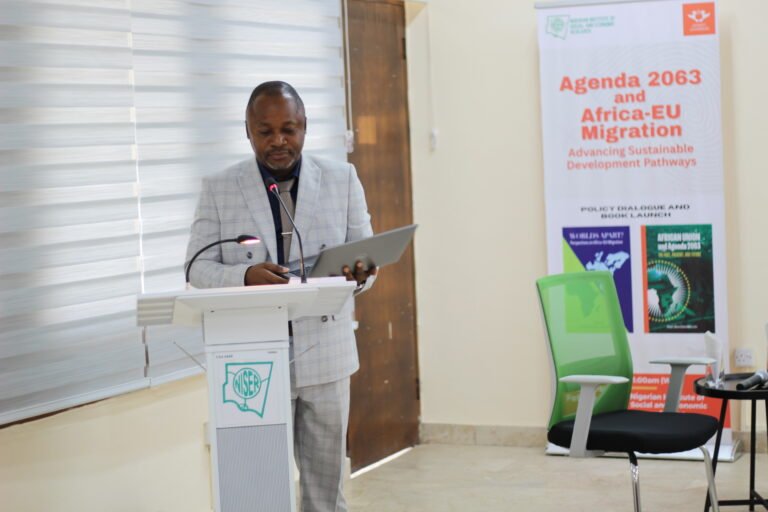
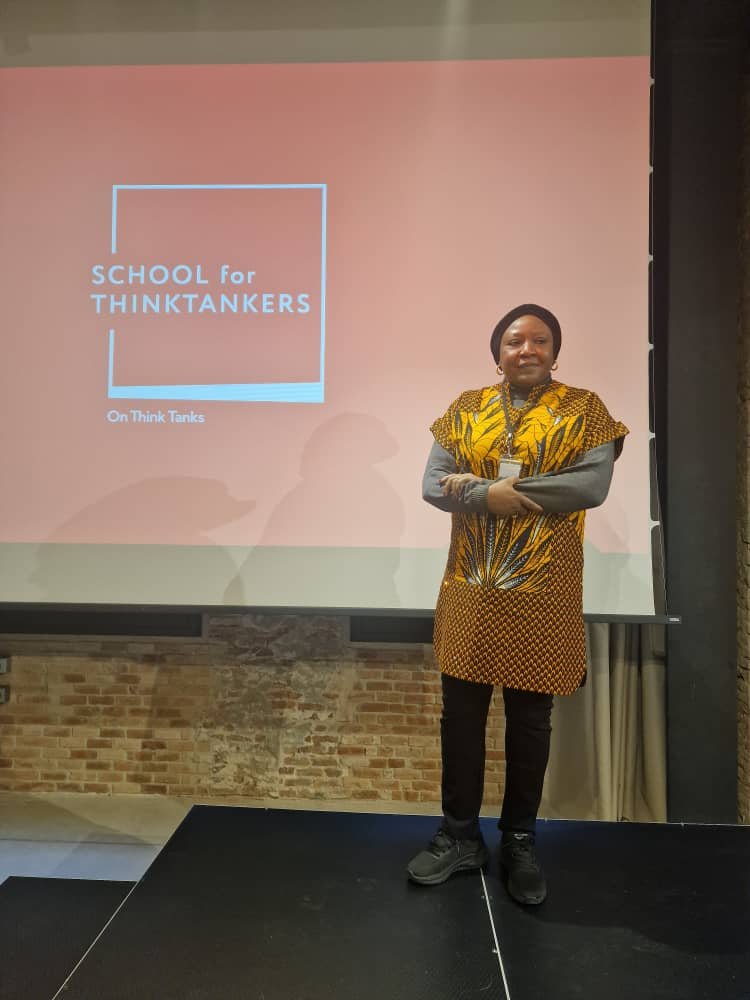
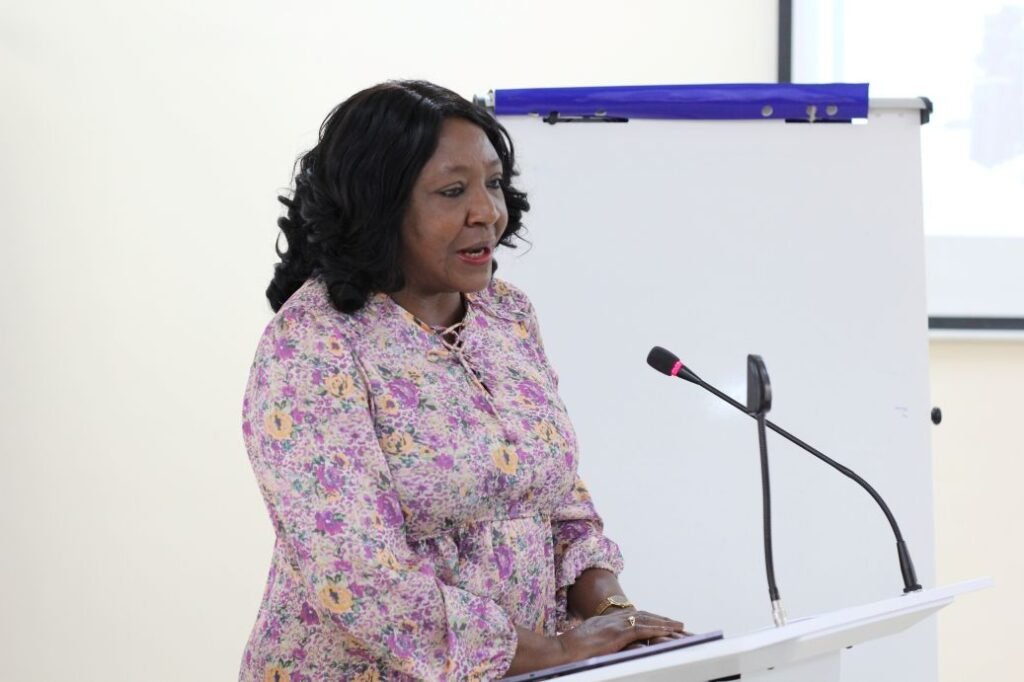
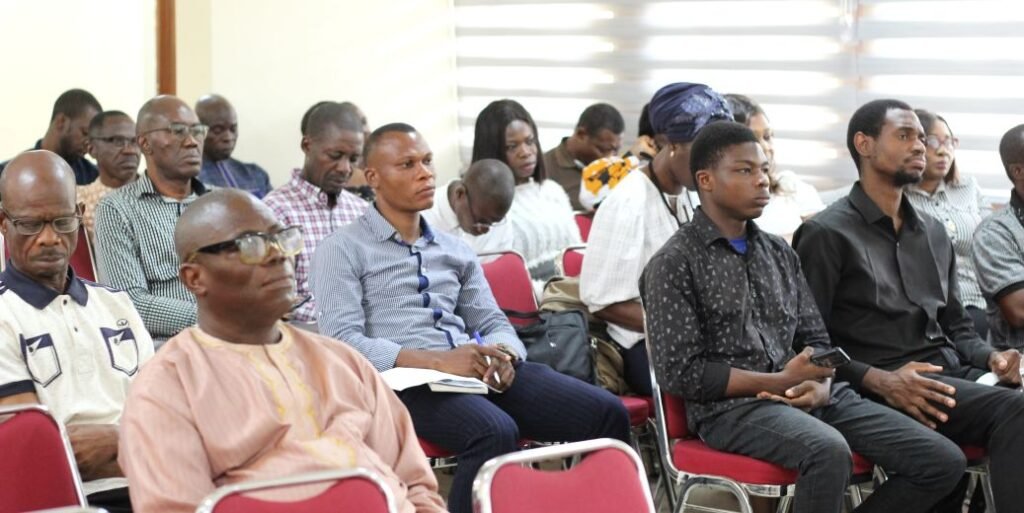
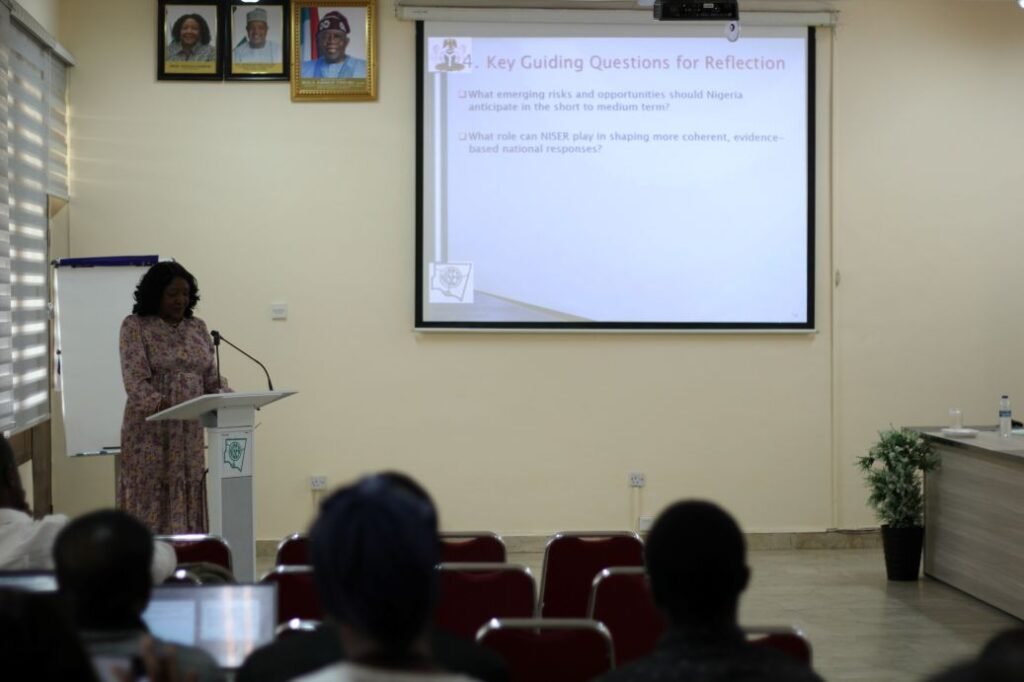
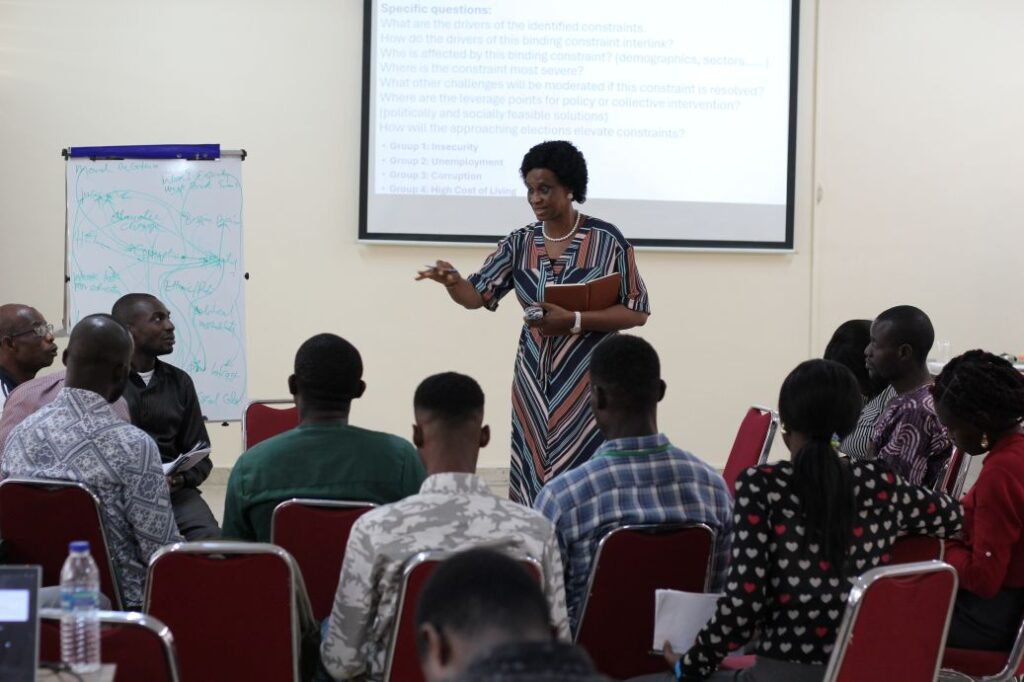
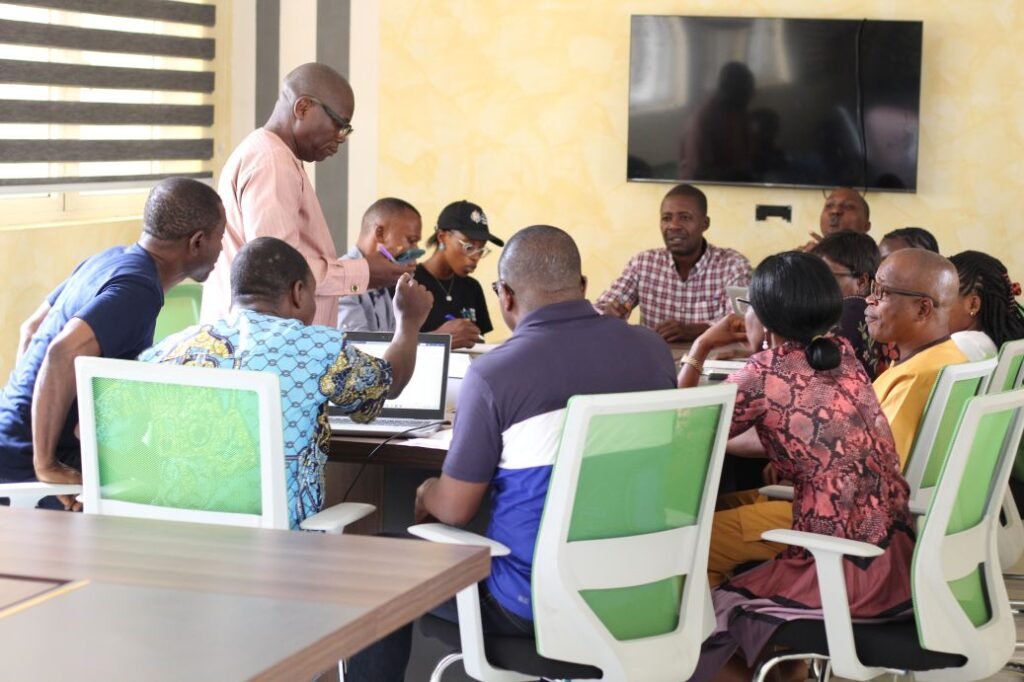
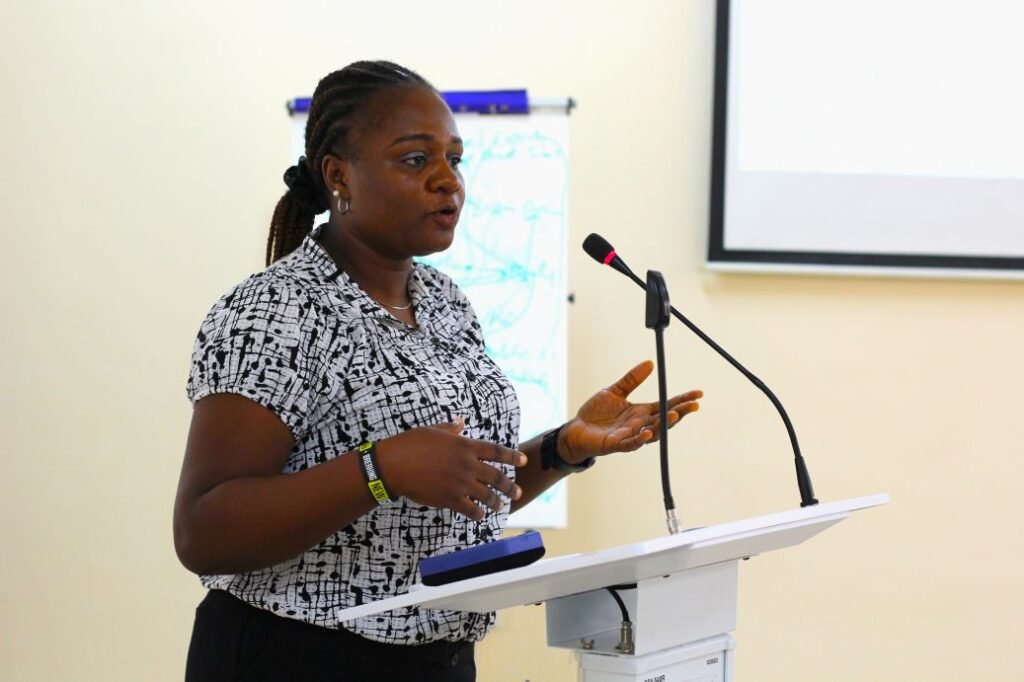
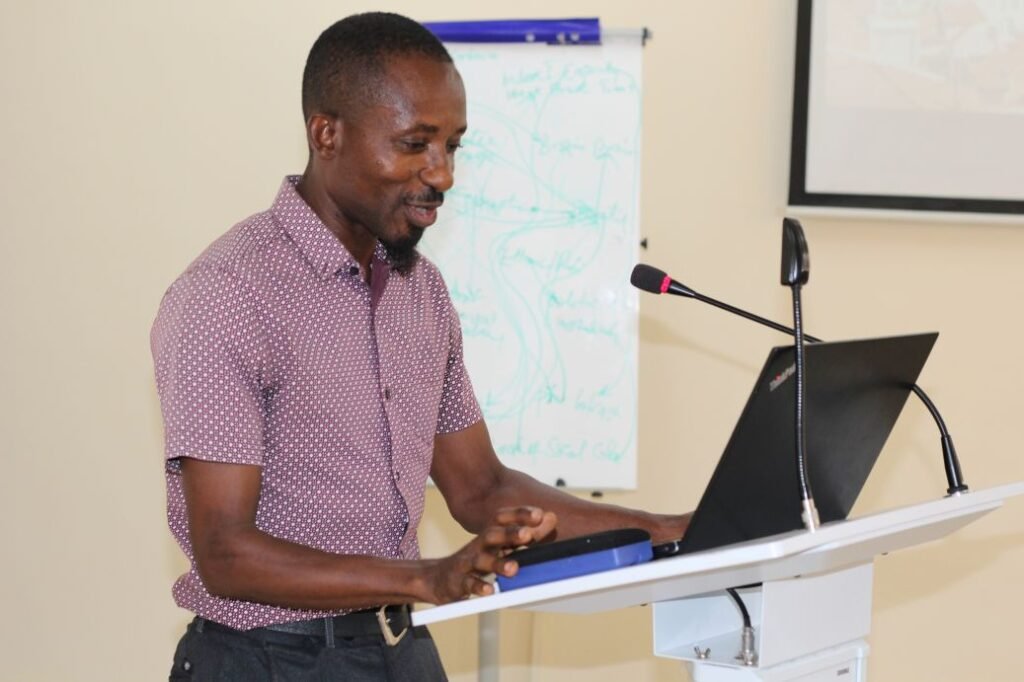
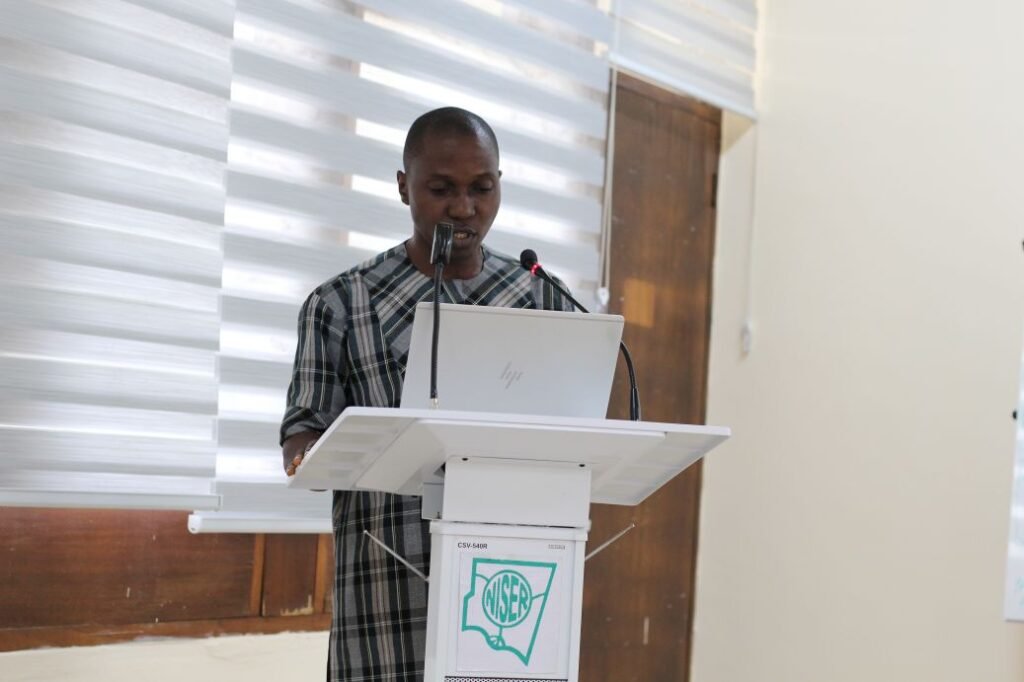
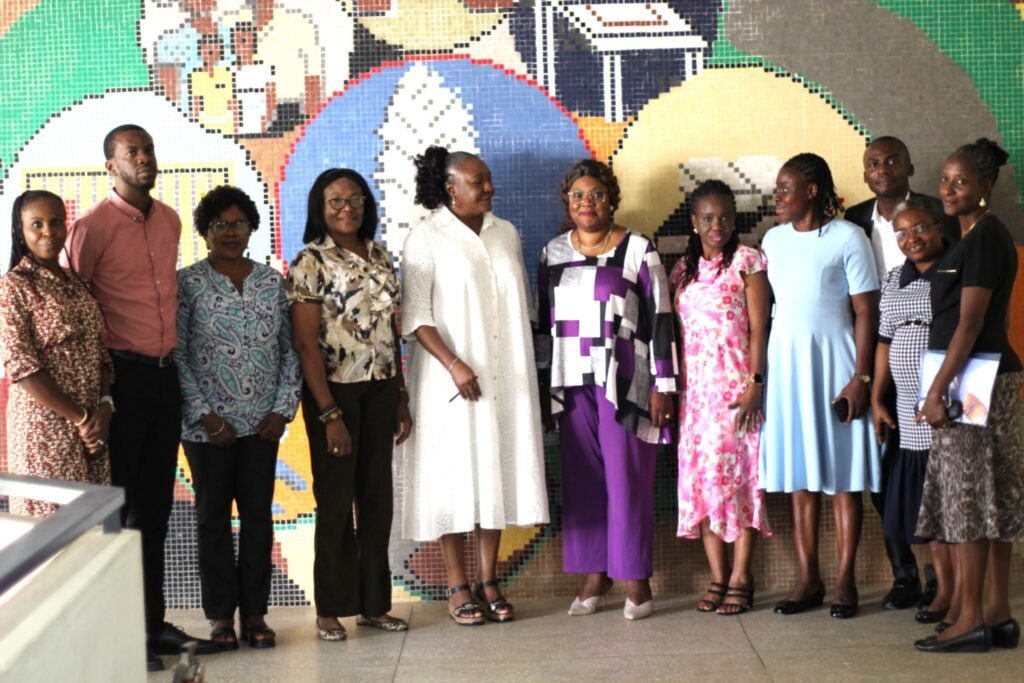
On Tuesday, October 22nd, 2025 at the Nigerian Institute of Social and Economic Research (NISER), Ibadan, the Institute hosted an engaging inception seminar for Professor Gbenga Sunmola, who joins NISER as a Sabbatical Fellow.
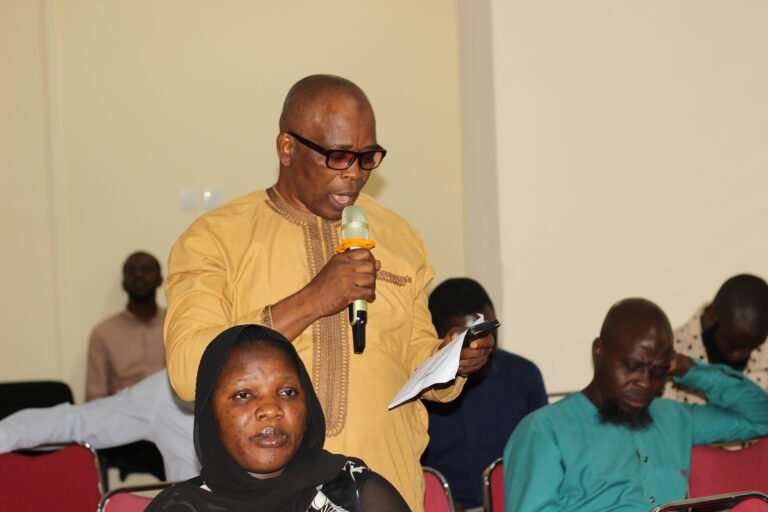
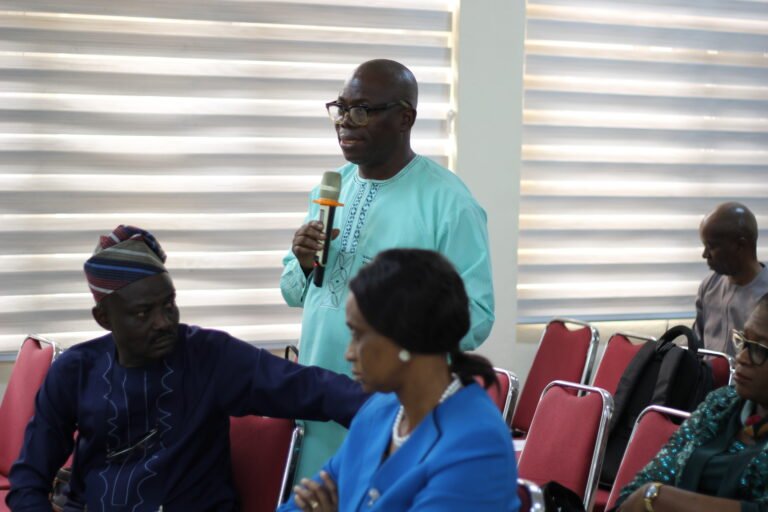
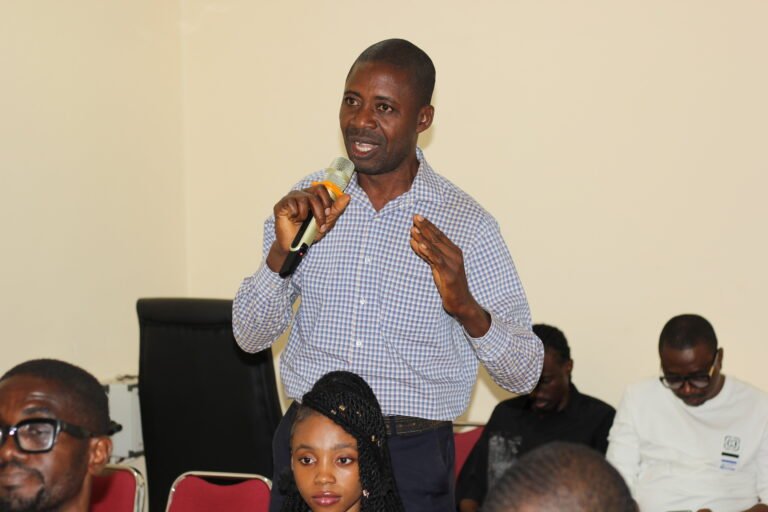
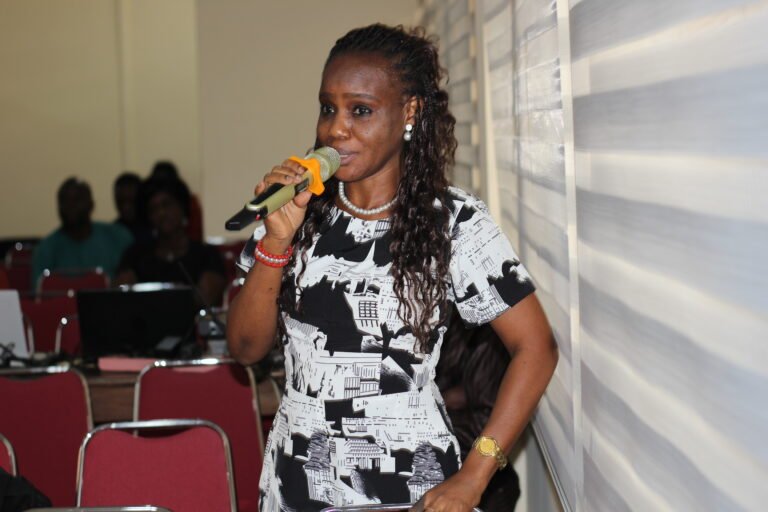
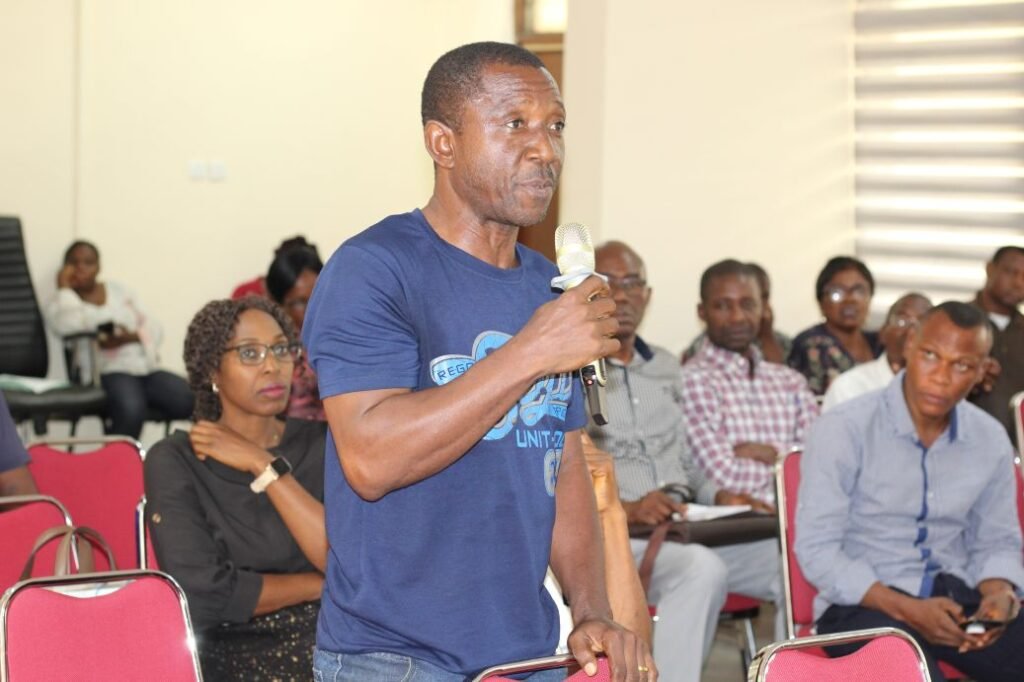
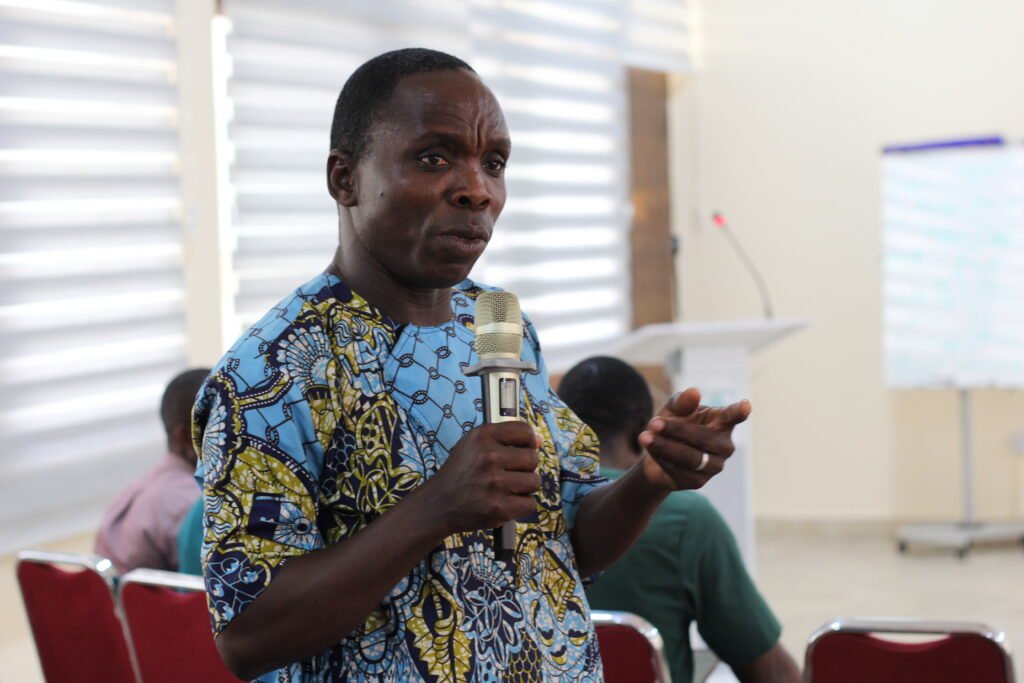
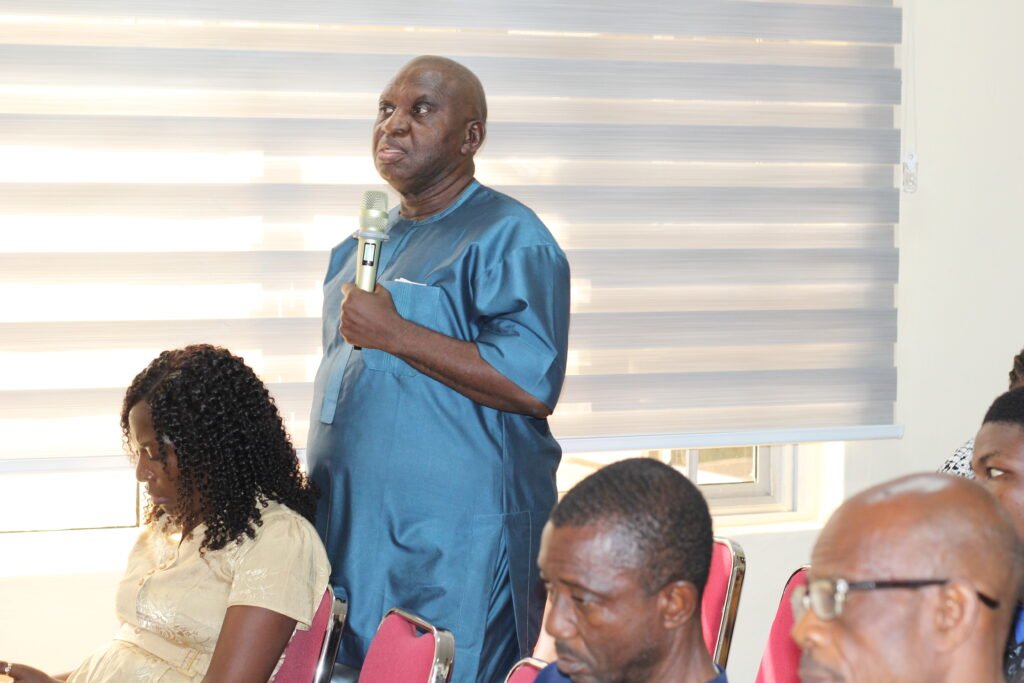
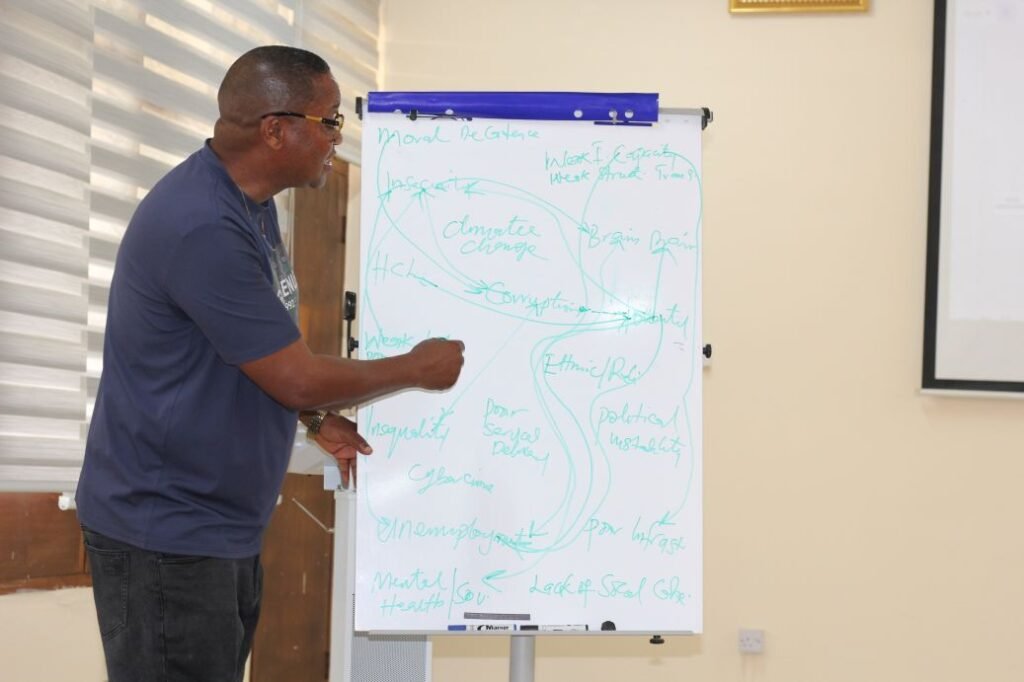
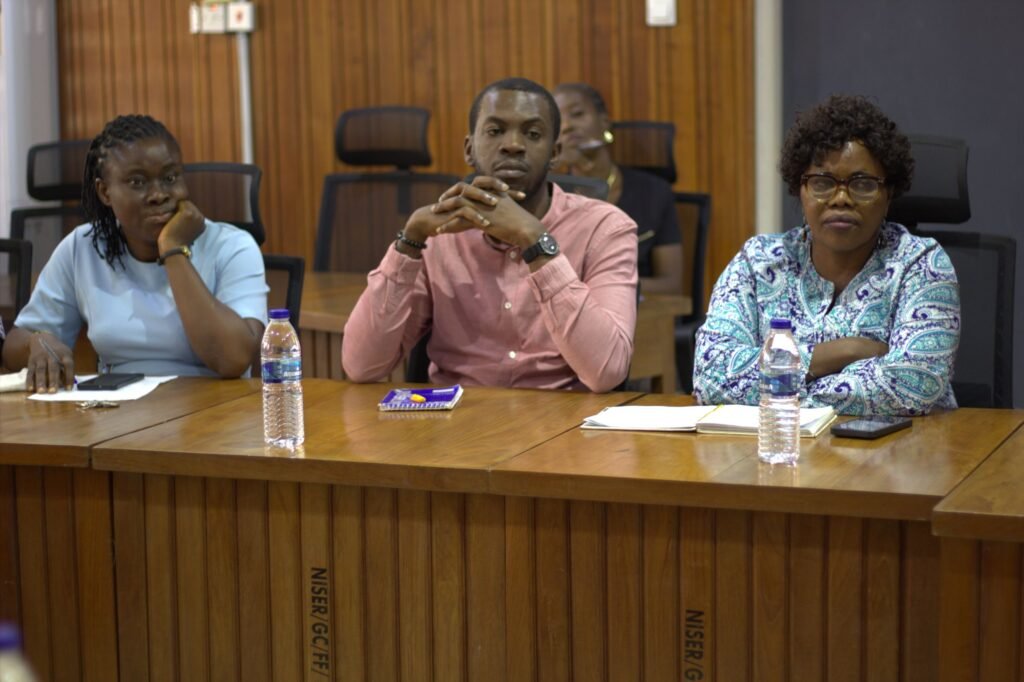
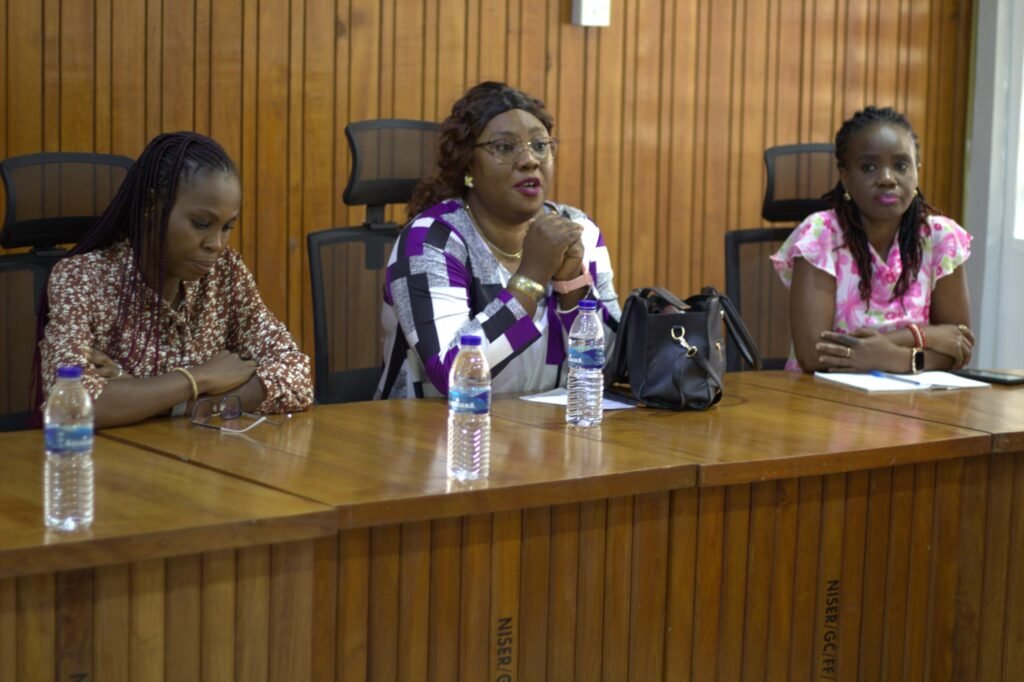
Prof. Sunmola presented a paper titled “Intimate Partner Violence (IPV) in Nigeria: Patterns, Impacts, and Policy Influence.” The presentation offered a rich, evidence-based discussion on the dynamics of IPV in Nigeria, its social implications, and pathways for effective policy response. The seminar featured an interactive session, where NISER researchers shared feedback, posed questions, and exchanged ideas for deepening research on gender and social policy.
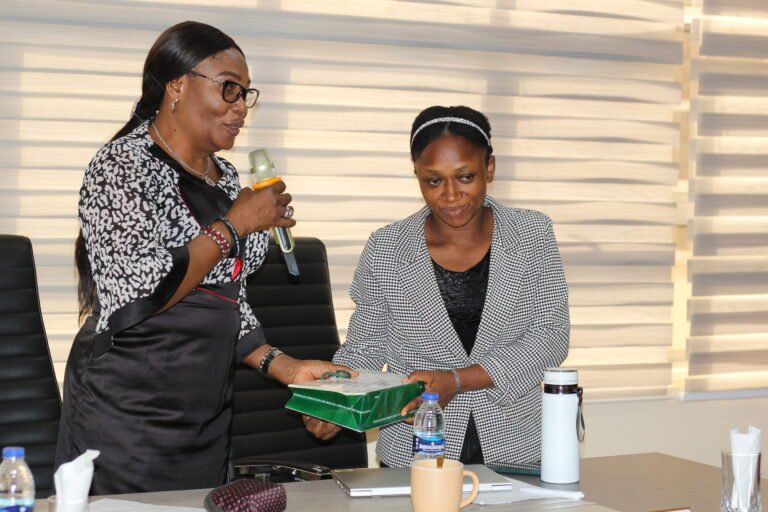
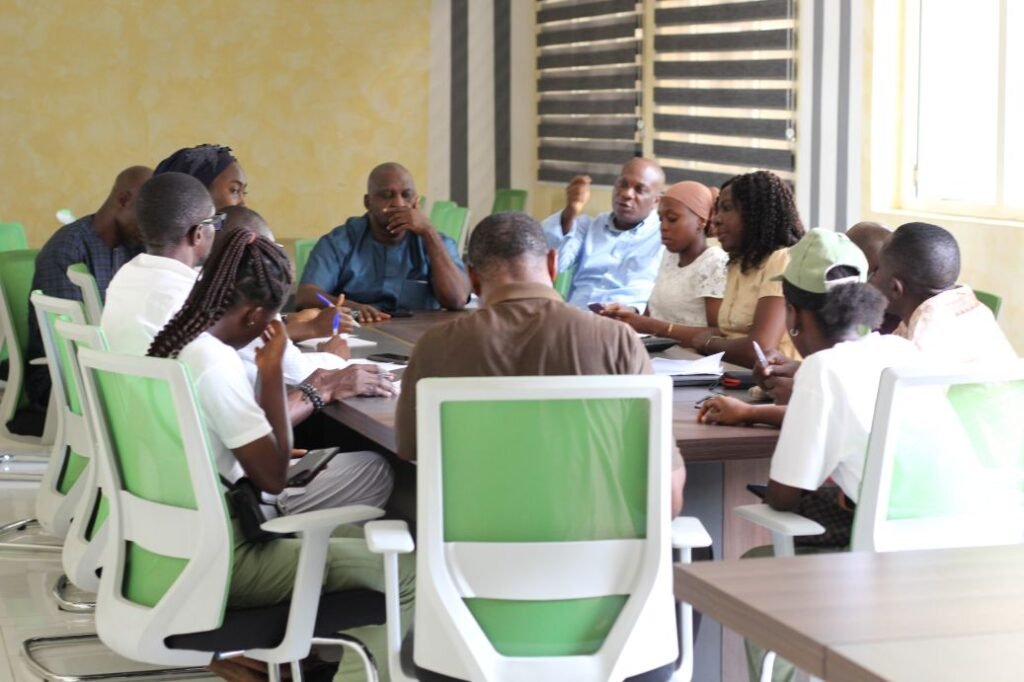
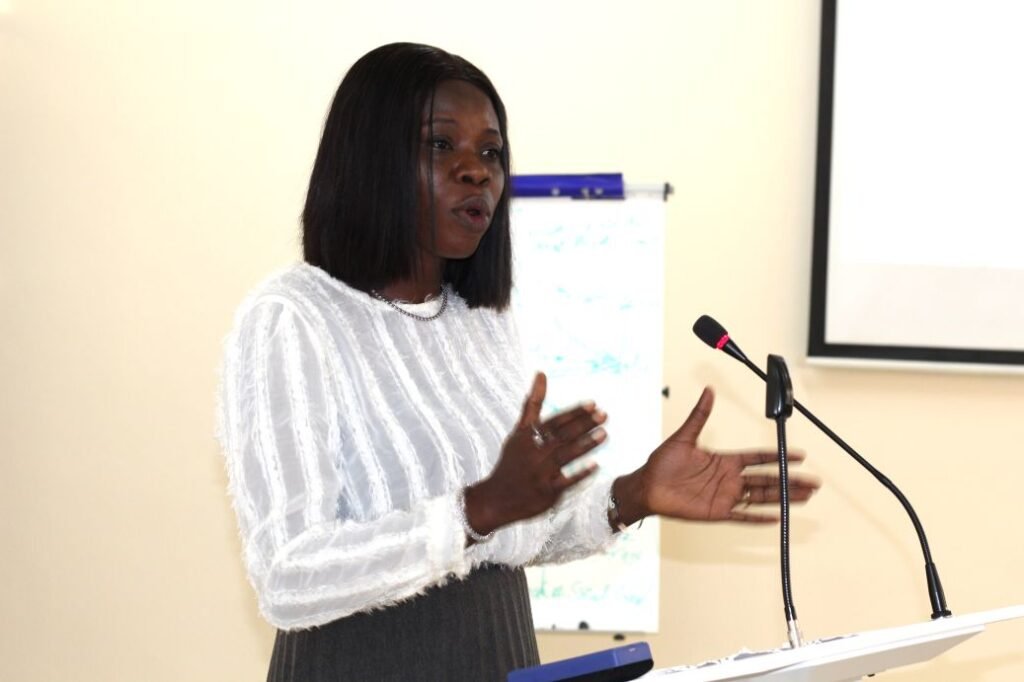
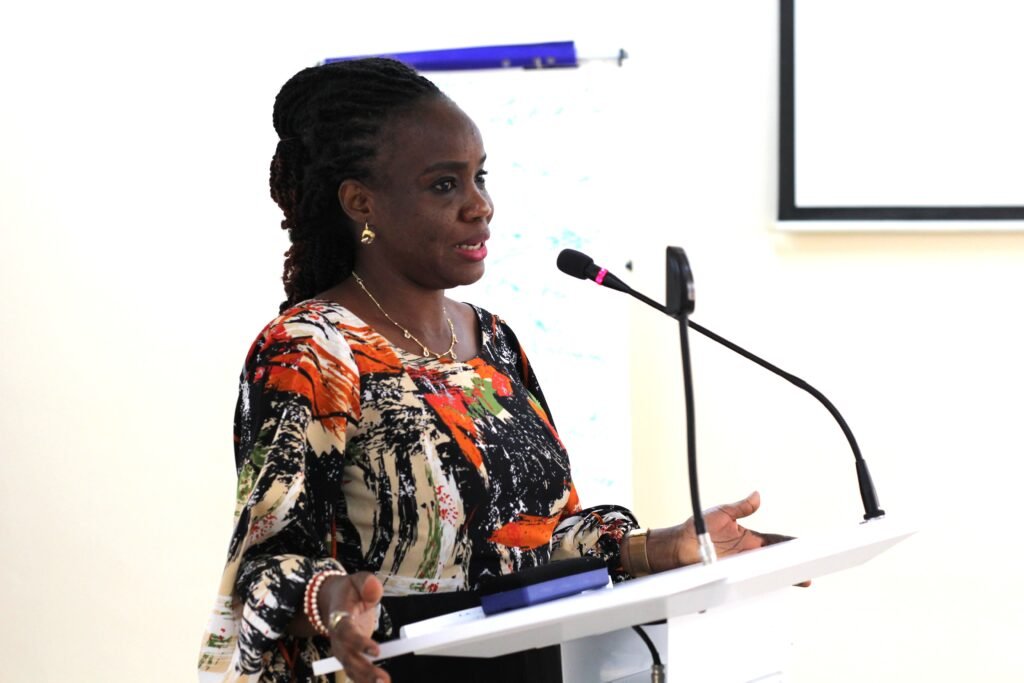
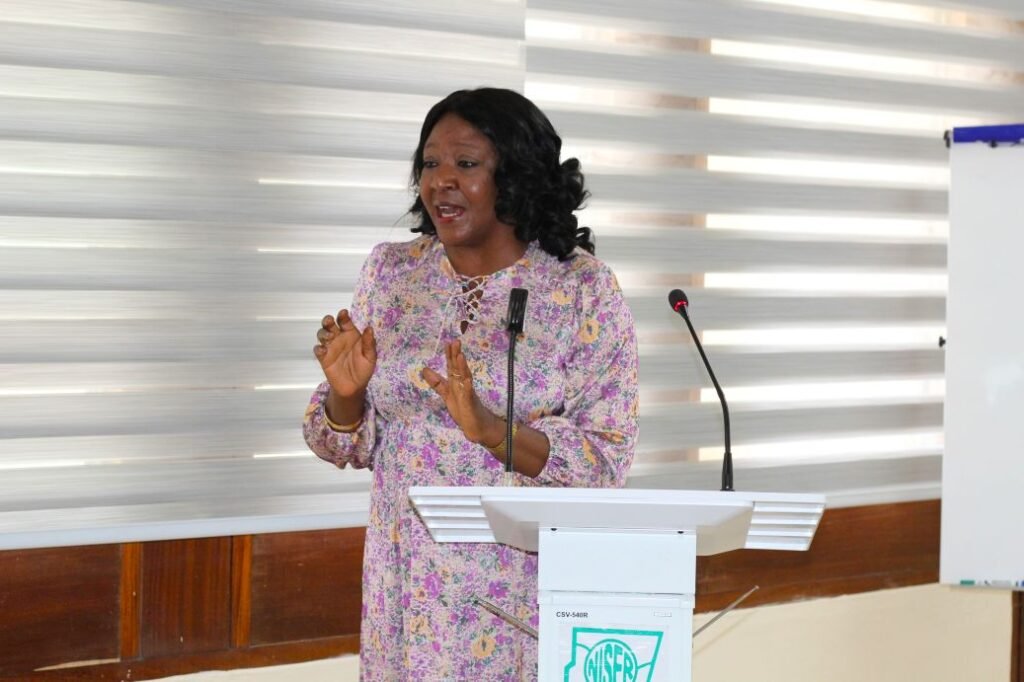
Following the seminar, an orientation programme for newly appointed post-doctoral fellows was held. The session, led by Prof. Adeoti, provided the fellows with guidance on the Institute’s research culture and expectations. He emphasized the hallmarks of scholarship, mentorship, and professionalism that underpin NISER’s mission of producing quality, policy-relevant research. The new fellows also had opportunities to engage and share their expectations.
In her address, the Director-General of NISER, Prof. Antonia Taiye Simbine, commended the growing community of researchers within the Institute. She provided an overview of the 2025 research programme, highlighting ongoing research projects, institutional collaborations, and upcoming partnerships aimed at advancing Nigeria’s social and economic development agenda.
The day’s activities reflected NISER’s commitment to fostering a vibrant research community, promoting mentorship, and strengthening evidence-based policy dialogue in Nigeria.
NISER Hosts Vice Chancellor and Delegation from James Hope University
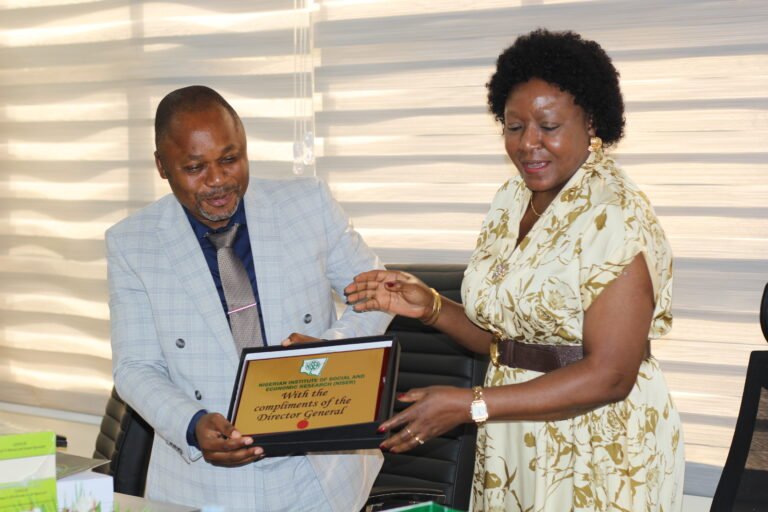
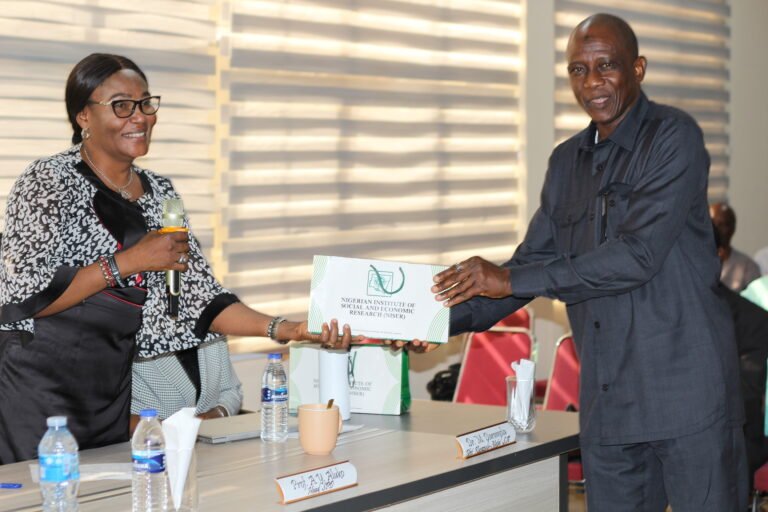
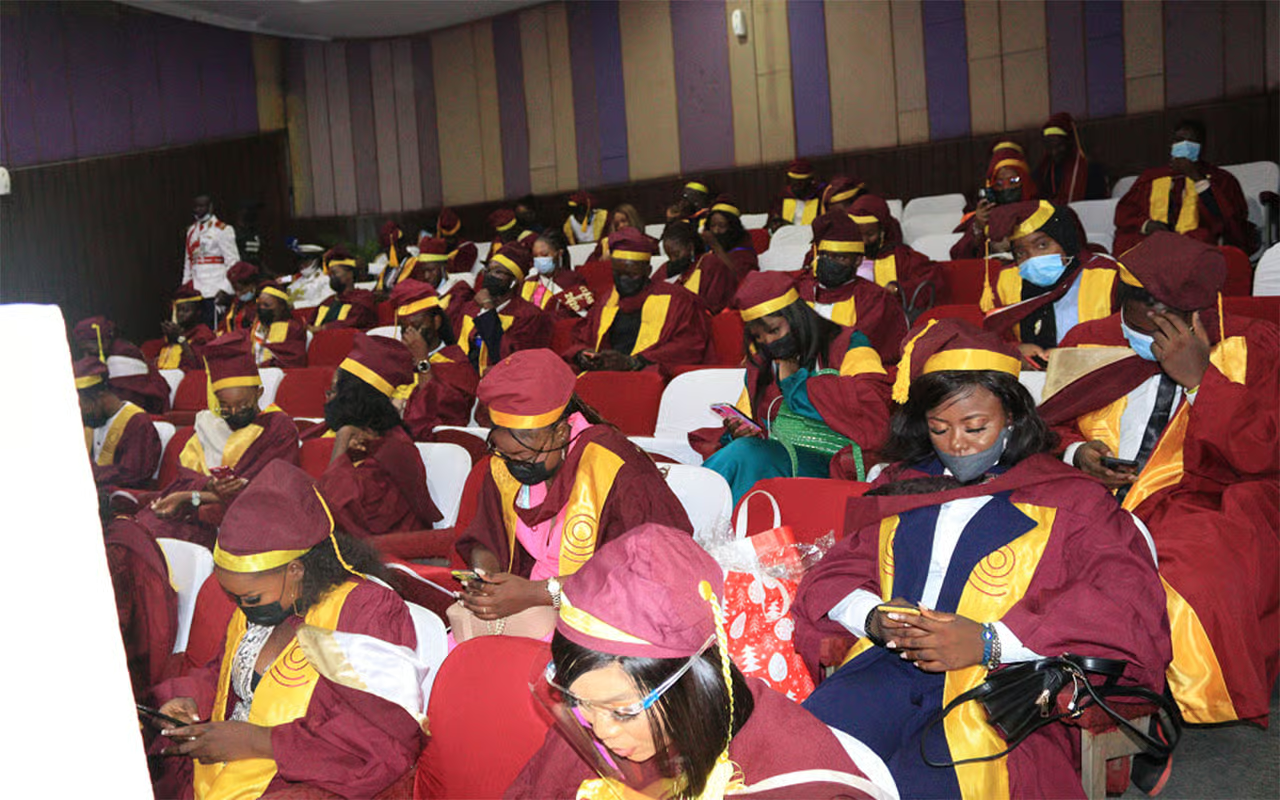
On Friday, October 17th, the Vice-Chancellor, Prof. Austin Nosike, and select delegates from James Hope University paid a courtesy visit to NISER. They were received by the Director-General, Prof. Antonia Simbine, and some members of the research staff at NISER.
Discussions addressed potential opportunities for collaboration, faculty exchanges, and possible areas for partnership in economic development, policy analysis, innovation, intrapreneurship and entrepreneurship.
The NISER community appreciates the visit and looks forward to further engagements with James Hope University.
NISER Researchers Engage Youth Indigenous Entrepreneurs Across Nigeria
In September 2025, researchers at the Nigerian Institute of Social and Economic Research (NISER) embarked on a nationwide fieldwork exercise under the Mastercard Foundation-funded ‘Youth Futures in Dignified and Fulfilling Work in Africa’ Project. The project forms part of a multi-country research initiative that explores how young people in Africa navigate work and enterprise within changing economic landscapes.
The Nigerian component of the study focused on indigenous enterprises, locally rooted, often informal businesses where innovation, creativity, and resilience intersect with traditional knowledge and community networks.
During the fieldwork, NISER researchers conducted focus group discussions and in-depth interviews with youth entrepreneurs operating in diverse sectors such as agro-enterprises, textiles, craft production, and beauty and cosmetics. The team also held key informant interviews with representatives of relevant government ministries, departments, and agencies (MDAs), as well as informal training centres, incubation hubs, and educational institutions that play active roles in supporting youth employment and enterprise development in Nigeria. The scope of the study covered a total of 20 locations: three states in each of the country’s six geopolitical zones, Lagos (Nigeria’s commercial capital), and the Federal Capital Territory.
This phase of the study provided rich opportunities to hear directly from young entrepreneurs about their motivations, aspirations, and lived experiences in building and sustaining enterprises. Participants shared insights into the social dynamics shaping their work, the structural challenges they face — from access to finance and markets to regulatory barriers — and the innovative strategies they adopt to stay competitive in a rapidly changing economy.
As the fieldwork phase concludes, NISER’s research team is now analysing the wealth of qualitative data collected to identify key themes and policy-relevant insights for the ongoing study. Findings from this study will contribute to a broader understanding of how to create dignified and fulfilling work opportunities for Africa’s youth, while strengthening local capacities for innovation and sustainable development.
Balancing Electricity Tariffs and Consumers’ Wallets: Insights from Nigerian Households and Firms
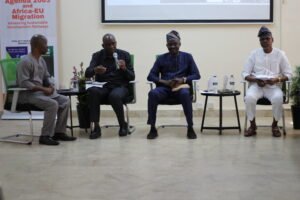
The Nigerian Institute of Social and Economic Research (NISER) hosted the August 2025 edition of its Research Seminar Series (NRSS) on Tuesday, August 26, 2025. The seminar, themed “Balancing Electricity Tariffs and Consumers’ Wallets: Insights from Nigerian Households and Firms’ Ability to Pay,” brought together policymakers, industry leaders, academics, consumer advocates, and the media to deliberate on one of Nigeria’s most pressing policy challenges: energy affordability.
The session was chaired by Dr. Hassan Mahmud, President of the Nigerian Association for Energy Economics, with a presentation by Dr. Iyabo Olanrele, and contributions from discussants Dr. Ekundayo Mesagan and Dr. Mohammed Santuraki.
Opening Context
In her opening remarks, NISER’s Director-General, Prof. Antonia Taiye Simbine, highlighted the critical role of energy security, affordability, and sustainability in Nigeria’s economic transformation. She noted that electricity is “non-negotiable” for livelihoods and enterprise, from small barbershops and welding workshops to large industries. However, tariff adjustments following the April 2024 increase for Band A customers have sparked heated debates about affordability, equity, and service reliability.
She cited key findings from the NISER-commissioned study:
- Average daily energy supply stands at 10 hours—well below the promised 20 hours.
- 79% of households consider the new tariff unaffordable.
- Solar adoption has increased by 22%, while petrol use also rose by 9%, reflecting both resilience and new pressures on households.
- Firms reported that electricity costs contribute to an average of 82% of monthly production expenses.
- Though 87% of firms observed improved grid supply, reliability remains inconsistent.
Prof. Simbine stressed that tariff reforms must be guided by the ability to pay, warning that inclusivity, service reliability, and competitiveness will remain elusive if consumer realities are ignored.

Key Findings from the Study
Presenter Dr. Iyabo Olanrele provided deeper insights from fieldwork conducted in Lagos and Kano States, two major commercial hubs. Among households surveyed, the average monthly income was about ₦290,000, with many experiencing sharp increases in energy expenditures following the tariff hike. In Lagos, 88.7% of households reported being unable to afford the new rates, compared to 72.9% in Kano.
For firms, electricity expenses were identified as a major driver of high production costs, with many turning to solar alternatives to remain competitive. However, reliance on petrol generators also rose, raising concerns for Nigeria’s transition to greener energy systems.
Perspectives from Discussants and Stakeholders
The discussants added depth to the analysis.
Dr. Santuraki underscored the disconnect between tariff hikes and actual service delivery, arguing that affordability must remain central to reform. He stressed the need for targeted subsidies and improved transmission infrastructure.
Dr. Mesagan commended the study’s evidence base, noting its relevance for both national and global research, while also urging for broader geographical coverage and deeper analysis of alternative energy costs and barriers.
Stakeholders from the electricity sector, consumer advocacy groups, and regulatory agencies also contributed. Representatives from the Ibadan Electricity Distribution Corporation (IBEDC) and Nigerian Bulk Electricity Trading (NBET) highlighted infrastructure and liquidity challenges, while consumer advocates called for tariffs to reflect service actually delivered, not just regulatory determinations.
Policy Implications
Several policy directions emerged from the discussions:
- Link tariffs to service reliability by ensuring that DISCOs make measurable infrastructural investments before adjustments.
- Support vulnerable households and firms with incentives and targeted subsidies.
- Leverage the 2023 Electricity Act to expand decentralized grids and renewable energy systems.
- Strengthen purchasing power through minimum wage reforms and social protection measures.
- Address energy theft and transmission bottlenecks to stabilize the power sector value chain.
Closing Reflections
The seminar reinforced NISER’s role as a hub for evidence-based policymaking. The lively exchanges between scholars, policymakers, operators, and consumers underscored the urgency of balancing cost-reflective tariffs with social equity.
As the Chair, Dr. Mahmud, summarized that tariff reforms must not only recover costs but also deliver tangible benefits to consumers, otherwise Nigeria risks undermining productivity, equity, and growth.
The August 2025 NRSS ended with renewed commitment to shaping energy reforms that are both economically sound and socially just.
NISER Researchers Prepare for Nationwide Fieldwork on Youth Futures Project
The Nigerian Institute of Social and Economic Research (NISER) is partnering with the Institute of Statistical, Social and Economic Research (ISSER) in a pioneering research initiative responding to the Mastercard Foundation’s call for advancing “Youth Futures in Dignified and Fulfilling Work in Africa.”
As part of the Nigerian component of the project, NISER researchers are set to embark on a nationwide field study, covering 20 states across the country. The research will explore how indigenous and informal enterprises contribute to employment creation, skills development, and innovation within local economies.
On August 21, 2025, NISER held a training workshop for the research team selected to conduct the qualitative field survey. The session provided participants with in-depth orientation on the project’s objectives, methodology, and tools for data collection.
The data collection would include:
Focus group discussions (FGDs) with youth engaged in indigenous enterprises;
Key informant interviews (KIIs) with entrepreneurs, policymakers, policy implementers, NGOs, and development partners;
Consultations with financial service providers, industry enablers, universities, and informal sector training associations.
During the training, each instrument was carefully examined, and researchers discussed techniques for effectively engaging respondents in diverse cultural and business contexts. Participants also took part in role-playing exercises designed to simulate field interactions and strengthen interviewing skills. Trainers provided feedback on interviewing approaches, note-taking, and ethical considerations, while highlighting the peculiarities researchers might encounter across Nigeria’s regions.
The training concluded with a renewed sense of purpose among participants, who expressed enthusiasm for contributing to this transformative project. The Youth Futures study promises to provide critical insights that can guide policy reforms, youth employment programmes, and enterprise support mechanisms in Nigeria and across Africa.
Register for NISER RESEARCH SEMINAR SERIES: August 2025 Edition

The August 2025 edition of the NISER Research Seminar Series (NRSS) is approaching.
Theme: BALANCING ELECTRICITY TARIFFS AND CONSUMERS’ WALLETS: Insights from Nigerian Households and Firms’ Ability to Pay
Seminar Chair: Dr. Hassan Mahmud, FCIBN (President, Nigerian Association for Energy Economics, Abuja, Nigeria)
Discussant: Dr. Ekundayo Peter Mesagan (Senior Faculty, School of Management and Social Science, Pan-Atlantic University, Lagos)
Presenter: Dr. Iyabo Olanrele (Senior Research Fellow, Economic & Business Policy Department, NISER, Ibadan)
Date: Tuesday, 26th August, 2025
Time: 10am prompt
Venue: NISER Conference Room and Online via Zoom

We look forward to hosting you at this hybrid event.
To participate online or on-site, click below to register:

L’Analisi di Scommezoid sulle Dinamiche delle Scommesse UFC

L’universo delle scommesse sportive ha vissuto una trasformazione radicale con l’ascesa delle arti marziali miste, in particolare dell’UFC. Scommezoid, attraverso la sua analisi approfondita delle dinamiche di scommessa, ha identificato pattern unici che caratterizzano questo sport rispetto alle discipline tradizionali. Le peculiarità dell’UFC creano opportunità e sfide distintive per chi studia le quote e i movimenti del mercato delle scommesse.
L’Evoluzione del Mercato delle Scommesse UFC
Dal suo debutto nel 1993, l’Ultimate Fighting Championship ha attraversato diverse fasi evolutive che hanno profondamente influenzato le dinamiche delle scommesse. Inizialmente considerato uno spettacolo di nicchia, l’UFC ha gradualmente conquistato il mainstream, portando con sé una crescita esponenziale del volume di scommesse. Scommezoid ha documentato come il passaggio dalla proprietà dei fratelli Fertitta a quella di Endeavor Group nel 2016 per 4 miliardi di dollari abbia segnato un punto di svolta decisivo.
La professionalizzazione del settore ha comportato l’introduzione di protocolli anti-doping più rigorosi attraverso l’USADA, modificando sostanzialmente le prestazioni degli atleti e, di conseguenza, l’affidabilità delle previsioni. L’analisi di Scommezoid evidenzia come eventi storici quali la sospensione di Jon Jones per doping nel 2017 abbiano creato precedenti che influenzano tuttora la valutazione del rischio nelle scommesse su fighter con trascorsi controversi.
L’espansione internazionale dell’UFC ha aperto nuovi mercati geografici, ciascuno con le proprie caratteristiche culturali e normative. Eventi come UFC London o UFC Paris hanno generato pattern di scommessa specifici, legati al supporto del pubblico locale e alle differenze nei fusi orari che influenzano la partecipazione degli scommettitori.
Fattori Unici delle Scommesse MMA
Le arti marziali miste presentano variabili che le distinguono nettamente da sport più prevedibili come calcio o tennis. Scommezoid ha identificato oltre quaranta fattori che possono influenzare l’esito di un incontro UFC, dalla lunghezza dell’allungo dei fighter alla loro capacità di adattamento durante il combattimento. La natura multidisciplinare delle MMA, che combina striking, grappling e wrestling, crea scenari dove un atleta dominante in una fase può trovarsi in difficoltà in un’altra.
Un elemento cruciale emerso dall’analisi è l’impatto del “octagon jitters”, il nervosismo che colpisce i debuttanti UFC. Statisticamente, i fighter al loro primo incontro nell’ottagono mostrano performance inferiori alle aspettative nel 68% dei casi, un dato che ha rivoluzionato l’approccio alle scommesse sui newcomer. La pressione mediatica e l’adrenalina dell’ambiente UFC creano condizioni uniche che non trovano paralleli in altri sport.
Il fenomeno del “lay-off rust” rappresenta un altro aspetto distintivo: fighter che rimangono inattivi per periodi prolungati spesso mostrano prestazioni compromesse al ritorno. L’analisi di Scommezoid su un campione di 500 incontri ha rivelato che pause superiori ai 18 mesi correlano con una diminuzione del 23% nelle performance metriche standard. Questo dato assume particolare rilevanza nel contesto delle UFC scommesse Italia, dove la comprensione di questi pattern può fare la differenza tra una valutazione accurata e una superficiale.
Metodologie di Analisi Avanzata
Scommezoid ha sviluppato un framework analitico che integra dati quantitativi e qualitativi per valutare le dinamiche UFC. Il sistema considera metriche avanzate come significant strikes per minute, takedown defense percentage e average fight time, combinandole con fattori psicologici e ambientali. L’utilizzo di algoritmi di machine learning ha permesso di identificare correlazioni non evidenti nell’analisi tradizionale.
Un aspetto rivoluzionario dell’approccio Scommezoid è l’analisi del “momentum shift” durante i combattimenti. Attraverso lo studio frame-by-frame di oltre 1000 incontri, è stato possibile mappare i momenti critici dove le dinamiche di un match cambiano drasticamente. Questi insights hanno applicazioni dirette nelle scommesse live, dove la capacità di anticipare i turning point può generare opportunità significative.
L’integrazione di dati biometrici e nutrizionali ha aperto nuove frontiere nell’analisi predittiva. Il monitoraggio delle variazioni di peso durante i camp di allenamento, combinato con l’analisi delle abitudini alimentari dei fighter, ha rivelato pattern predittivi con accuratezza superiore all’80%. Questi metodi rappresentano l’evoluzione naturale dell’analisi sportiva applicata alle scommesse UFC.
Impatto della Tecnologia e dei Social Media
L’era digitale ha trasformato radicalmente il panorama informativo che circonda l’UFC. Scommezoid ha documentato come l’analisi dei social media possa fornire indicatori predittivi sulla forma fisica e mentale dei fighter. Post su Instagram, interazioni su Twitter e persino l’analisi del sentiment nei commenti possono rivelare informazioni preziose sulla preparazione di un atleta.
La tecnologia di streaming e la diffusione globale degli eventi UFC hanno democratizzato l’accesso alle informazioni, ma hanno anche creato un’overdose informativa che richiede capacità di filtraggio sofisticate. L’algoritmo sviluppato da Scommezoid per processare il flusso di dati in tempo reale rappresenta un’evoluzione necessaria in questo contesto iperconnesso.
L’introduzione della realtà virtuale negli allenamenti UFC sta generando nuovi parametri di valutazione. Fighter che utilizzano tecnologie VR per simulare scenari di combattimento mostrano miglioramenti misurabili nella capacità di adattamento tattico, un fattore che sta diventando sempre più rilevante nelle valutazioni pre-match.
L’analisi di Scommezoid sulle dinamiche delle scommesse UFC rivela un ecosistema in continua evoluzione, dove la comprensione profonda dei fattori tecnici, psicologici e ambientali rappresenta la chiave per navigare efficacemente questo mercato complesso. La natura imprevedibile delle arti marziali miste, combinata con l’evoluzione tecnologica e mediatica del settore, crea un panorama ricco di opportunità per chi possiede gli strumenti analitici appropriati. Il futuro delle scommesse UFC dipenderà sempre più dalla capacità di integrare dati tradizionali con insights innovativi, rendendo l’approccio scientifico di Scommezoid un modello di riferimento per l’industria.
How can we help you?
Contact us at the NISER office nearest to you or submit an inquiry online.