
The Nigerian Institute of Social and Economic Research (NISER) held a Virtual Policy Dialogue on Tuesday, May 5, 2026, bringing together policymakers, researchers, industry professionals, and members of the public to assess the economic and geopolitical consequences of the ongoing US/Israel-Iran conflict for Nigeria and other developing economies.
The dialogue was declared open by NISER’s Director-General, Prof. Antonia Simbine, who underscored the urgency of evidence-based policy conversations during periods of global uncertainty. She noted that developing countries like Nigeria are particularly exposed to the ripple effects of geopolitical crises and reaffirmed NISER’s commitment to providing timely research and guidance to government and stakeholders.
Understanding the Crisis and Its Global Impact
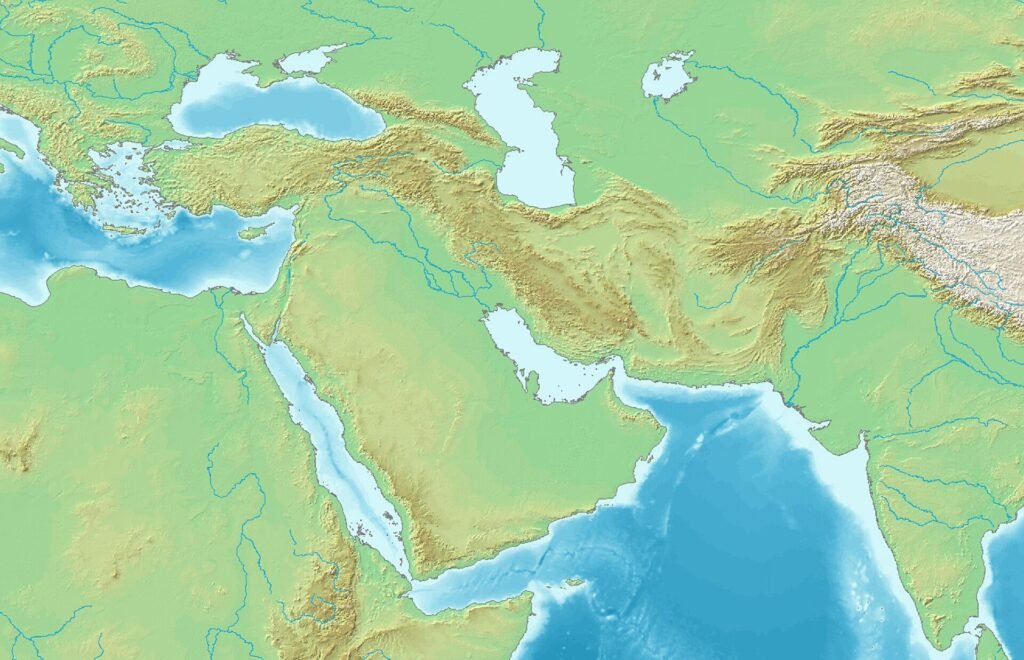
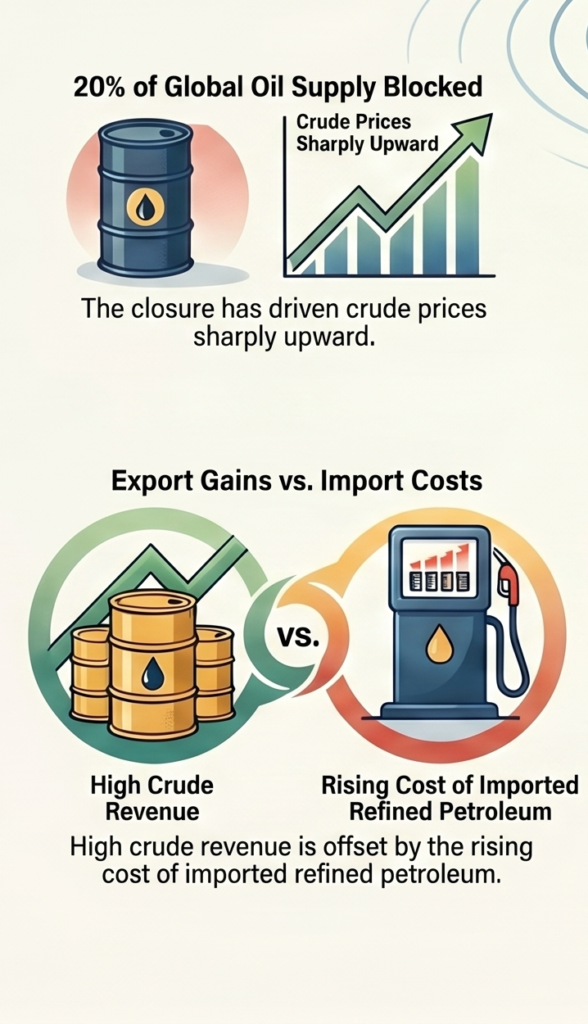
The lead presentation was delivered by Dr. Iyabo Olanrele, a Senior Research Fellow at NISER, who outlined the scale and scope of the disruptions triggered by the conflict. Central to the crisis has been Iran’s closure of the Strait of Hormuz; a critical chokepoint through which approximately 20 percent of global oil supply is transported. This has driven crude oil prices sharply upward and set off a chain of consequences across global energy markets.
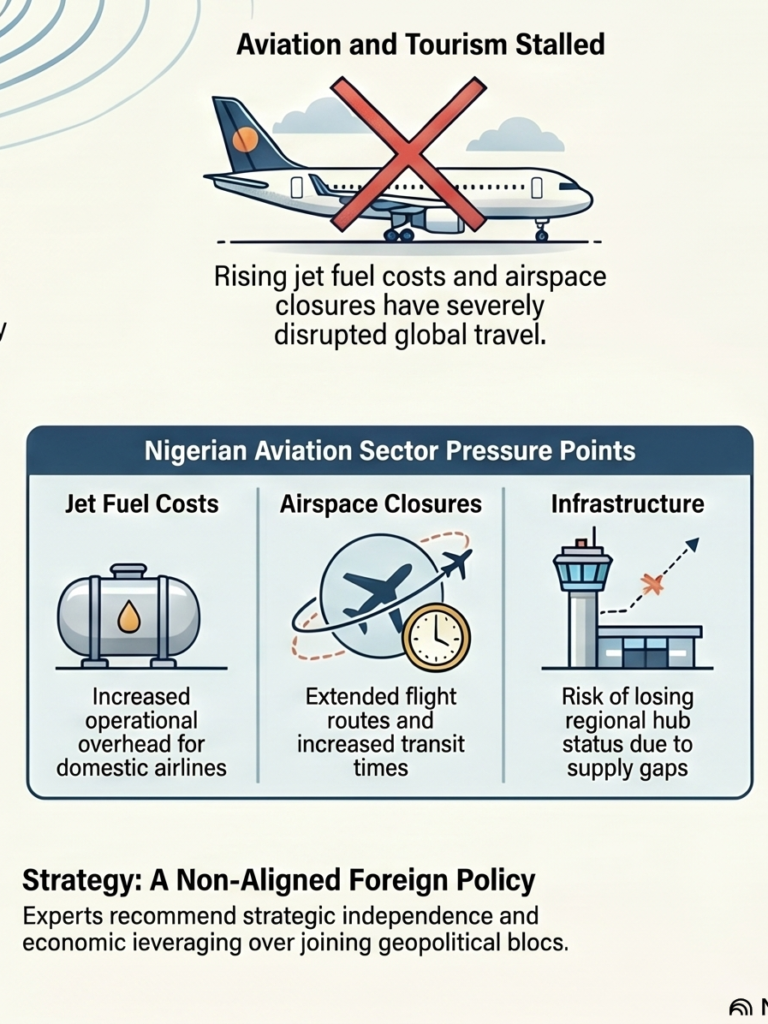
Dr. Olanrele highlighted that the fallout extends well beyond energy markets. Global inflation has risen, growth projections have been revised downward, and supply chains have been strained across multiple sectors. Reduced LNG supply and surging fertilizer prices have added further pressure on global food security, while aviation and tourism have been hit hard by rising jet fuel costs and widespread airspace closures across the Middle East.
Nigeria’s position in this crisis is complex. As an oil-exporter, the country stands to gain a fiscal windfall from higher crude prices. Despite the Dangote refinery’s substantial capacity, Nigeria’s persistent reliance on imported refined products and the refinery’s own need for imported crude feedstock leave the economy exposed to global fuel price shocks, domestic inflation, and exchange rate pressures. This dual reality (benefiting as a producer while suffering as a consumer) represents a significant policy dilemma that panelists expounded throughout the dialogue.
Panel Discussion: Energy, Aviation, and Geopolitics
The panel discussion, moderated by Prof. Godwin Akpokodje, drew on expertise from academia, policy, and industry across three key thematic areas.
Professor Salamatu Isah examined the energy dimension of the crisis, warning that Nigeria lacks the production capacity to fully capitalize on the current oil price surge. She called for a strengthening of domestic oil and gas infrastructure, sustained support for local refining through the naira-for-crude policy, and the revival of fiscal buffers such as stabilisation funds to cushion the economy against future shocks.
Dr. Steve Olusegun Ogidan addressed the crisis’s impact on aviation, tourism and hospitality industries, describing it as one of the most severe disruptions the sector has seen in modern times. He pointed to the sharp rise in jet fuel costs, extended flight routes, and widespread airspace closures as major cost drivers for airlines. He warned that Nigeria risks losing its potential as a regional aviation hub, citing its weak infrastructure and paradoxical practice of exporting jet fuel while facing domestic shortages. His proposed response centred on five pillars: energy supply chain security, financial support for airlines and tourism businesses, route diversification, promotion of domestic tourism, and the use of technology and data for pricing and risk management.
Professor Rufa’i Ahmed Alkali offered a broader geopolitical perspective, arguing that the conflict reflects deep-seated power struggles rather than a sudden escalation. He noted a discernible shift in the global order away from rules-based multilateralism toward power-driven dynamics, with traditional Western dominance giving way to the growing influence of China, Russia, and regional blocs. For Nigeria, he recommended a non-aligned foreign policy, strategic independence, and a focus on long-term national planning rather than short-term gains from oil windfalls.
Key Takeaways from the Open Discussion
The interactive session reinforced several of the panel’s core themes. On Nigeria’s foreign policy stance, it was said that the country is currently maintaining a neutral position, engaging informally in oil trade without officially aligning with any global bloc. Panelists advised that Nigeria’s priority should be to leverage the crisis economically — expanding market share and growing foreign reserves — rather than entering into geopolitical alignments that could have long-term consequences.
Participants also raised questions about how much of the projected oil windfall Nigeria has actually captured, and whether the country can truly be considered energy-secure given its partial reliance on imported refined products. Panelists acknowledged that structural inefficiencies and import dependence are likely to offset much of the revenue benefit, reinforcing the view that Nigeria remains energy-vulnerable despite being an oil exporter.
The conversation also touched on a persistent concern: the gap between expert recommendations and actual government policy. While no definitive answer was given, panelists stressed that bridging this gap requires stronger institutional frameworks, genuine political will, and a long-term orientation in national planning.
Conclusion: A Shared Call for Structural Reform
Across all sessions, a consistent message emerged: Nigeria’s central challenge is not a shortage of opportunities but a set of deep structural weaknesses that prevent the country from capitalising on them. Panelists and participants alike called for economic diversification, greater energy independence through improved domestic refining capacity and strategic reserves, investment in critical infrastructure, and more effective policy implementation.
There was also a broader continental dimension to the discussion. Professor Isah noted that many African countries are rethinking their alliances and investing in regional energy partnerships citing the Nigeria-Morocco gas pipeline as one example as part of a wider push toward strategic and economic self-reliance.
The dialogue concluded with a collective call for Nigeria to move away from reactive policymaking toward building energy sovereignty and resilient systems capable of absorbing recurring global shocks. As panelists emphasised, crises in the Middle East are neither new nor unpredictable and Nigeria’s response must reflect that reality.