NISER Strengthens Research Collaboration: Signs MoU with James Hope University
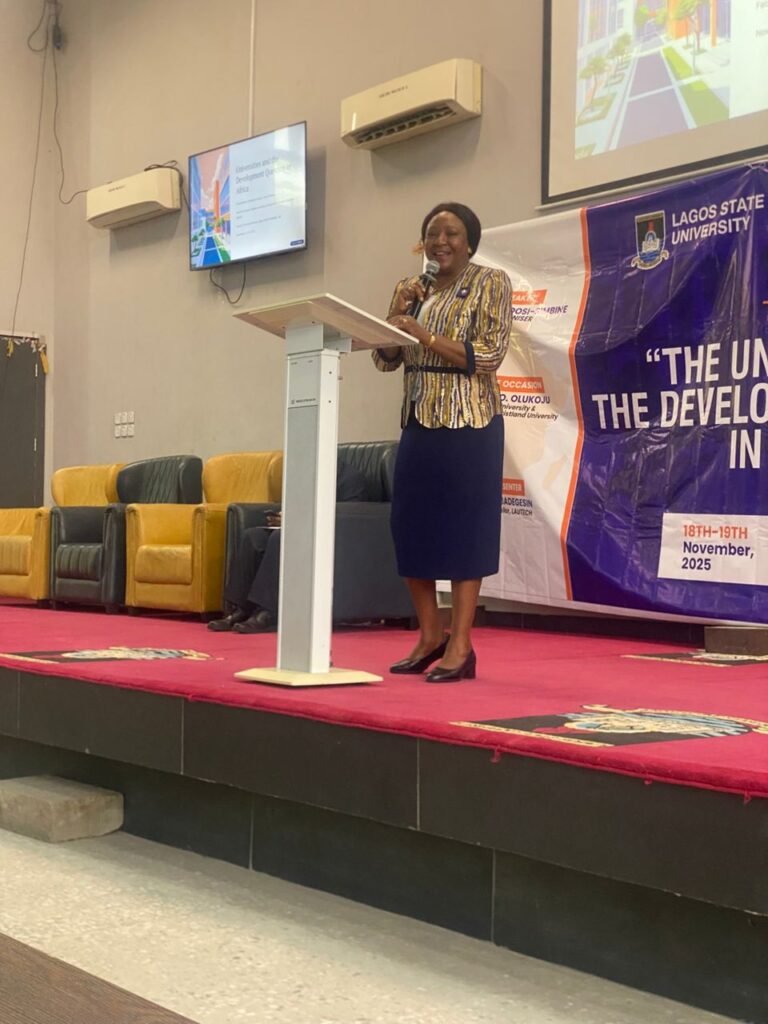
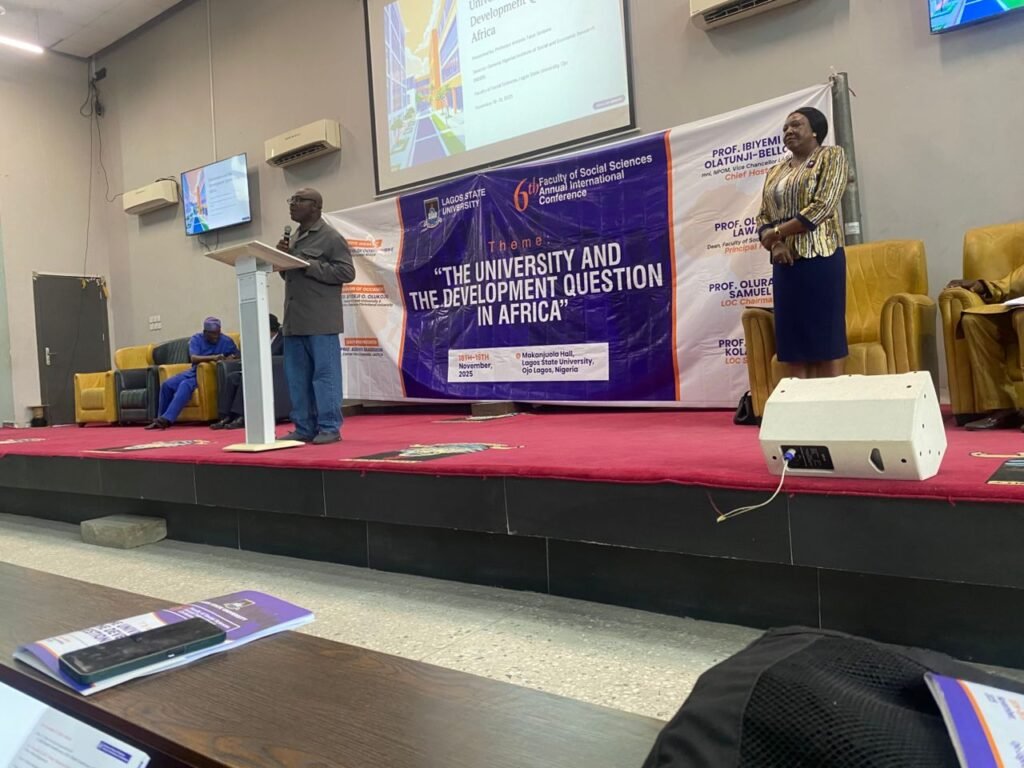
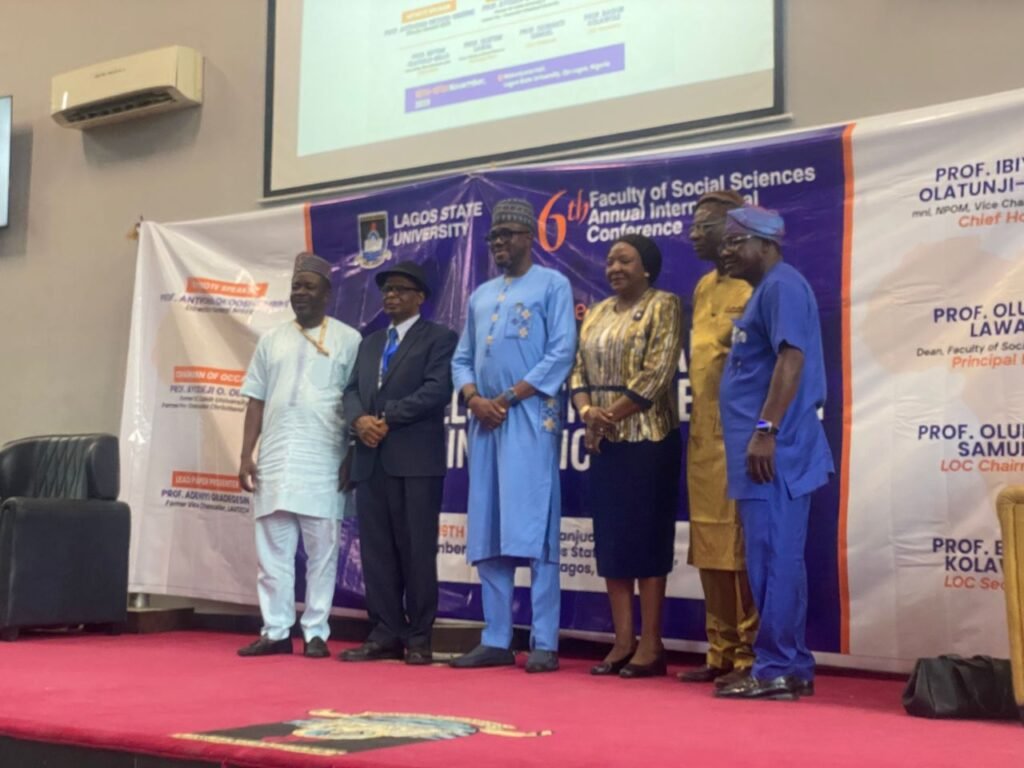
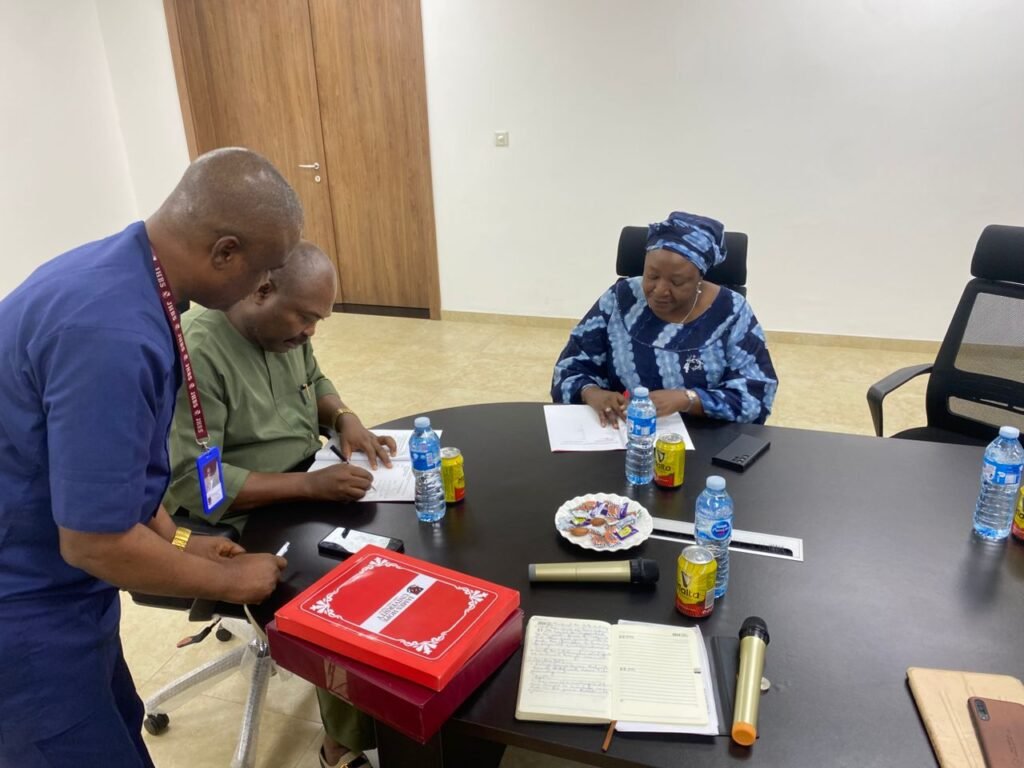
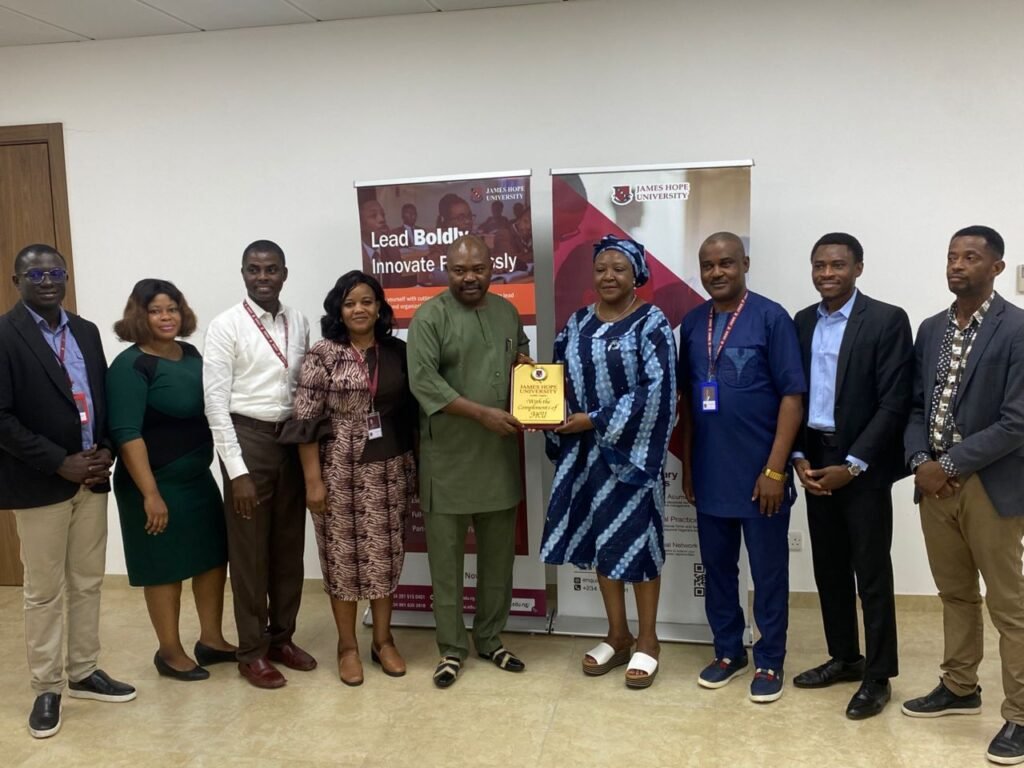
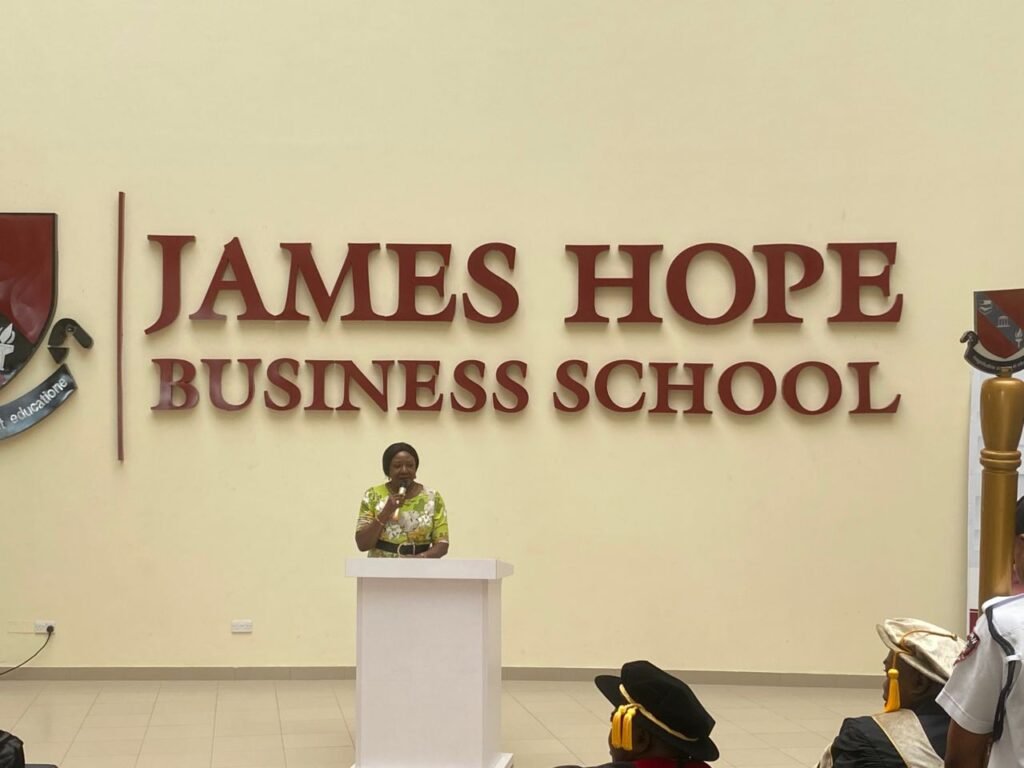
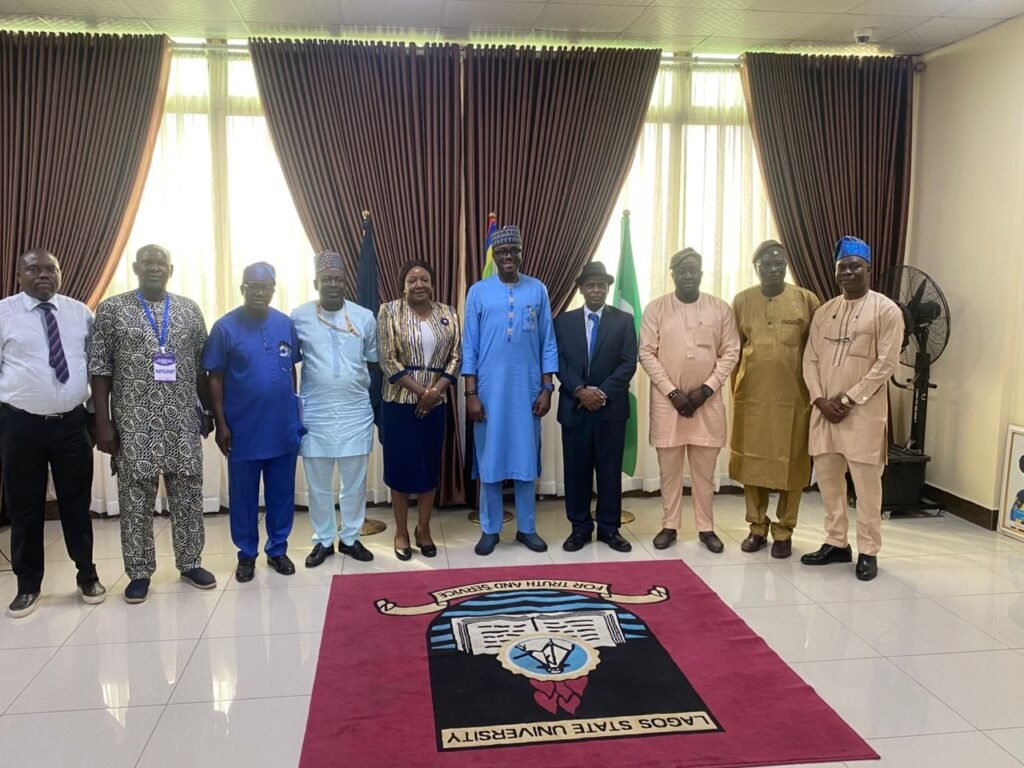
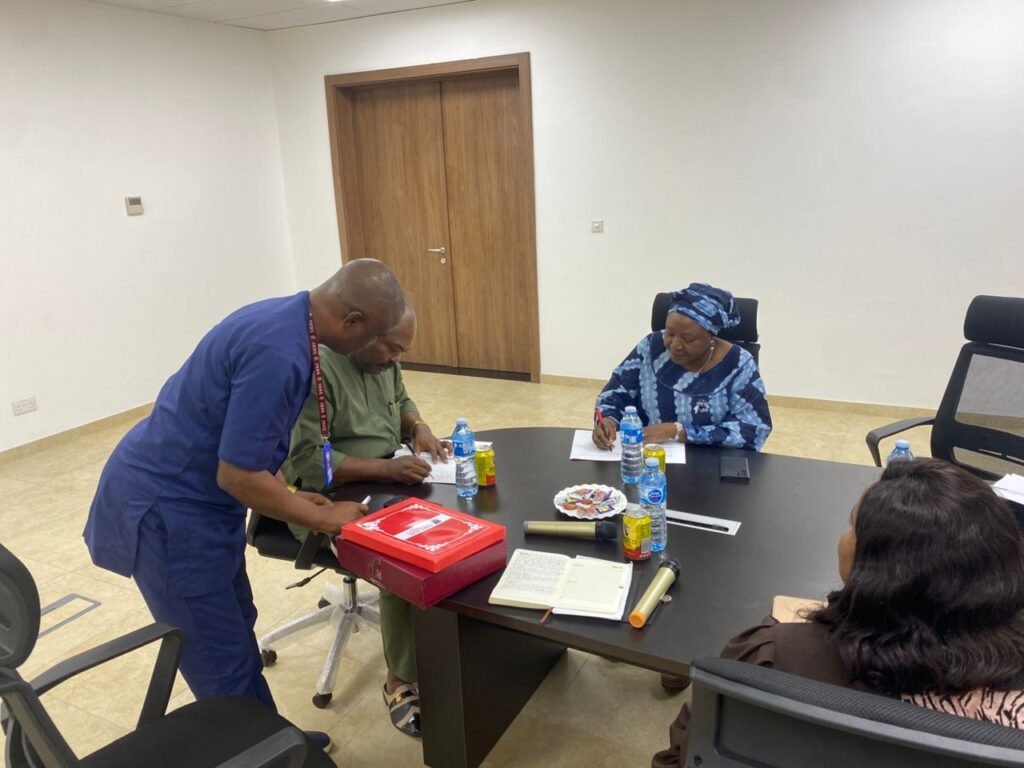
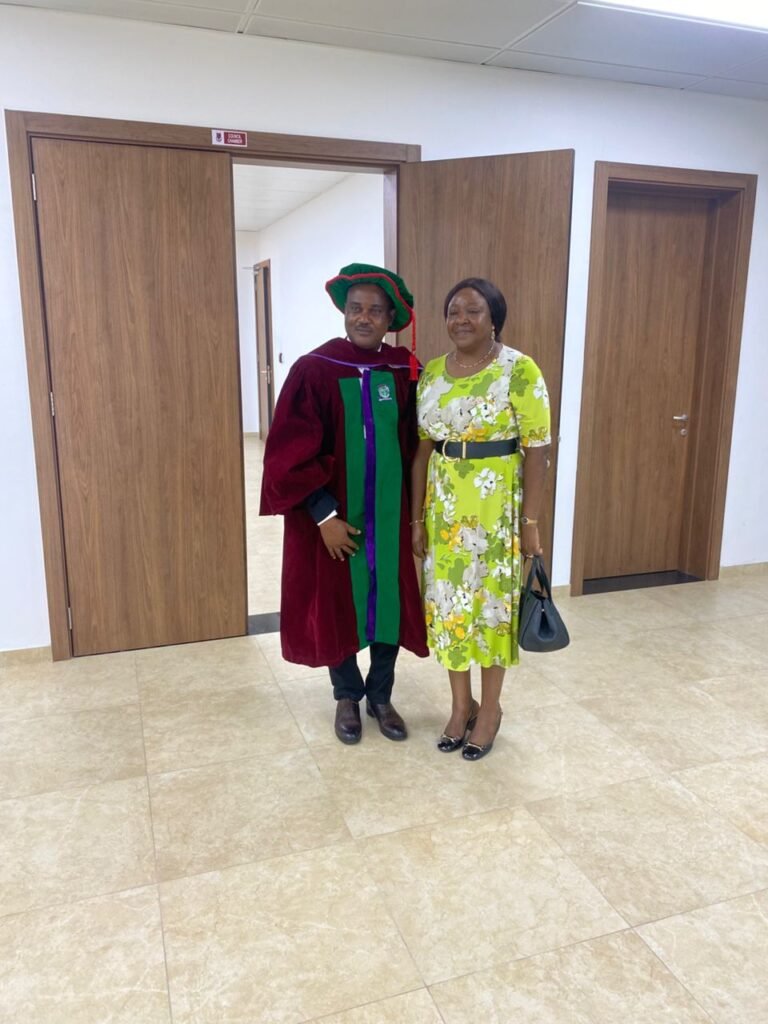
The Nigerian Institute of Social and Economic Research (NISER) has taken another significant step in advancing its mandate for evidence generation through policy research, with the signing of a Memorandum of Understanding (MoU) with James Hope University (JHU), Lagos. The agreement, formalised on Thursday, November 20, marks the beginning of a strategic partnership focused on joint research initiatives, academic exchange, and co-creation of knowledge across areas of shared interest.
The Director-General of NISER, Prof. Antonia Taiye Simbine, paid a working visit to the university, at which the MoU was signed. The Vice Chancellor of James Hope University, Prof. Austin Nosike, welcomed the partnership and highlighted its potential to enhance scholarly engagement. The five-year agreement provides a clear framework for cooperation, including the joint hosting of policy dialogues, conferences, seminars, and other knowledge-sharing platforms. These activities are expected to bring together researchers, policymakers, development practitioners, and private-sector actors to interrogate emerging governance and policy issues central to Nigeria’s development agenda.
Prof. Nosike also noted that the MoU does not confer financial or legal obligations on either party beyond what is expressly stated in the agreement. He explained that termination of the MoU can only occur in line with specific provisions outlined in the document and must be based on written communication by either party.
For NISER, the partnership reflects the Institute’s ongoing efforts to expand its research networks, strengthen knowledge co-production, and enhance its role as the Federal Government’s premier think tank on socio-economic issues. With this collaboration, both institutions are poised to leverage their respective strengths in research, training, and policy engagement to address complex national challenges and contribute meaningfully to Nigeria’s development trajectory.
Strengthening Qualitative Research Capacity: NISER Hosts NVivo Training for the Youth Futures Project
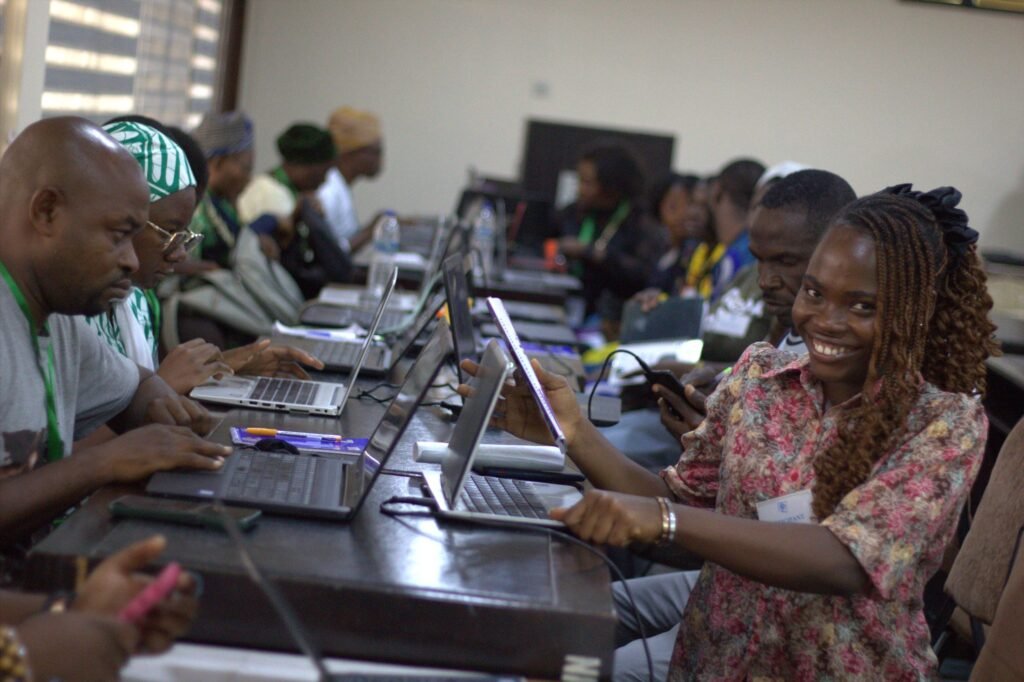
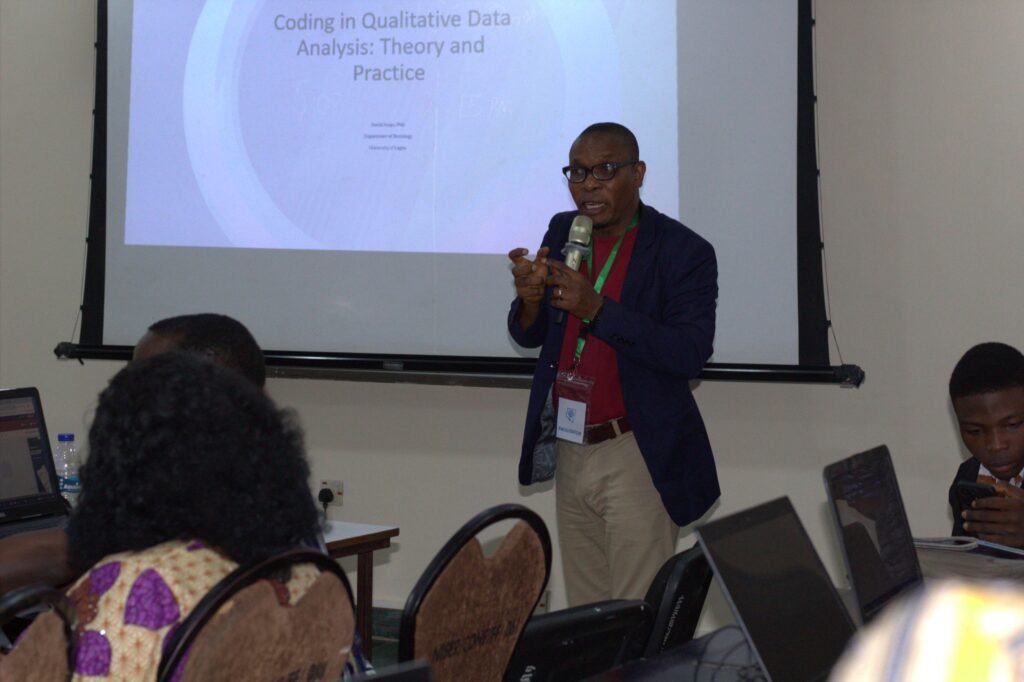
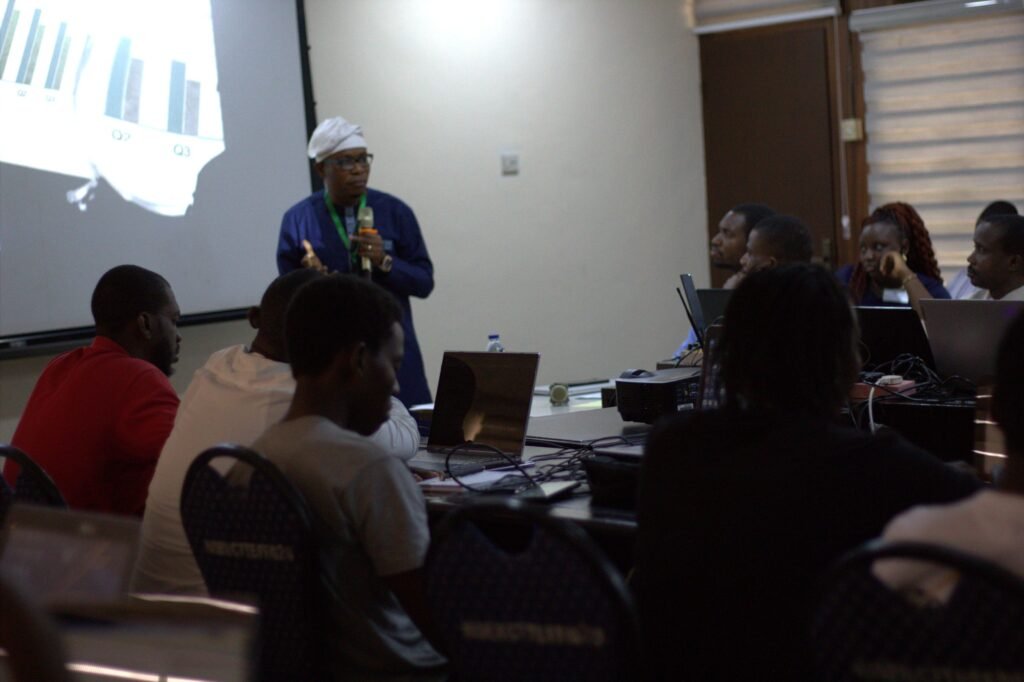

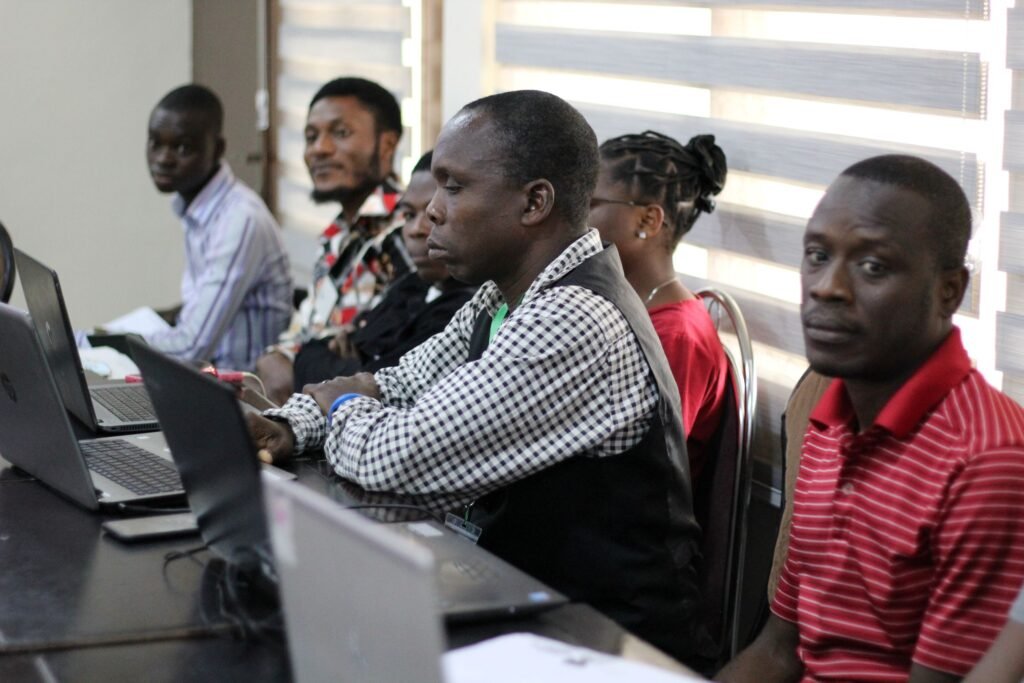

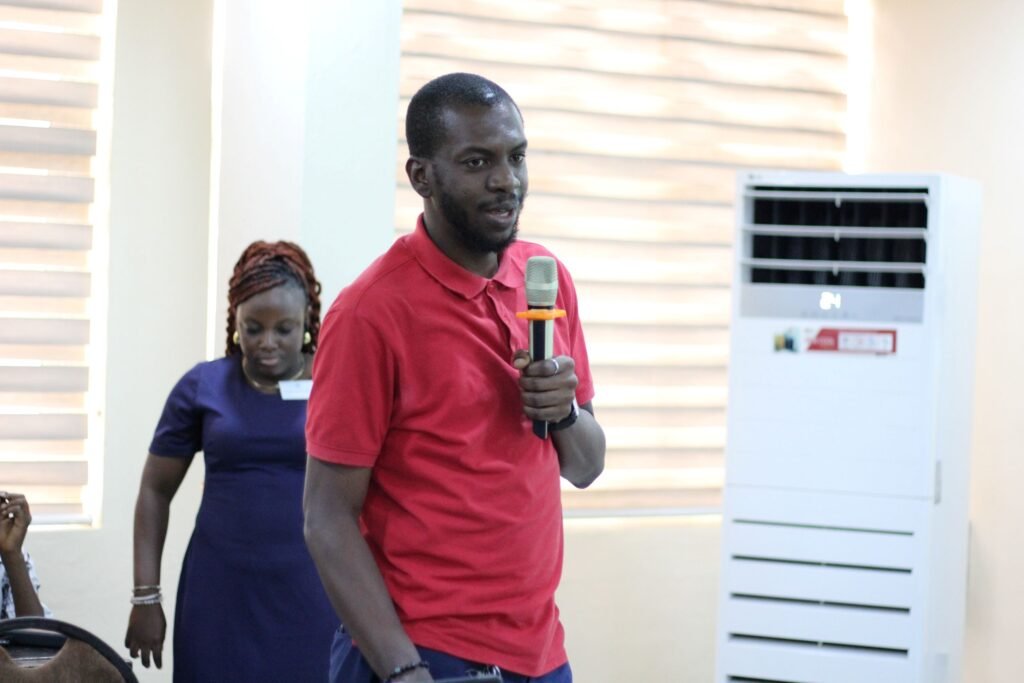
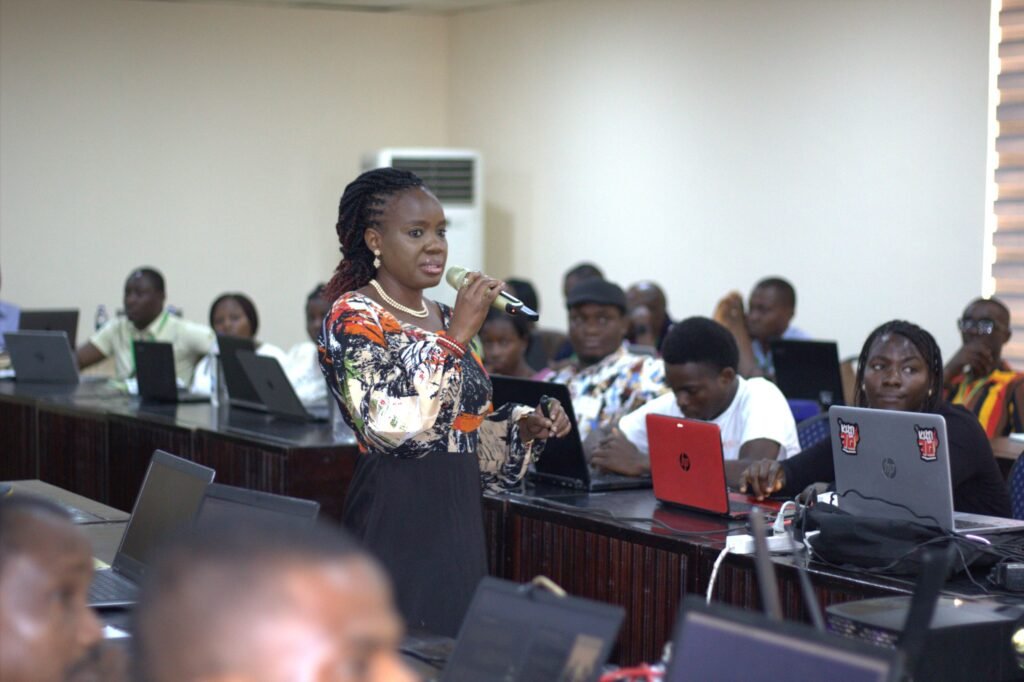
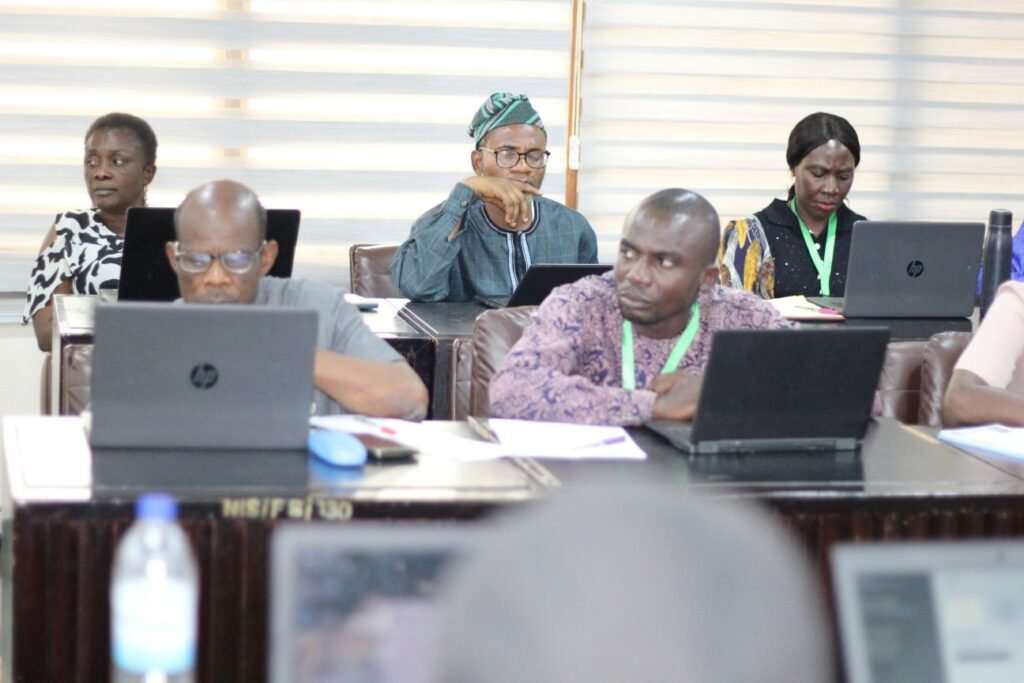

In a bid to enhance the qualitative research capability of its team, the Nigerian Institute of Social and Economic Research (NISER) recently organised a targeted training for researchers engaged in the Youth Futures in Dignified and Fulfilling Work in Africa Project. The session was designed to build proficiency in qualitative data analysis and the use of software tools such as NVivo, enabling the research team to extract meaningful insights from in-depth interviews and focus group discussions that were taken during the just-concluded field exercise.
The training occurred from October 24-26, 2025 and was facilitated by Dr David Akeju, a health systems management specialist and lecturer from the Department of Sociology, University of Lagos. Over the course of the 3-day training, he outlined and explained the forms of qualitative research and how they can be carried out effectively.
Participants were engaged in hands-on exercises based on real interview data obtained from the fieldwork and were given opportunities to practice coding transcripts, developing themes, and organising findings in NVivo.
Several participants described how the training bridged the gap between collecting qualitative data and translating it into relevant themes and narratives. Others highlighted how the technical skills freed them to focus more on the meaning behind the responses rather than getting bogged down in manual organisation.
With youth employment and enterprise being such a key dimension of the Youth Futures project, the richness of the qualitative data — in particular the voices of young entrepreneurs operating indigenous enterprises in informal settings — demands rigorous and coherent analysis. The training ensures that NISER’s outputs will not only capture the breadth of experience but also the depth of meaning: motivations, challenges, strategies, and aspirations embedded in the lived realities of young Nigerians.
Now that the training has concluded, the research team is poised to move into full-scale qualitative analysis. The next steps include finalising coding frameworks and completing systematic coding of all transcripts.
NISER remains committed to leveraging strong methodological foundations to ensure that the Youth Futures project delivers actionable knowledge — not just for researchers, but for policymakers, enterprise support actors, and perhaps most importantly, the young people whose futures we seek to understand and support in this study, funded by the Mastercard Foundation.
NISER DG Joins #WALKAWAYCANCER 2025 to Amplify Cancer Awareness and Action
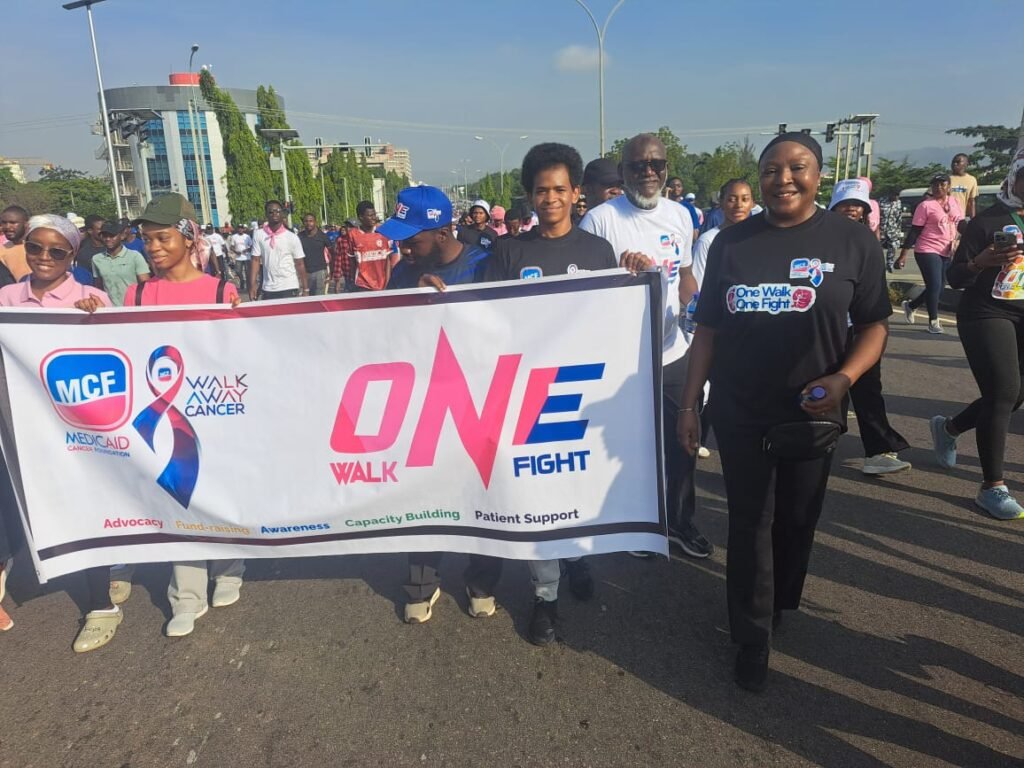
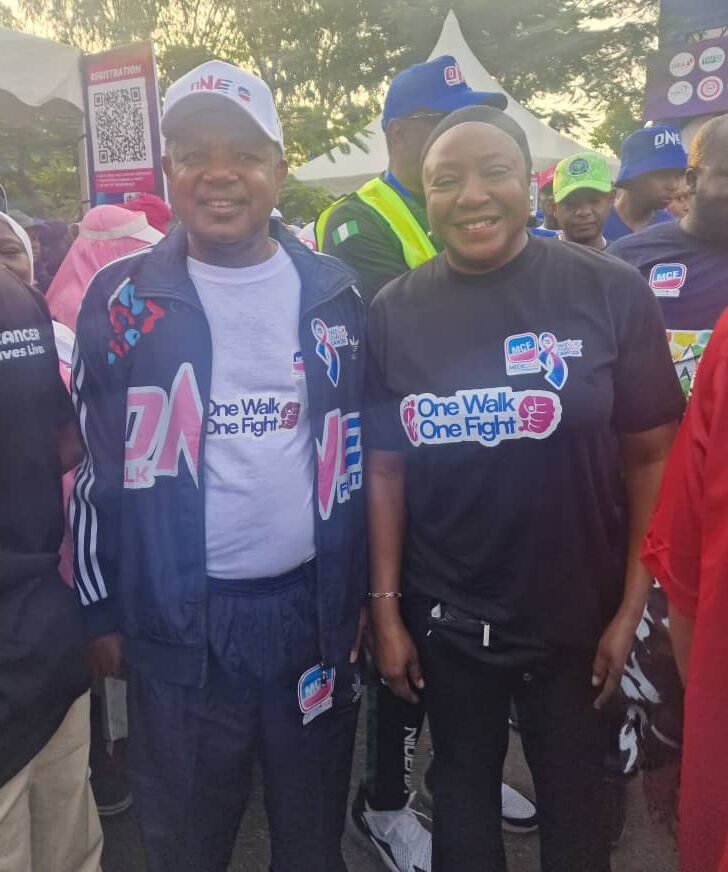
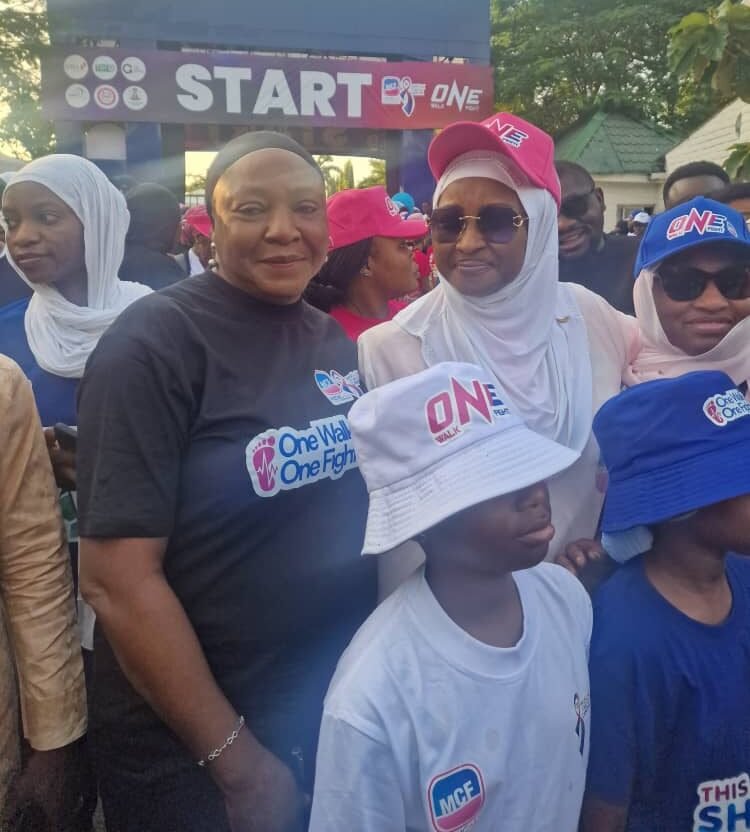
On Saturday, October 25th, 2025, the Nigerian Institute of Social and Economic Research (NISER) joined advocates and supporters of the Medicaid Cancer Foundation for the 11th anniversary of the #WALKAWAYCANCER campaign.
The event, led by Dr. Zainab Shinkafi Bagudu, wife of the Honourable Minister for Budget and Economic Planning, Senator Atiku Bagudu, brought together public officials, researchers, and health advocates to raise awareness about cancer prevention and control in Nigeria.
NISER’s Director-General, Prof. Antonia Simbine, represented the Institute at the walk, reaffirming NISER’s commitment to evidence-based policy research that contributes to public health and national development. Dr. Bagudu, who currently serves as President of the Union for International Cancer Control (UICC) (2024–2026), continues to lead global and national efforts to reduce the burden of cancer through advocacy, early detection, and improved access to care. UICC is the world’s oldest and largest membership organization dedicated to coordinated global action against cancer.
Cancer remains one of the leading causes of death worldwide, accounting for nearly 10 million deaths annually, according to the World Health Organization [1]. In Nigeria alone, estimates from the International Agency for Research on Cancer (IARC) suggest there were over 127,763 new cancer cases and nearly 80,000 deaths by 2022 [2]. Breast, cervical, and prostate cancers remain the most common, and late detection continues to be a major challenge.
A recent story shared by CNN’s Christiane Amanpour [3], who spoke candidly about her ongoing battle with ovarian cancer, underscores the importance of early detection and proactive health checks. Her message, that “early diagnosis saves lives,” resonates strongly with campaigns like #WalkAwayCancer.
As NISER joins the call to action, the Institute emphasizes the need for stronger research-policy linkages, public health education, and investment in preventive healthcare systems to address Nigeria’s growing cancer burden.
Further Reading
[1] World Health Organization (2025) Cancer: Fact Sheet. https://www.who.int/news-room/fact-sheets/detail/cancer
[2] International Agency for Research on Cancer (2025) Nigeria Fact Sheet. Global Cancer Observatory. https://gco.iarc.who.int/media/globocan/factsheets/populations/566-nigeria-fact-sheet.pdf
[3] CNN host Christiane Amanpour battling cancer again and urges people to ‘listen to their bodies’ https://www.independent.co.uk/news/world/americas/christiane-amanpour-cnn-ovarian-cancer-b2851561.html
NISER Hosts Inception Seminar and Orientation for Research Fellows
On Tuesday, October 22nd, 2025 at the Nigerian Institute of Social and Economic Research (NISER), Ibadan, the Institute hosted an engaging inception seminar for Professor Gbenga Sunmola, who joins NISER as a Sabbatical Fellow.
Prof. Sunmola presented a paper titled “Intimate Partner Violence (IPV) in Nigeria: Patterns, Impacts, and Policy Influence.” The presentation offered a rich, evidence-based discussion on the dynamics of IPV in Nigeria, its social implications, and pathways for effective policy response. The seminar featured an interactive session, where NISER researchers shared feedback, posed questions, and exchanged ideas for deepening research on gender and social policy.
Following the seminar, an orientation programme for newly appointed post-doctoral fellows was held. The session, led by Prof. Adeoti, provided the fellows with guidance on the Institute’s research culture and expectations. He emphasized the hallmarks of scholarship, mentorship, and professionalism that underpin NISER’s mission of producing quality, policy-relevant research. The new fellows also had opportunities to engage and share their expectations.
In her address, the Director-General of NISER, Prof. Antonia Taiye Simbine, commended the growing community of researchers within the Institute. She provided an overview of the 2025 research programme, highlighting ongoing research projects, institutional collaborations, and upcoming partnerships aimed at advancing Nigeria’s social and economic development agenda.
The day’s activities reflected NISER’s commitment to fostering a vibrant research community, promoting mentorship, and strengthening evidence-based policy dialogue in Nigeria.
NISER Hosts Vice Chancellor and Delegation from James Hope University
On Friday, October 17th, the Vice-Chancellor, Prof. Austin Nosike, and select delegates from James Hope University paid a courtesy visit to NISER. They were received by the Director-General, Prof. Antonia Simbine, and some members of the research staff at NISER.
Discussions addressed potential opportunities for collaboration, faculty exchanges, and possible areas for partnership in economic development, policy analysis, innovation, intrapreneurship and entrepreneurship.
The NISER community appreciates the visit and looks forward to further engagements with James Hope University.
NISER Researchers Engage Youth Indigenous Entrepreneurs Across Nigeria
In September 2025, researchers at the Nigerian Institute of Social and Economic Research (NISER) embarked on a nationwide fieldwork exercise under the Mastercard Foundation-funded ‘Youth Futures in Dignified and Fulfilling Work in Africa’ Project. The project forms part of a multi-country research initiative that explores how young people in Africa navigate work and enterprise within changing economic landscapes.
The Nigerian component of the study focused on indigenous enterprises, locally rooted, often informal businesses where innovation, creativity, and resilience intersect with traditional knowledge and community networks.
During the fieldwork, NISER researchers conducted focus group discussions and in-depth interviews with youth entrepreneurs operating in diverse sectors such as agro-enterprises, textiles, craft production, and beauty and cosmetics. The team also held key informant interviews with representatives of relevant government ministries, departments, and agencies (MDAs), as well as informal training centres, incubation hubs, and educational institutions that play active roles in supporting youth employment and enterprise development in Nigeria. The scope of the study covered a total of 20 locations: three states in each of the country’s six geopolitical zones, Lagos (Nigeria’s commercial capital), and the Federal Capital Territory.
This phase of the study provided rich opportunities to hear directly from young entrepreneurs about their motivations, aspirations, and lived experiences in building and sustaining enterprises. Participants shared insights into the social dynamics shaping their work, the structural challenges they face — from access to finance and markets to regulatory barriers — and the innovative strategies they adopt to stay competitive in a rapidly changing economy.
As the fieldwork phase concludes, NISER’s research team is now analysing the wealth of qualitative data collected to identify key themes and policy-relevant insights for the ongoing study. Findings from this study will contribute to a broader understanding of how to create dignified and fulfilling work opportunities for Africa’s youth, while strengthening local capacities for innovation and sustainable development.
How can we help you?
Contact us at the NISER office nearest to you or submit an inquiry online.
