NISER Partners with ISSER to Launch Multi-Country Study on Youth Futures in Indigenous Enterprises
On Tuesday, July 29th, the Nigerian Institute of Social and Economic Research (NISER), in collaboration with the Institute of Statistical, Social and Economic Research (ISSER), Ghana, hosted a high-level stakeholder engagement event at its headquarters in Ibadan. The programme forms part of a Mastercard Foundation-funded, multi-country study on Youth Futures in Dignified and Fulfilling Work in Africa, with particular focus on the sub-theme- Indigenous enterprises within the informal economy. This sub-theme has ISSER, Ghana as the project lead.
The project spans six African countries—Ghana, Senegal, Kenya, Ethiopia, Uganda, Ruwanda and Nigeria—and seeks to deepen understanding of youth participation in specific indigenous enterprise sectors- beauty and cosmetics, textiles, agro-based enterprises, and crafts. The Nigerian component of the project is being implemented by the Nigerian Institute of Social & Economic Research (NISER). Other country level implementing partners include:
Ethiopia: Policy Studies Institute (PSI)
Senegal: Institut Sénégalais de Recherches Agricoles/Bureau d’analyses Macro-Economiques (ISRA BAME)
Rwanda: African Development Consultant (ADC)
Uganda: Uganda Development Trust (UDET)
Kenya: International Centre for Evaluation and Development (ICED)
Introducing the Study to Key Nigerian Stakeholders
The objective of the workshop was to formally introduce the study to relevant stakeholders at institutional, sectoral and operational level. These include federal and state level MDAs, private organizations, enterprise support organizations, accelerators, incubators and technology providers. The gathering offered a platform to share the scope of the study, elicit feedback, and foster stakeholder collaboration.
In her opening remarks, Professor Antonia Taiye Simbine, Director-General of NISER, underscored the vital role that informal enterprises play in Nigeria’s economy. She described them as “spaces where innovation, resilience, and cultural expression thrive,” and emphasized the importance of engaging local stakeholders in shaping the study’s data collection approach to ensure it is inclusive, participatory, and rooted in local context.
Prof. Simbine also expressed optimism about the workshop’s potential to lay the foundation for long-term partnerships during the course of the study
Context and Scope of the Study
Dr. Tolulope Jerumeh, the technical lead for the NISER research team, provided an overview of the study’s design and objectives. She explained that the research targets African youth aged 18 to 35 who are engaged in indigenous enterprises, specifically within informal settings. Nigeria’s leg of the study will cover all six geopolitical zones and the Federal Capital Territory (FCT), using a mixed-methods approach that combines both quantitative and qualitative data.
According to Dr. Jerumeh, the study will leverage primary and secondary data to explore youth aspirations, barriers to sustainable livelihoods, and opportunities for dignified work in the indigenous enterprises of interest.
Stakeholder Roles and Feedback
Following the study overview, Dr. Segun Awode outlined the anticipated roles and contributions of stakeholders, including policymakers, youth organizations, industry leaders, and sectoral experts. His presentation highlighted the value of cross-sectoral collaboration in generating insights that are not only academically robust but also actionable.
The workshop concluded with a lively interactive session, during which participants posed questions and offered suggestions on areas where they could support the project. These included collaboration in field data collection, stakeholder mapping, sector-specific insights, and knowledge dissemination.
A Step Toward Inclusive Policy and Youth Empowerment
The successful hosting of this stakeholder workshop reinforces NISER’s commitment to producing research that is relevant, participatory, and policy-driven. The Institute looks forward to contributing to the broader continental conversation on youth employment and to collaborating with ISSER and other country level implementing partners in charting a pathway to dignified and fulfilling work for Africa’s youth.
Enhancing Research Capacity: NISER Hosts Training on R Software for Researchers


The Nigerian Institute of Social and Economic Research (NISER) took a significant step forward in enhancing its research capabilities this week. From May 27-28, the Research Management Department organized an intensive 2-day training workshop focused on R Software applications for data analysis.
This strategic training initiative emerged from NISER’s commitment to maintaining cutting-edge research standards. The workshop addressed three critical needs within the research community:
Evolving Research Landscape: As research methodologies continue to advance, particularly in big data analytics, traditional software tools like SPSS, E-Views, and Stata sometimes fall short of handling complex, multi-dimensional datasets that modern policy research demands.
Growing Industry Adoption: The social sciences have witnessed an increasing trend toward R Software adoption, with researchers achieving more sophisticated analyses and deeper insights from their data. NISER recognized the importance of aligning with this global shift.
Institutional Learning: Building on the success of the April 2024 research methodology training and insights from the 2024 Team Research Projects (TRPs) and Individual Research Projects (IRPs), the institute identified a clear need to strengthen its researchers’ technical capabilities.
The workshop was expertly facilitated by Dr. Peter Ogundunmade from the Department of Statistics at the University of Ibadan. Drawing from his extensive experience with R Software and RStudio, Dr. Ogundunmade guided NISER researchers through:
- Data Manipulation Techniques: Essential skills for preparing and organizing research data
- Exploratory Data Analysis: Methods for understanding data patterns and relationships
- Univariate Analysis: Statistical techniques for single-variable examination
- Advanced Statistical Methods: Comprehensive approaches to complex data analysis
The training emphasized practical application through hands-on exercises, ensuring researchers could immediately apply their new skills. Participants gained firsthand experience with R’s versatile applications and learned to integrate these powerful tools into their ongoing research projects.
This investment in technical training reflects NISER’s dedication to producing high-quality, methodologically sound research that can inform Nigeria’s development policies. By equipping researchers with advanced analytical tools, the institute seeks to strengthen its capacity to tackle complex socio-economic challenges and contribute meaningful insights to national development discourse.
The workshop represents another milestone in NISER’s continuous effort to blend traditional research excellence with modern technological capabilities, ensuring its research remains relevant, rigorous, and impactful in today’s data-driven world.
Research Futures Seminar Explores Ethical AI Use in Research at NISER
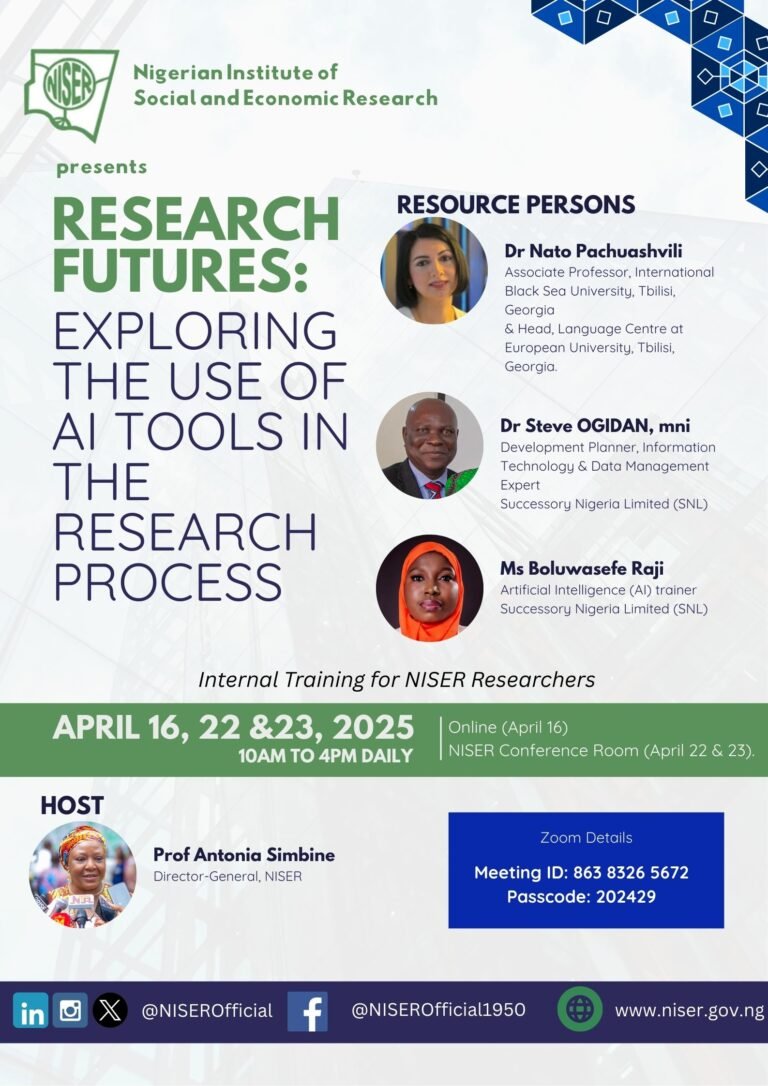
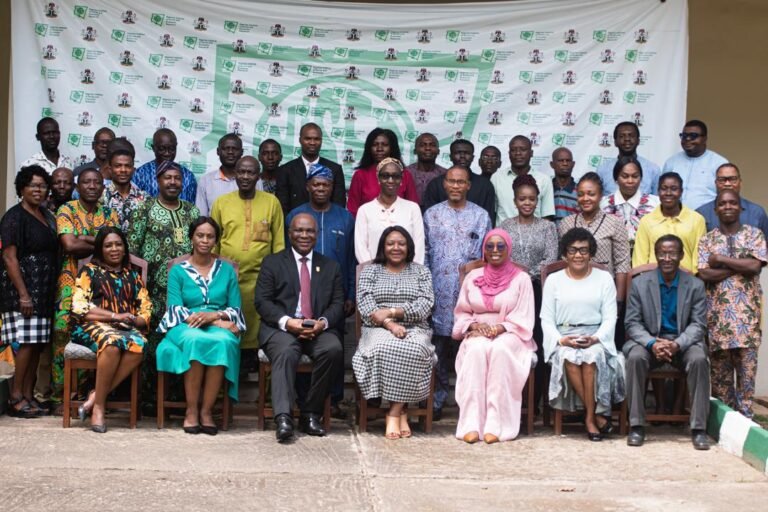
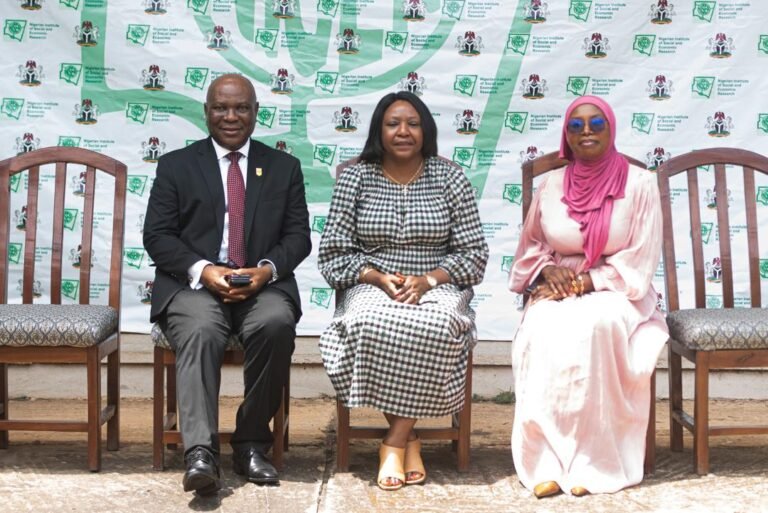


Research Futures Seminar Explores Ethical AI Use in Research at NISER
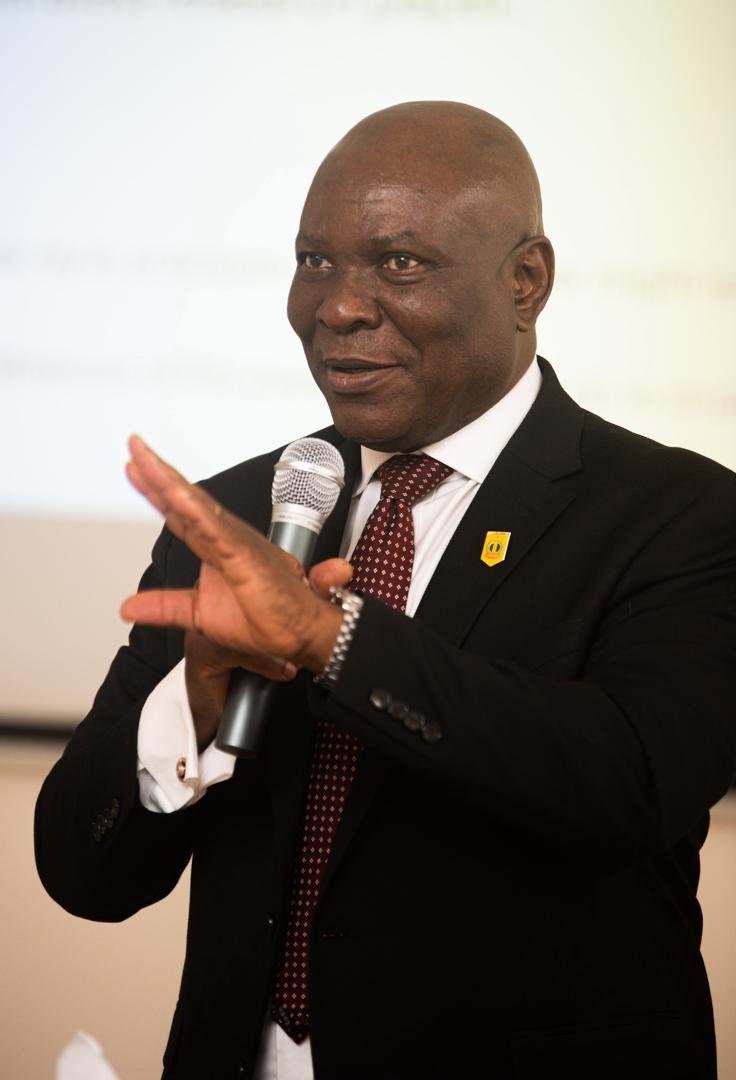
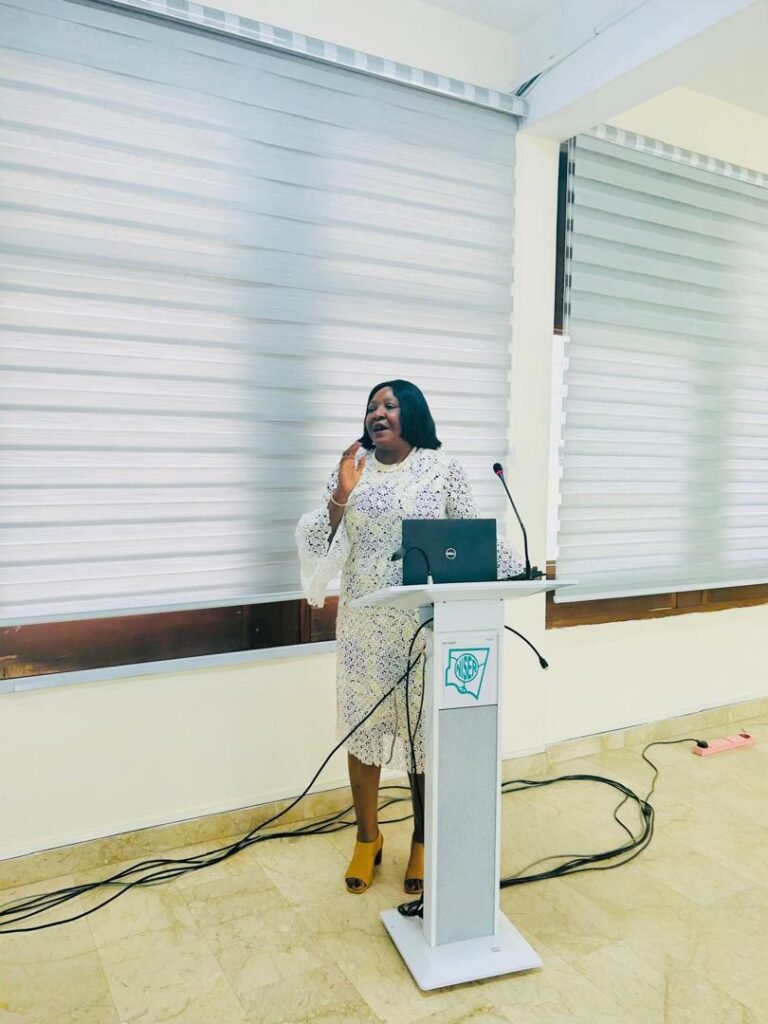
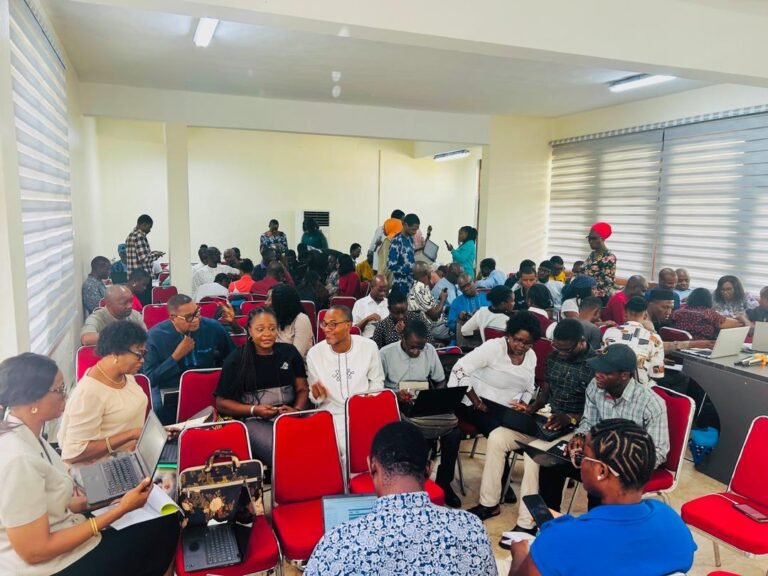
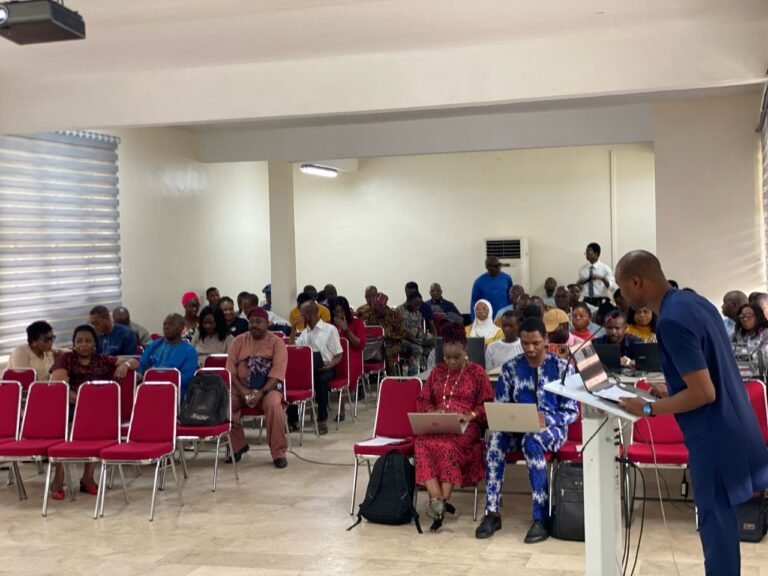
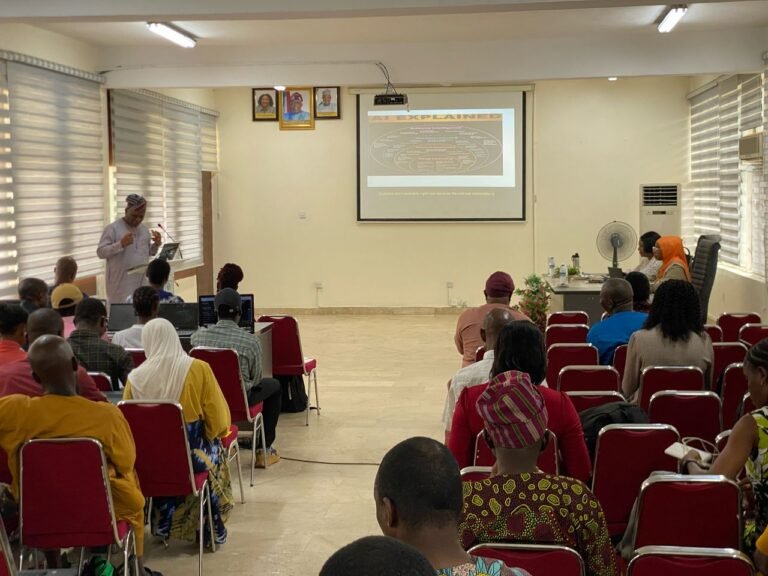
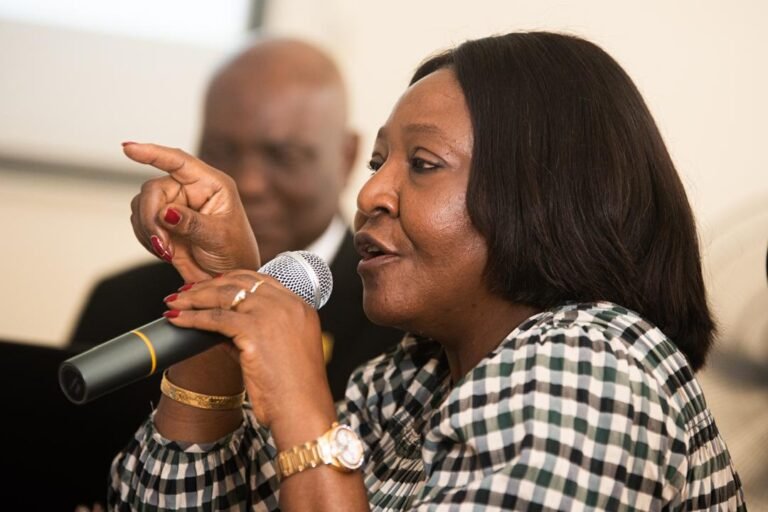
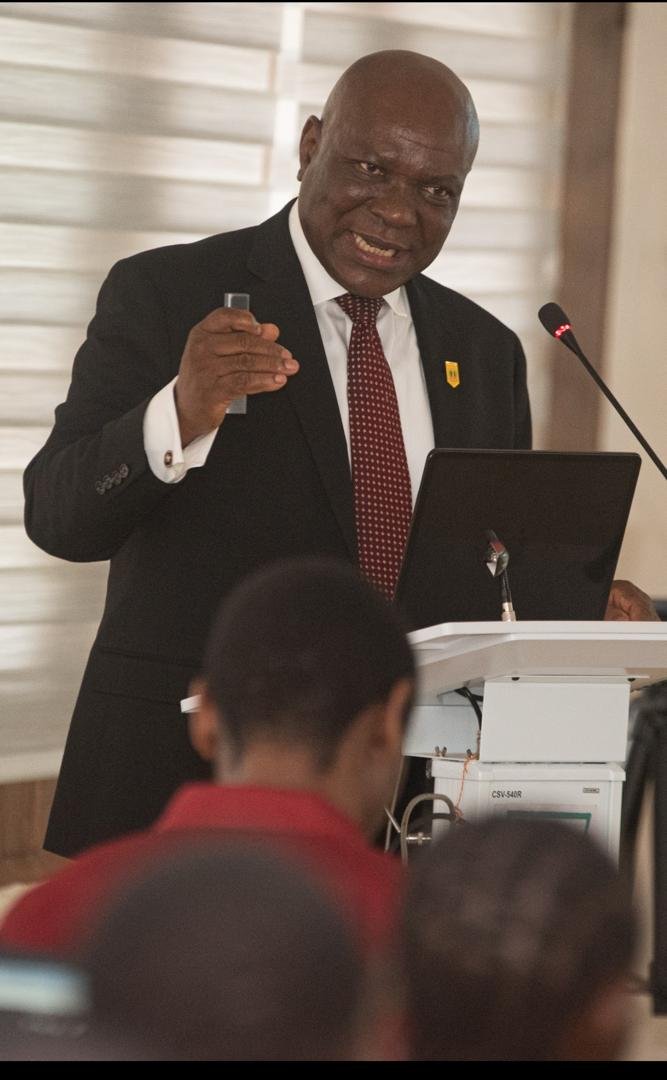
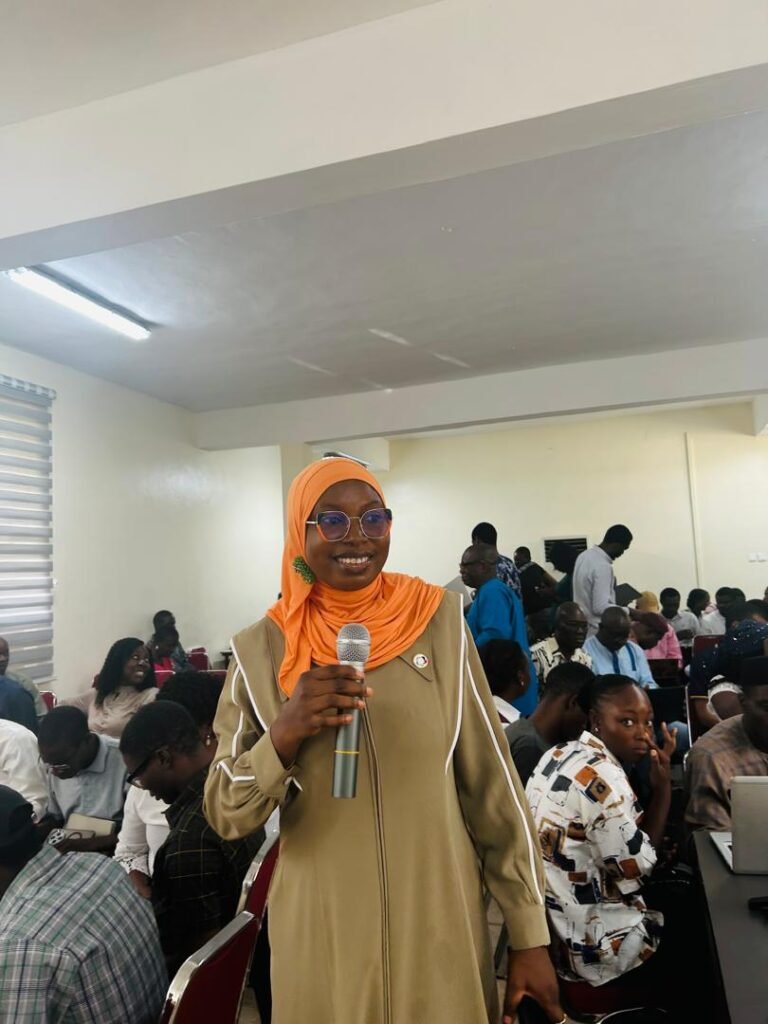
In a forward-looking effort to equip its research staff with critical digital skills, the Nigerian Institute of Social and Economic Research (NISER) hosted a comprehensive two-day seminar titled “Research Futures: Balancing Original Thinking with the Use of AI Tools” from April 22–23, 2025.
The first installment of the seminar was held on April 16th and led by Dr Nato Pachuashvili (Associate Professor, International Black Sea University, Tbilisi, Georgia; & Head, Language Centre at European University, Tbilisi, Georgia). In an intensive session, she took NISER researchers through the uses, platforms and opportunities that artificial intelligence provides for researchers in their everyday tasks and research work.
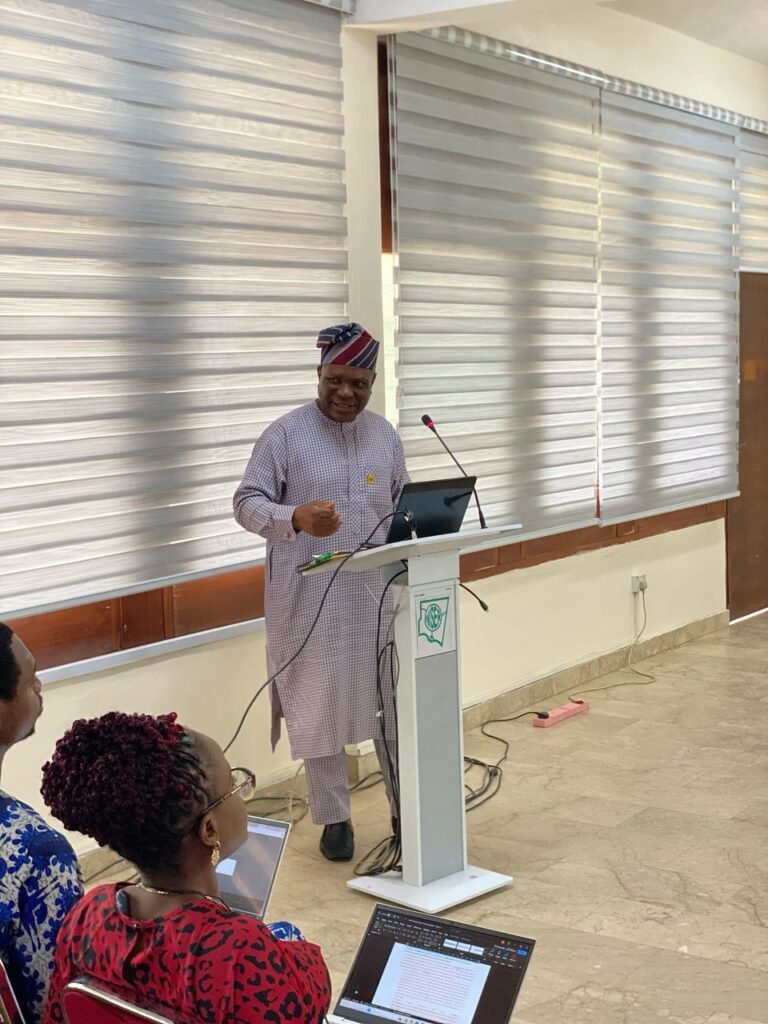
The second installment of the seminar series, held on April 22nd and 23rd, at the NISER Conference Room in Ibadan, was facilitated by Successory Nigeria Ltd and led by renowned expert Dr. Steve Ogidan, with co-facilitation by Ms. Boluwasefe Raji.
The training aimed to demystify artificial intelligence (AI) tools and guide researchers on their effective and ethical application in academic work. Key sessions addressed foundational AI concepts, the risks of bias and overreliance, ethical considerations, and prompt engineering techniques. Through interactive practical sessions, participants explored AI tools such as Claude AI, Jenni, Scispace, Perplexity, and Copilot, learning how to apply them in real research scenarios including literature review, data synthesis, and project design.
Notably, the seminar emphasized that while AI can enhance productivity and creativity, it must not replace critical thinking or originality. Discussions also examined the emerging policy landscape surrounding AI use, referencing frameworks such as Nigeria’s National AI Strategy and international best practices.
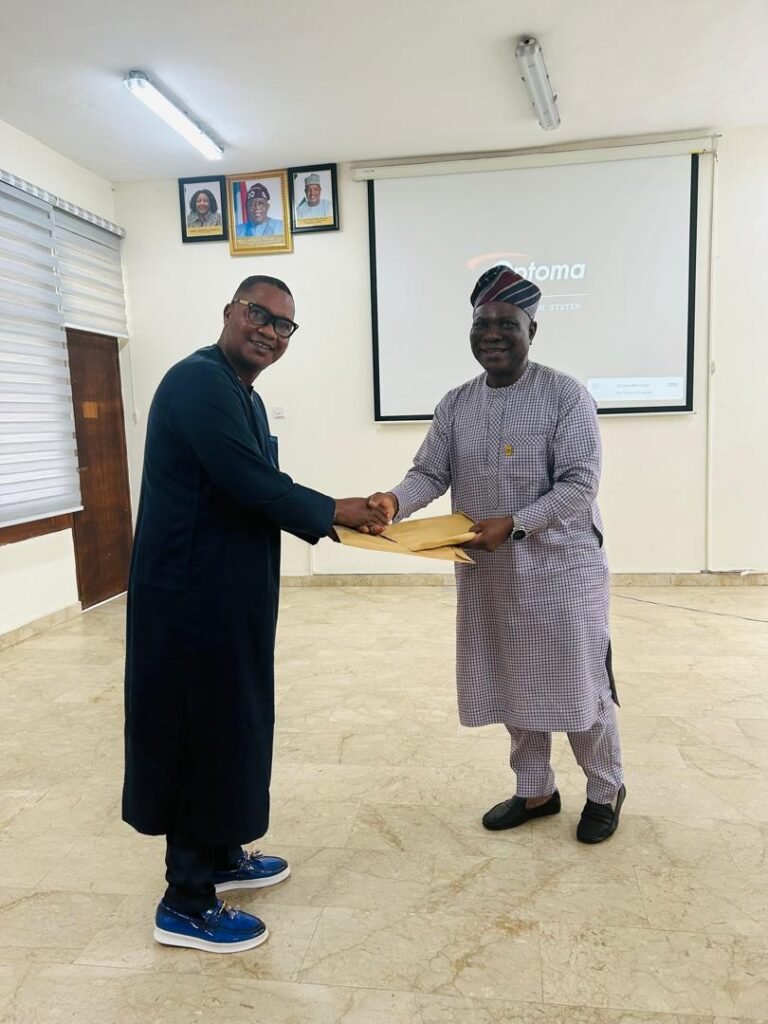
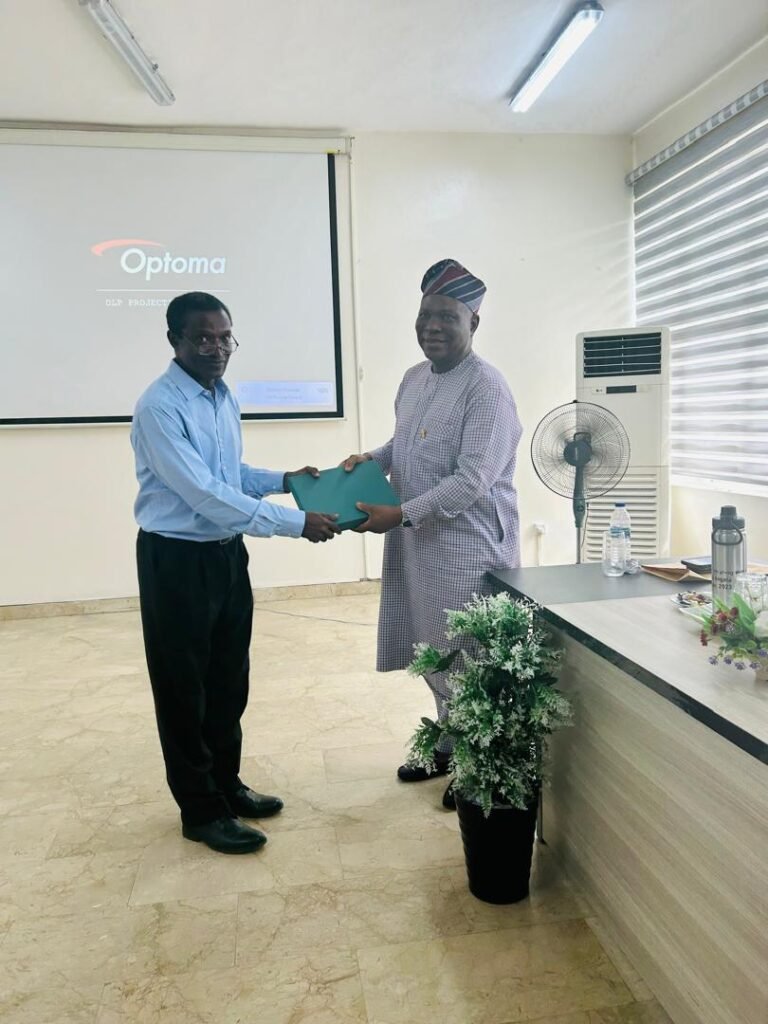
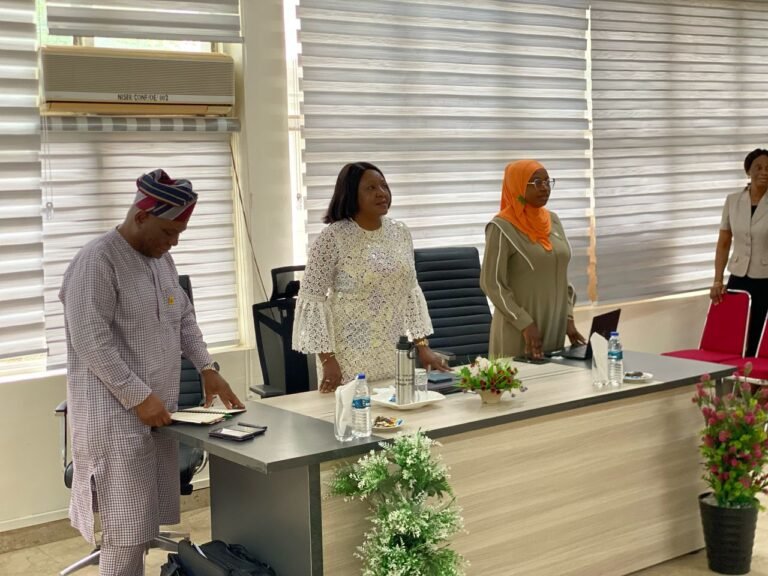
The Director-General of NISER, who actively participated throughout the seminar, encouraged responsible adoption of AI, underscoring its potential to transform research quality and timeliness when used judiciously. The event concluded with the presentation of appreciation gifts to the facilitators and a renewed commitment to integrate AI ethics and innovation into NISER’s research culture.
NISER Hosts NESG for Presentation of 2025 Macroeconomic Outlook





NISER Hosts NESG for Presentation of 2025 Macroeconomic Outlook
On April 15, 2025, the Nigerian Institute of Social and Economic Research (NISER) welcomed a delegation from the Nigerian Economic Summit Group (NESG) to its Ibadan headquarters for the presentation of the 2025 Macroeconomic Outlook Report.
The visit offered a valuable platform for robust exchange. NESG’s presentation delved into critical insights on Nigeria’s economic trajectory, highlighting key drivers of growth, and fiscal pressures.
The engagement provided an opportunity to contribute to the findings in the report, and to explore ways of further collaboration between the two organizations.
Highlights from the NISER-NES Seminar on the Impact of the 2025 Budget on the Business and Economic Sectors
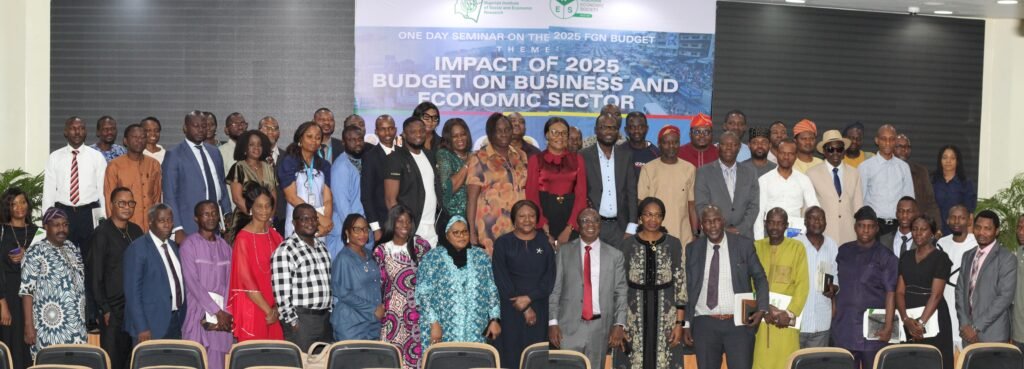
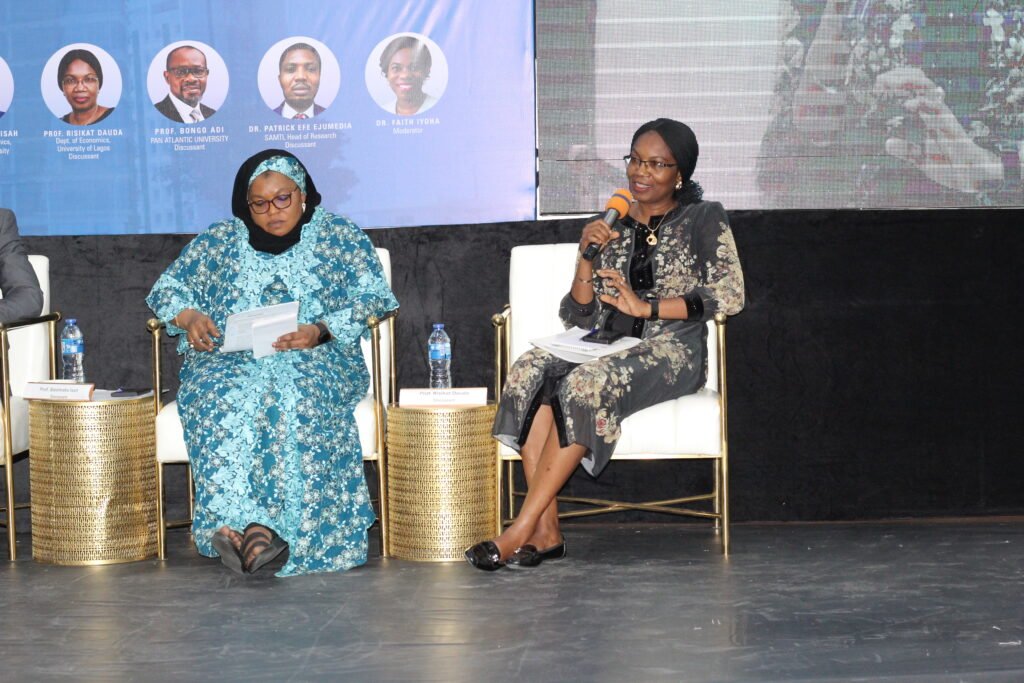
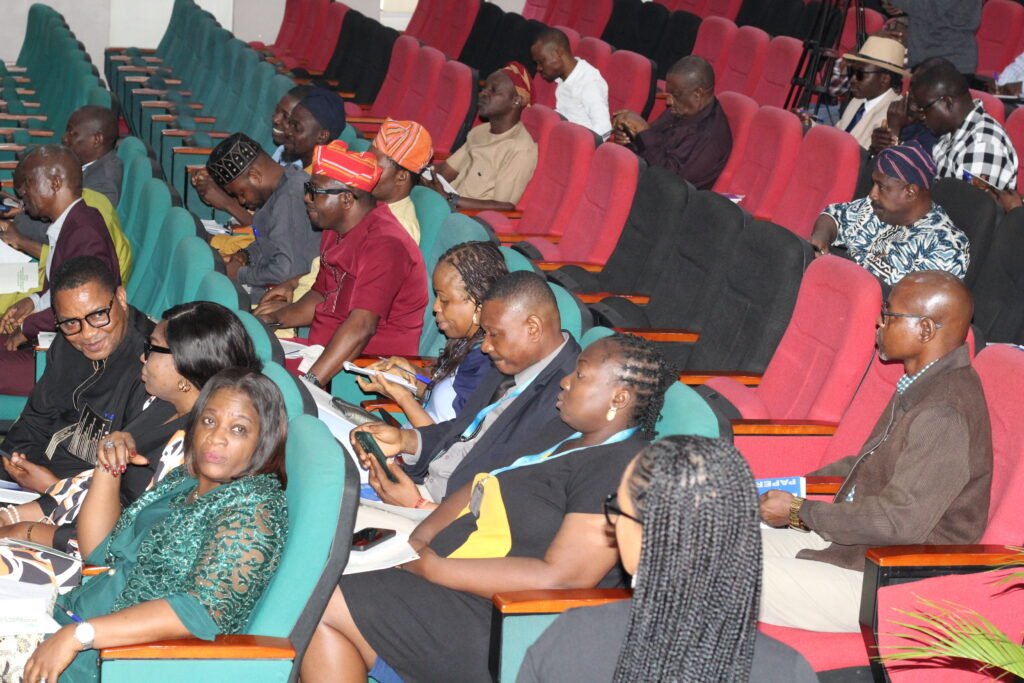
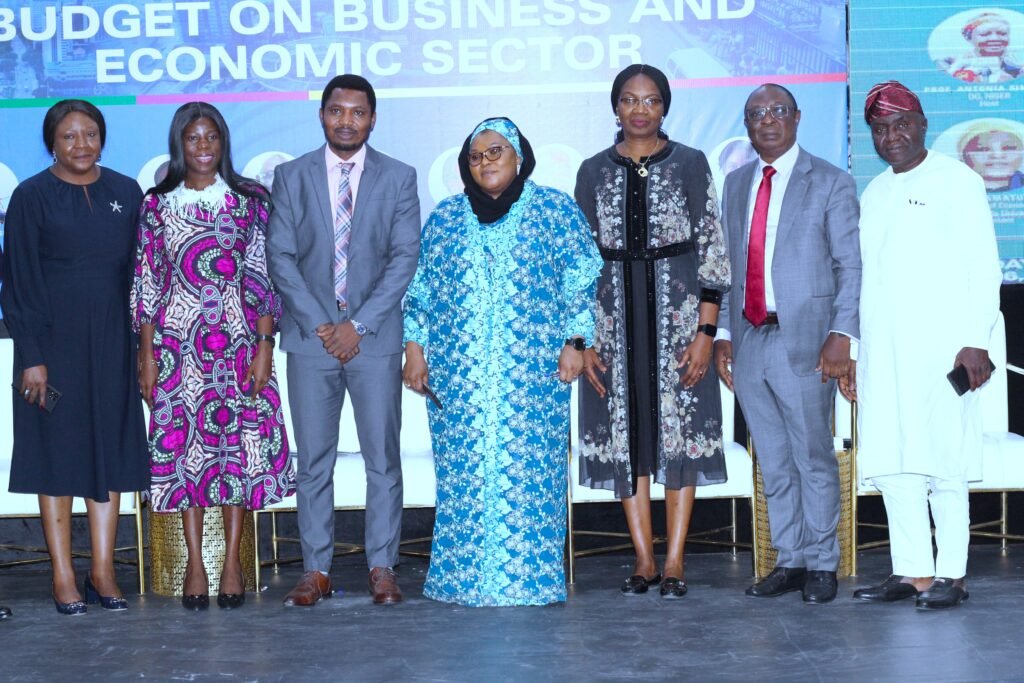
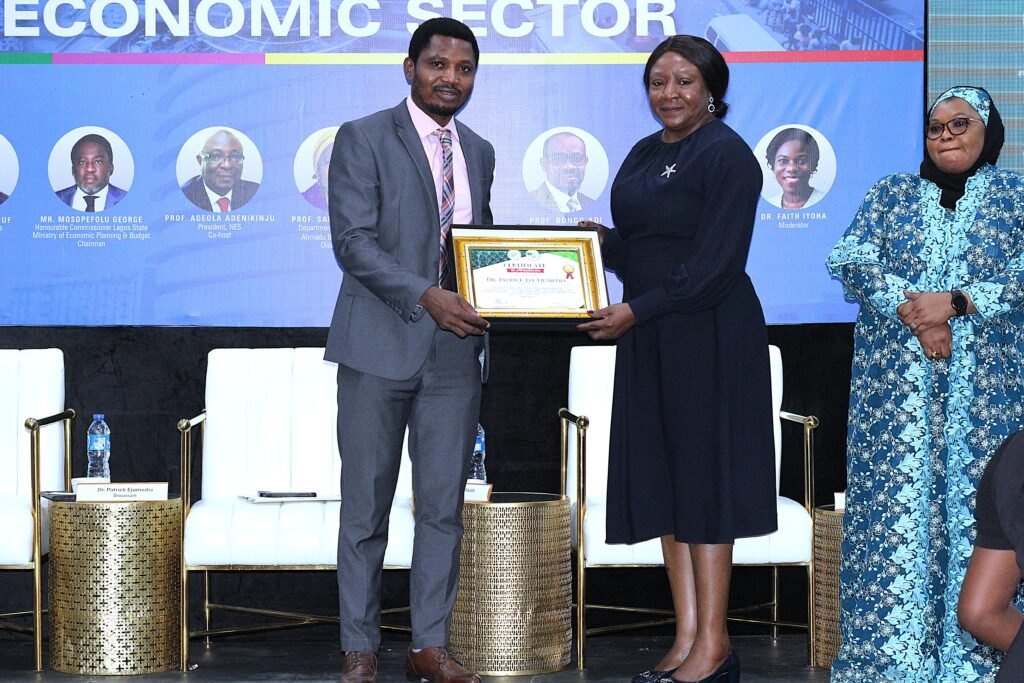
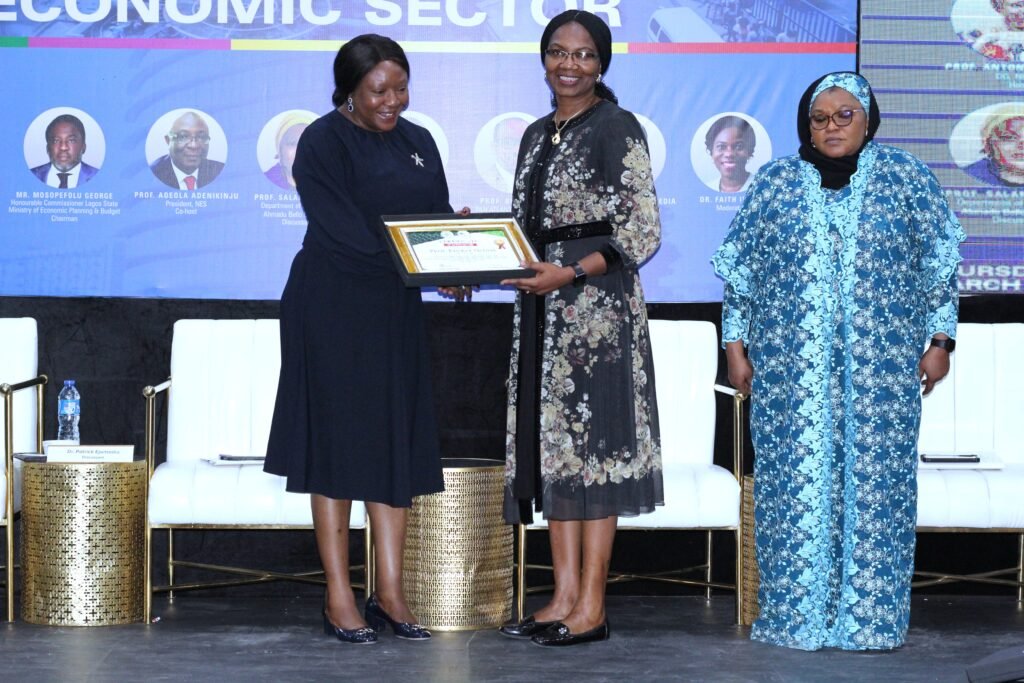
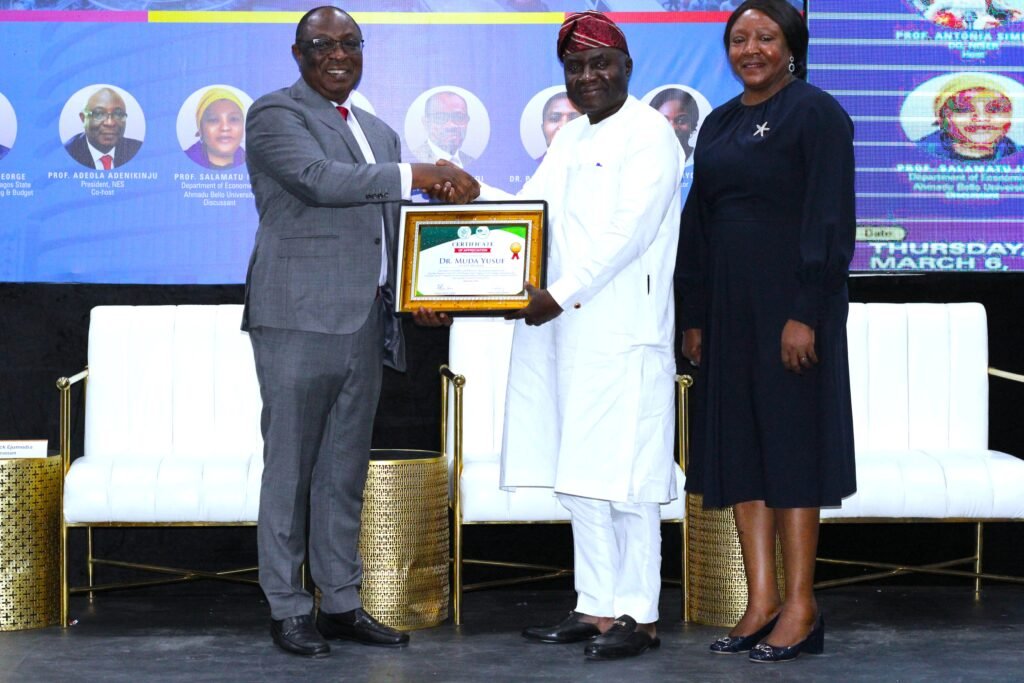
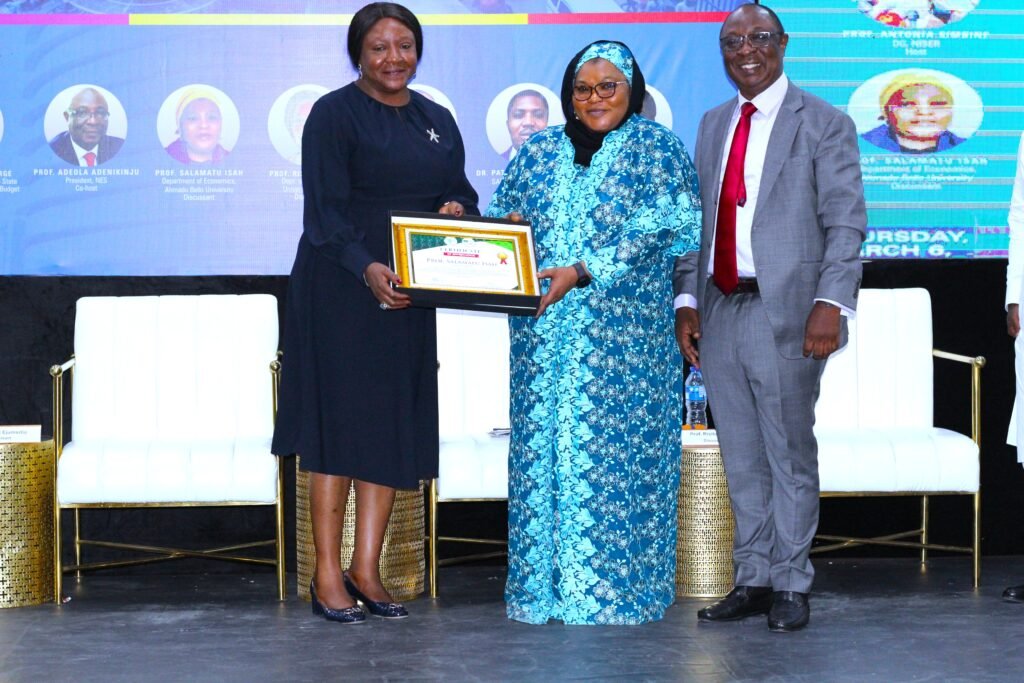
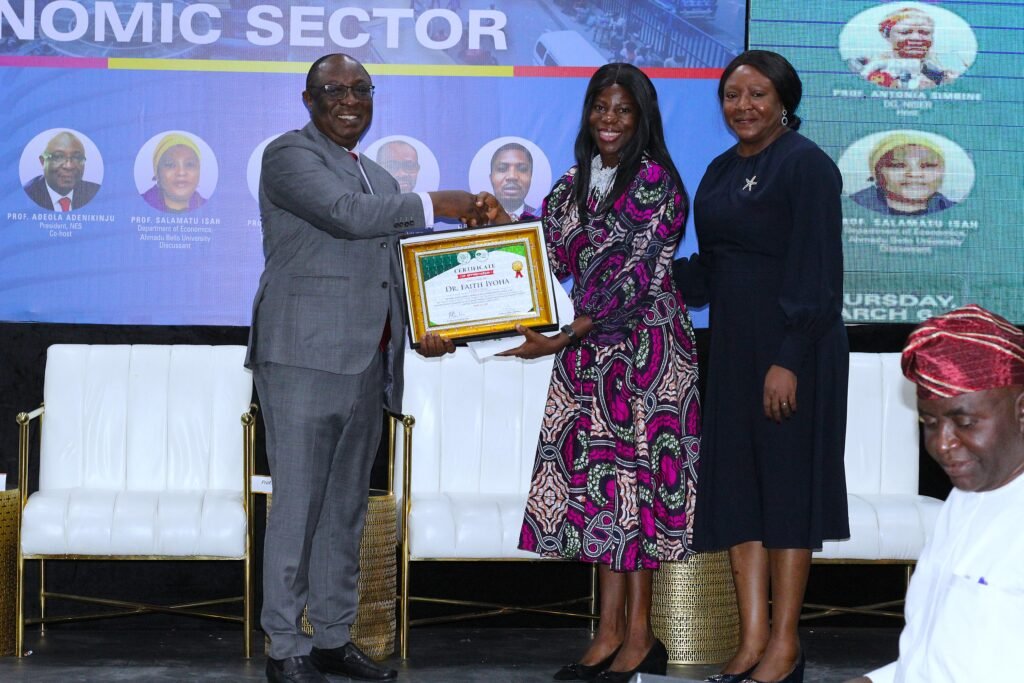
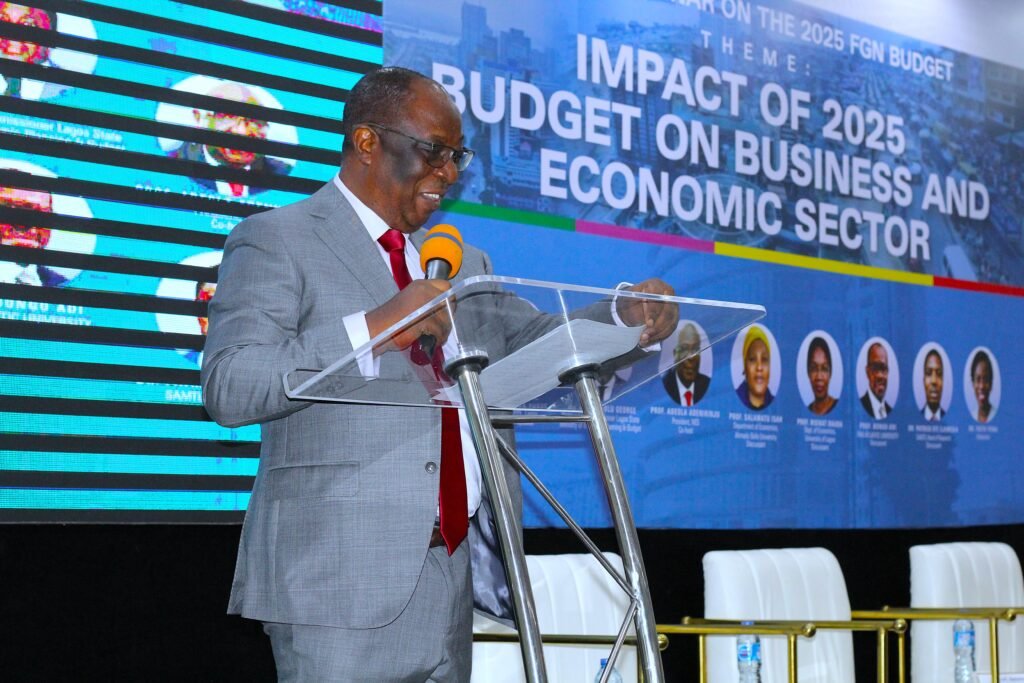
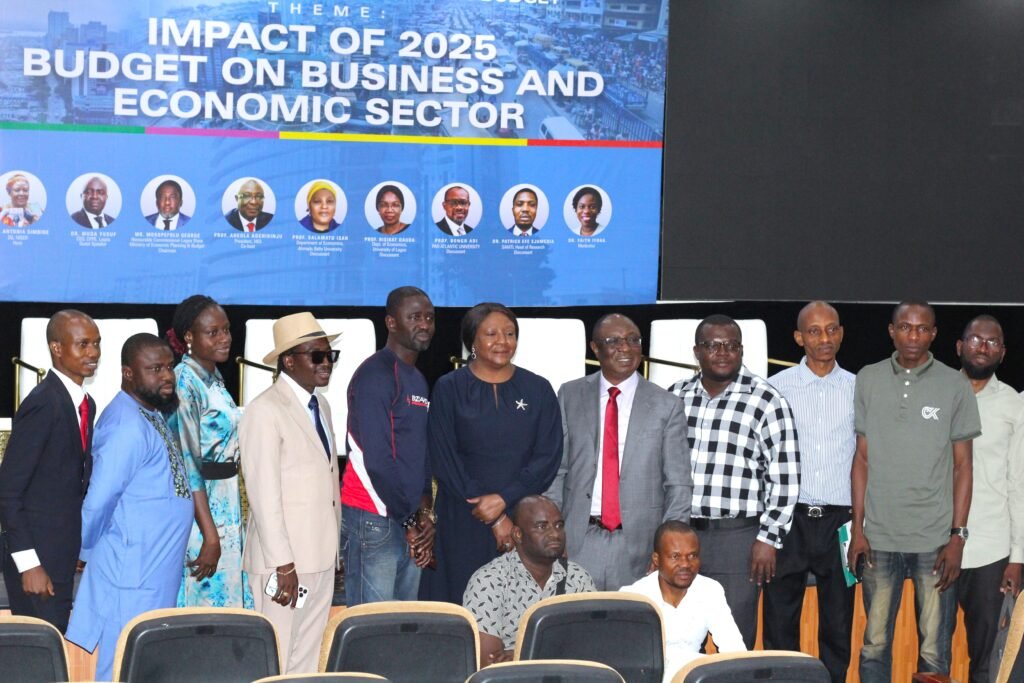

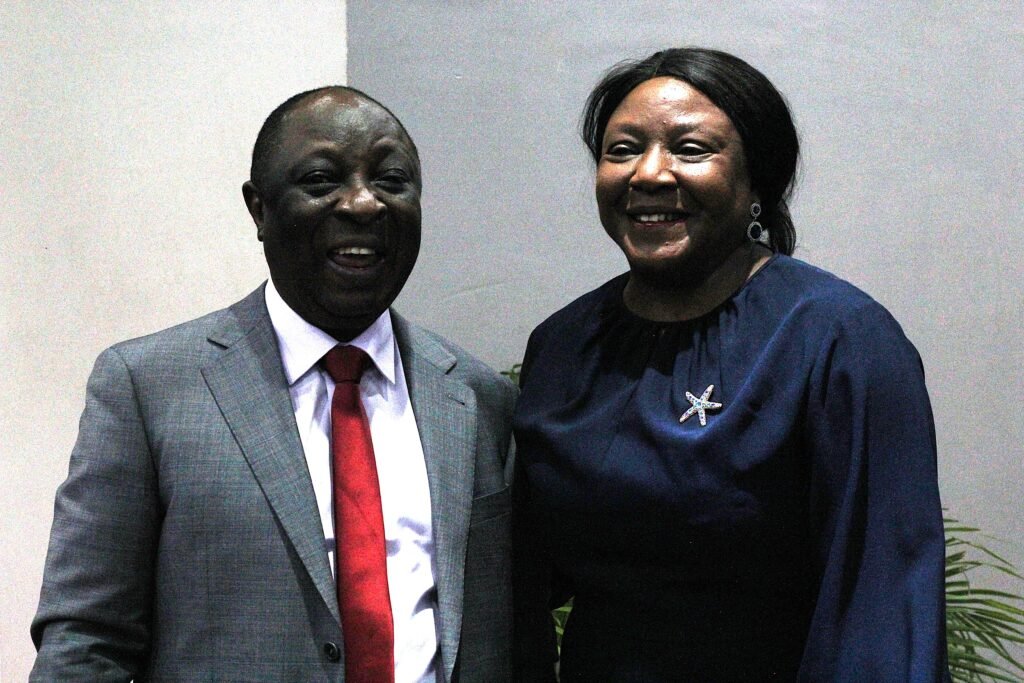
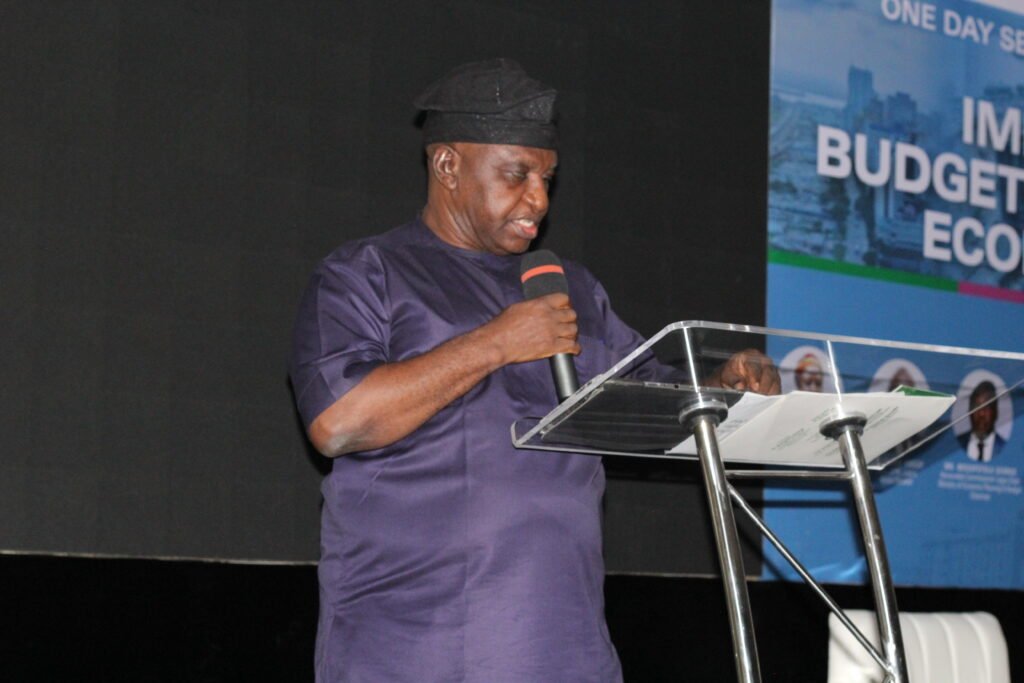
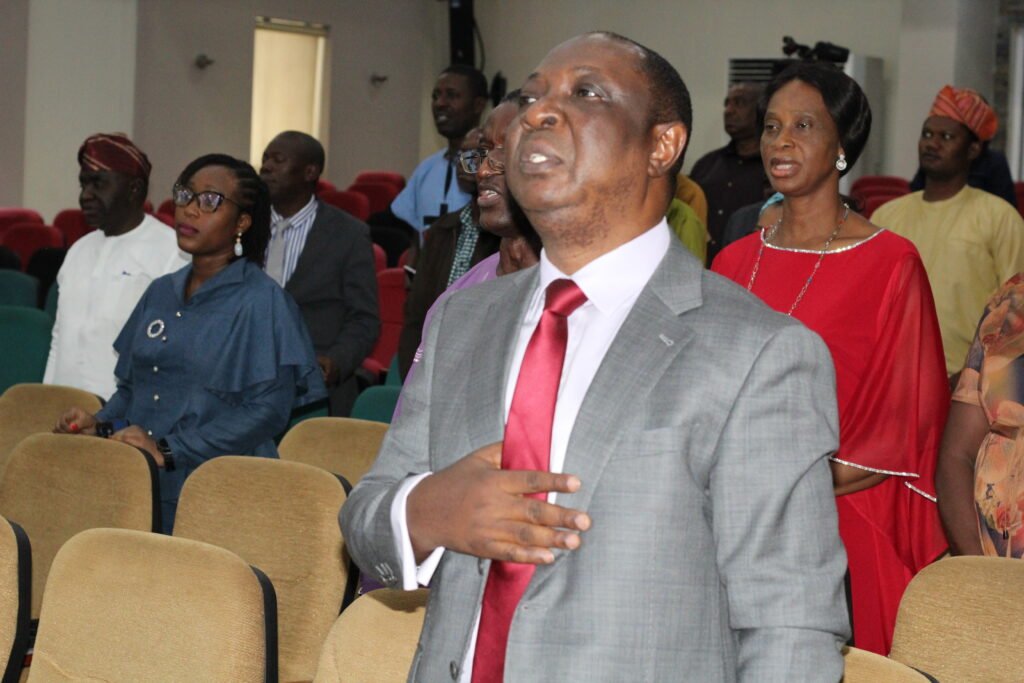
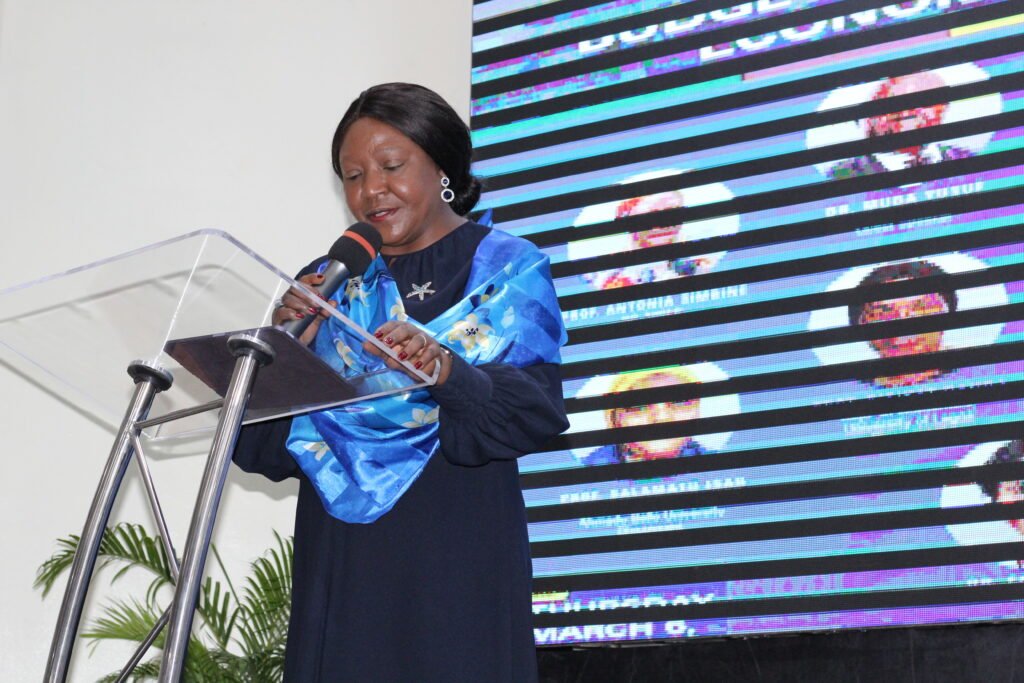
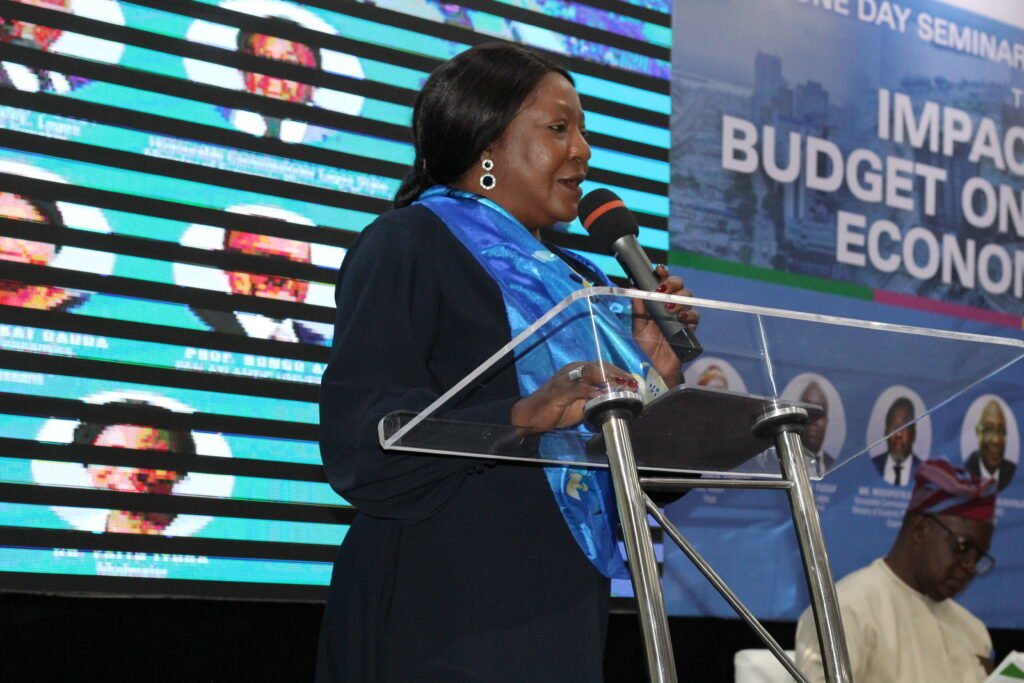
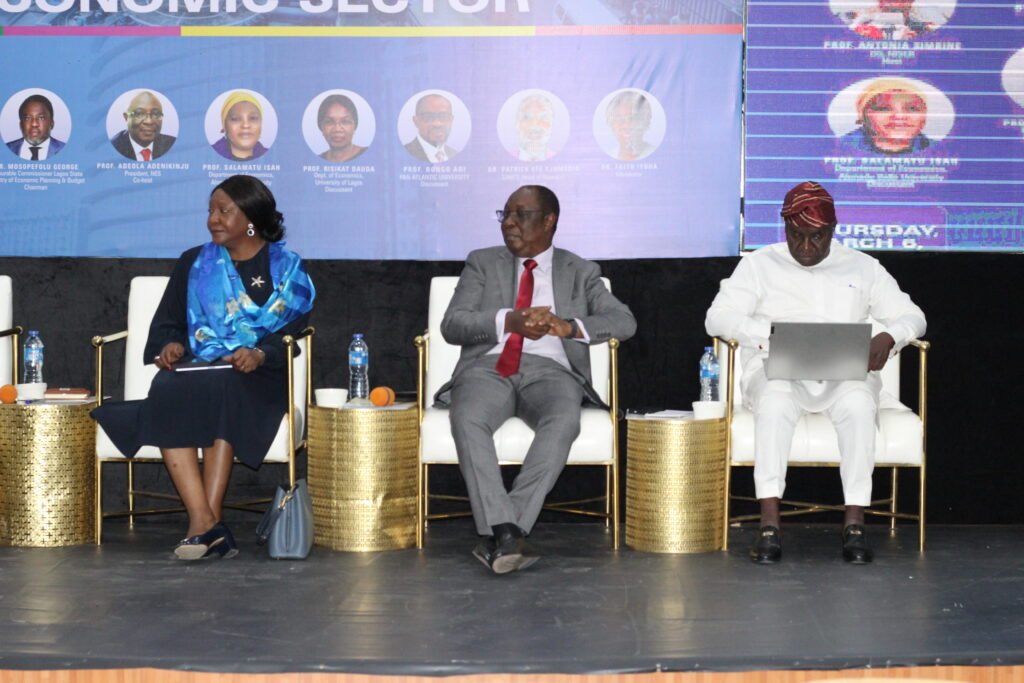
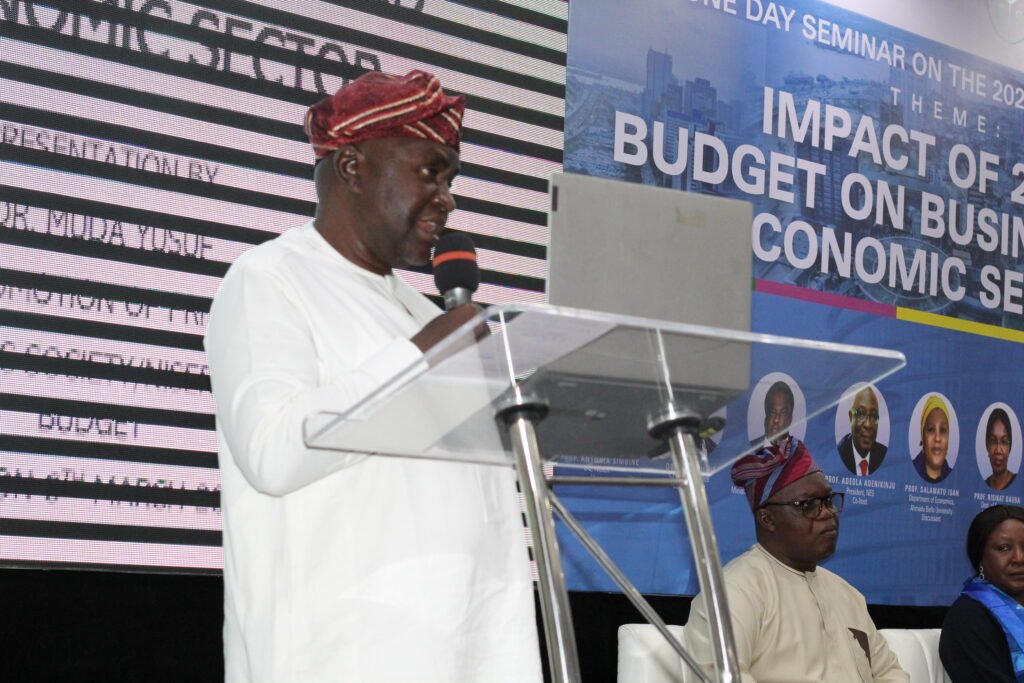
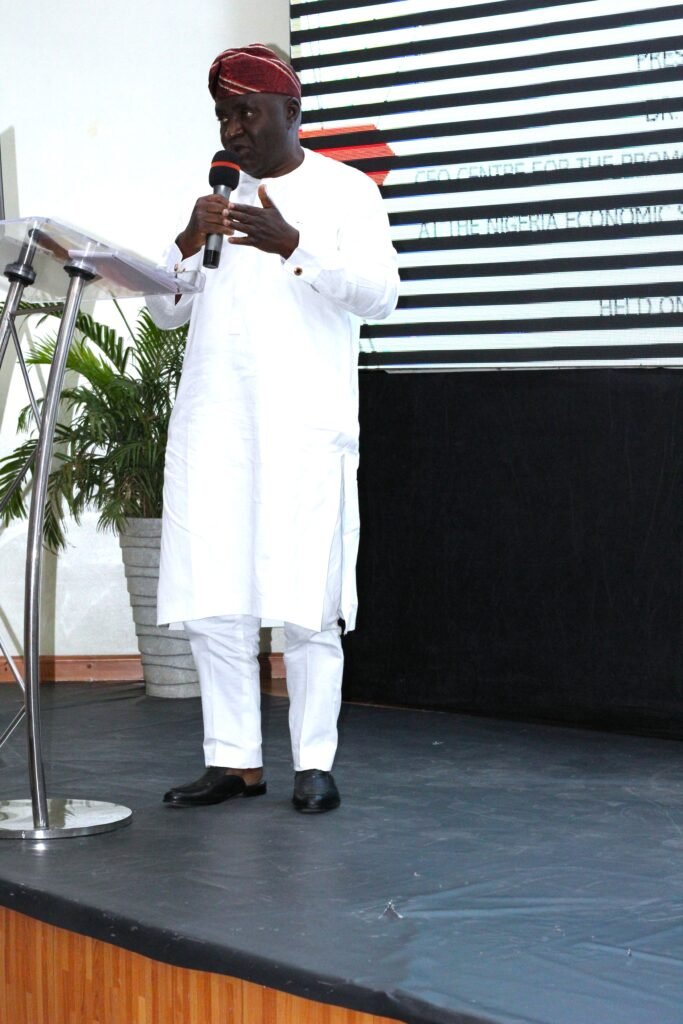
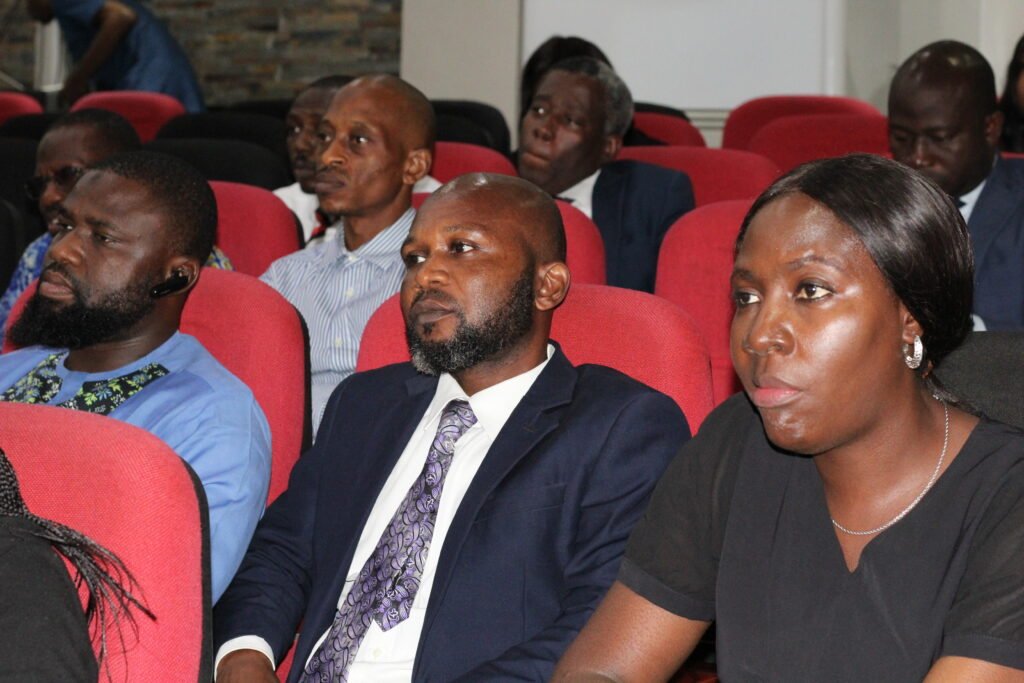
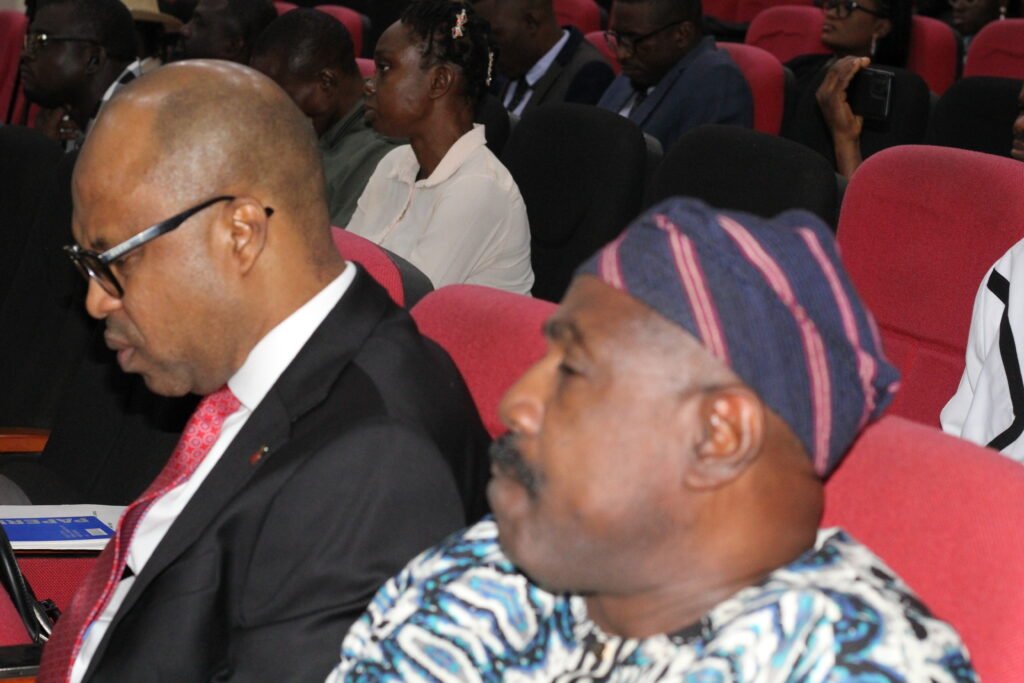
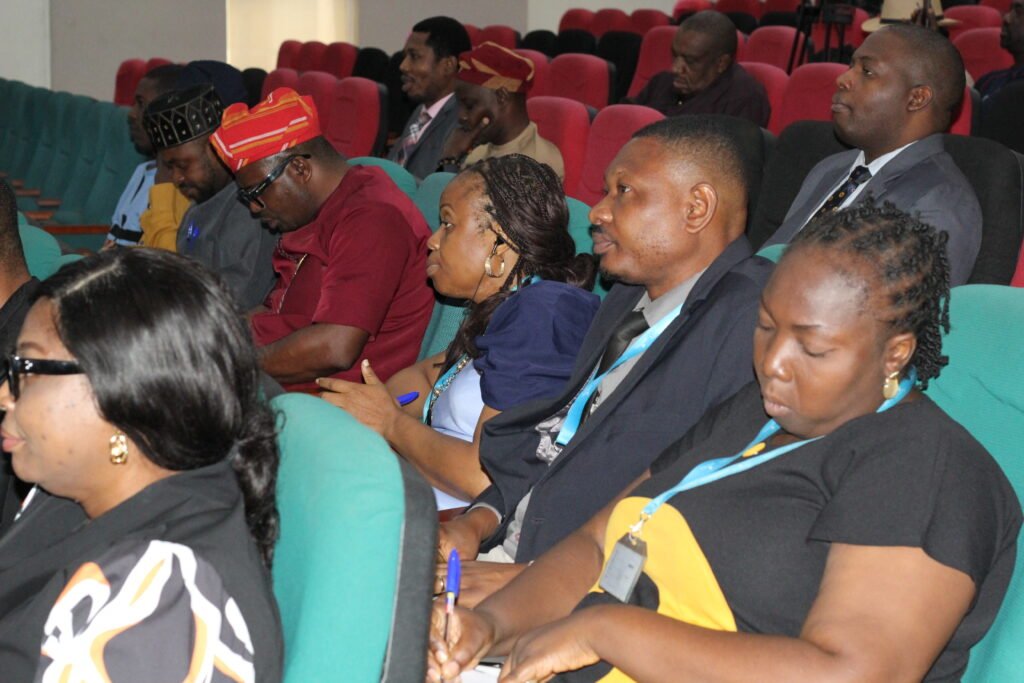
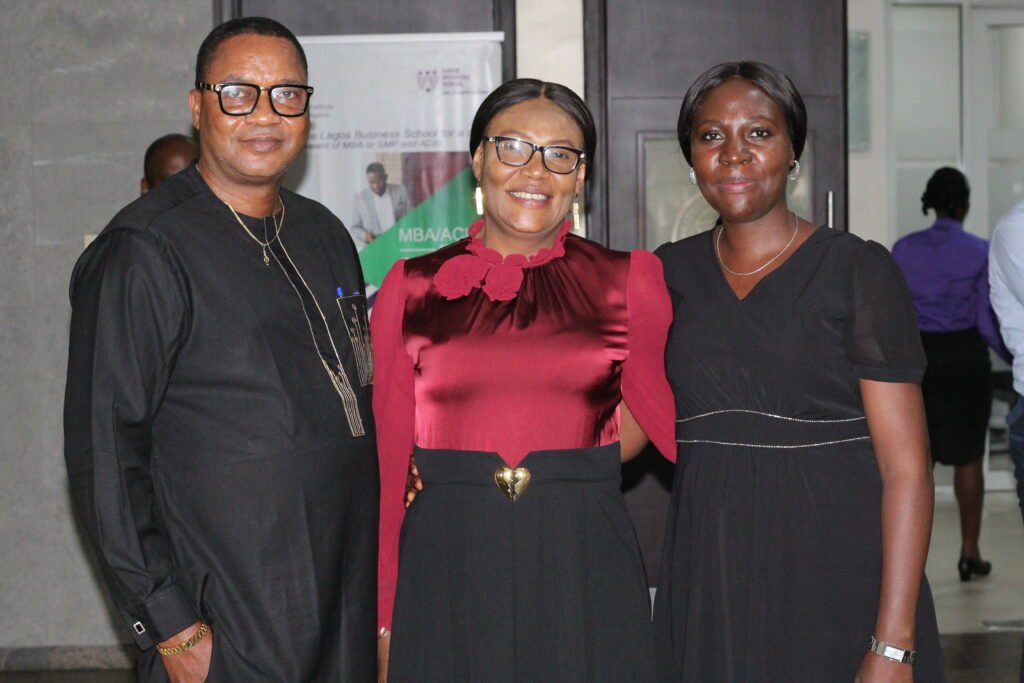
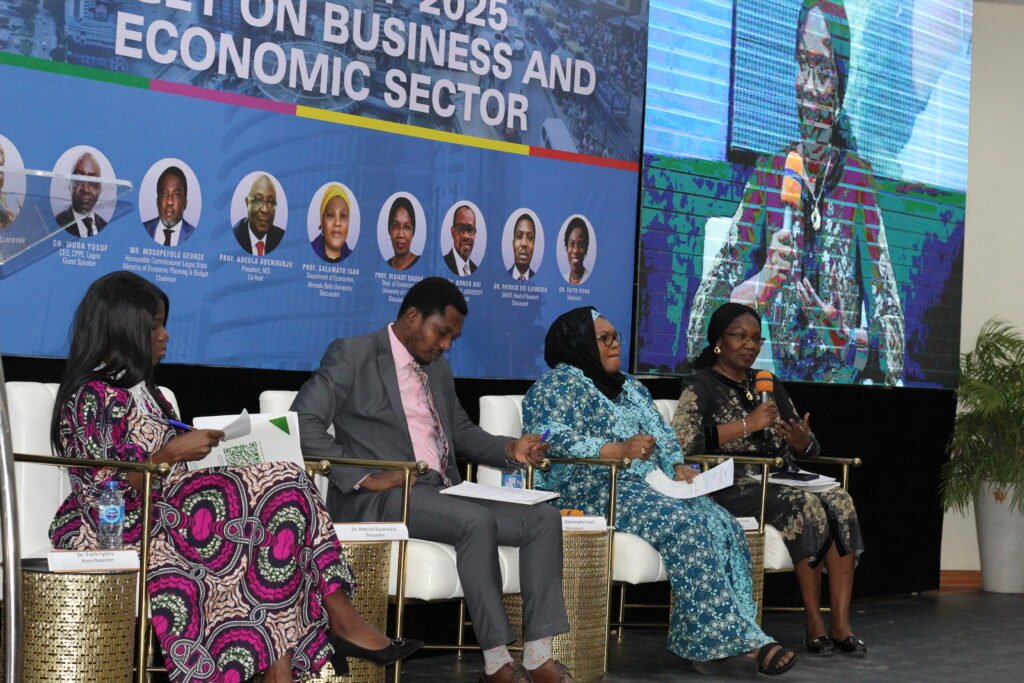
On Thursday, March 6th, the Nigerian Institute of Social and Economic Research and the Nigerian Economic Society organized a one-day seminar on the theme: Impact of 2025 Budget on Business and Economic Sectors. The event took place at the Ijewere Hall, Chartered Institute of Bankers in Nigeria, Victoria Island, Lagos. Participants joined in on-site and online
In her opening comments, the NISER Director-General, Prof. A.T. Simbine, welcomed guests and highlighted the importance of meetings such as these. The Chairman of the day, Mr. Mosopefolu George (Honourable Commissioner, Lagos State Lagos State Ministry of Economic Planning and Budget), ably represented by Mr Olufemi Orojinni, in his opening remarks, also welcomed participants to the event.
These were swiftly followed by the presentation of the day by Dr Muda Yusuf (CEO, Centre for the Promotion of Private Enterprise). In his detailed presentation he outlined the purpose and nature of the budget, and explained the implementation concerns that have arisen in its wake. He highlighted key policy concerns for businesses, outlined the implications of tax reforms on the business outlook in 2025, and also shared insights on adapting to the changing economic and business landscape.
The presentation was followed by a discussion session with Prof Salamatu Isah (Department of Economics, Ahmadu Bello University), Prof. Risikat Dauda (Head, Department of Economics, University of Lagos), and Dr. Patrick Ejumedia (Head of Research, SAMTL (Sterling Asset Management & Trustees Ltd ), under the moderation of Dr. Faith Iyoha.
The Permanent Secretary of Federal Ministry of Budget and Economic Planning, Dr. Emeka V. Obi, also joined the event online to share his thoughts and support.
In his closing remarks, Prof Adeola Adenikinju (President, Nigerian Economic Society) noted the importance of the visibility of economists in the national economic discourse, encouraging economists to not be silent.
NISER and NiDCOM host Stakeholders’ Engagement Workshop to Harness Nigerian Diaspora Contributions
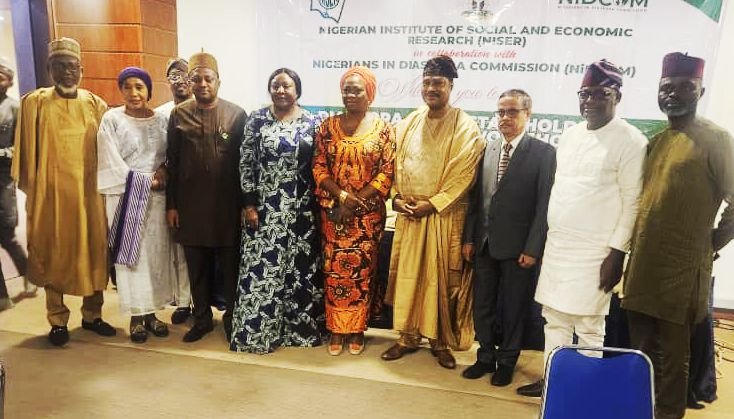
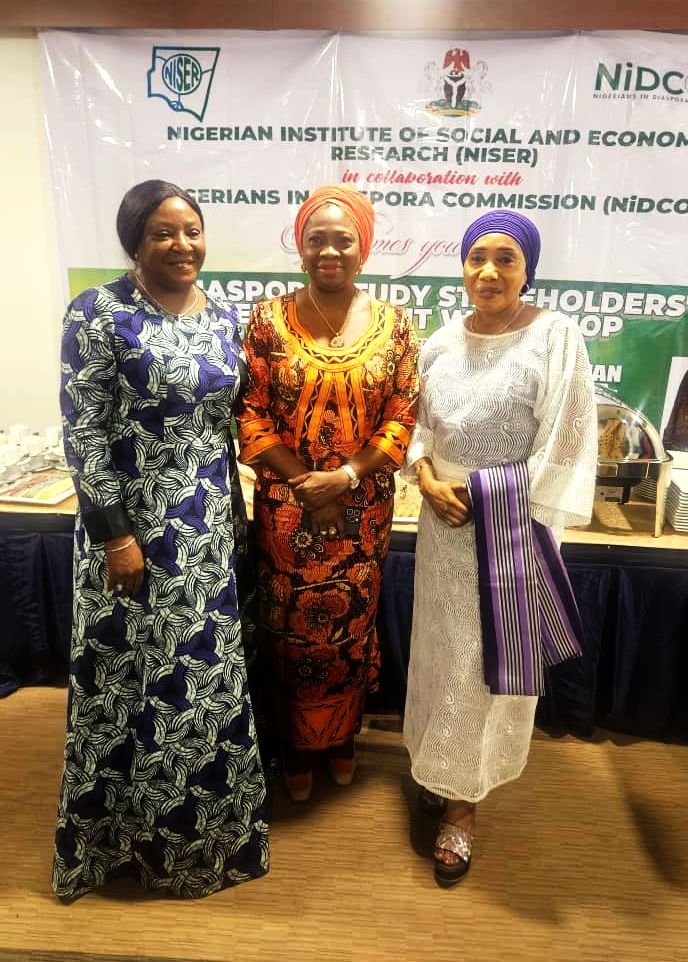
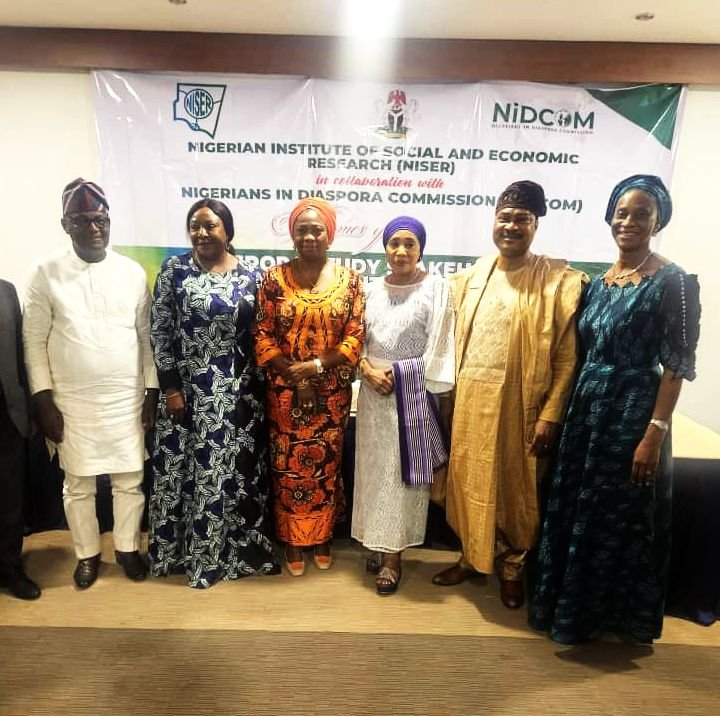
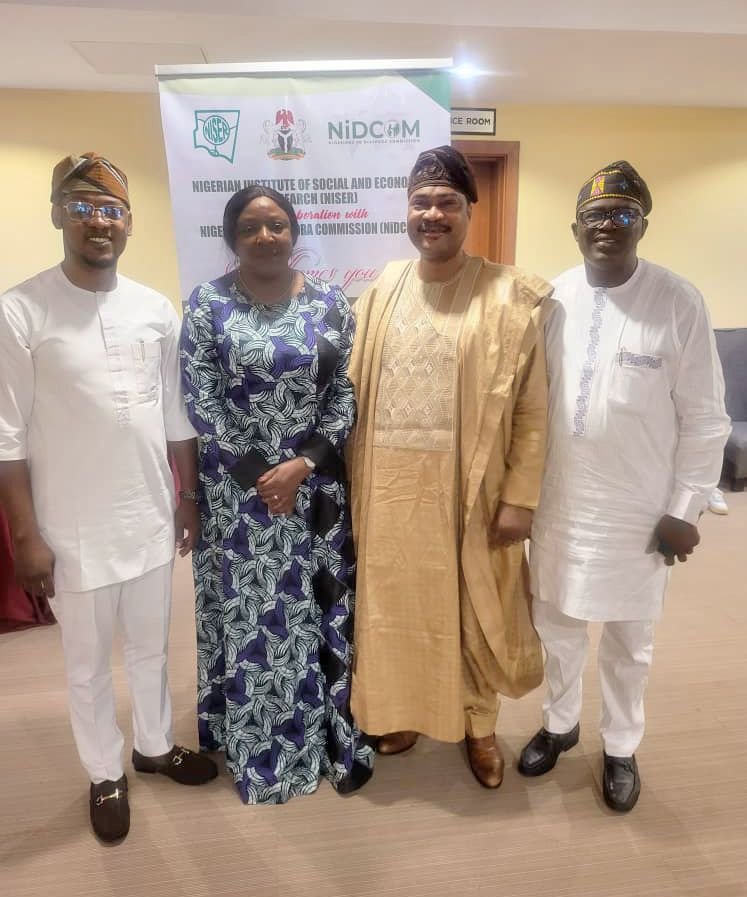
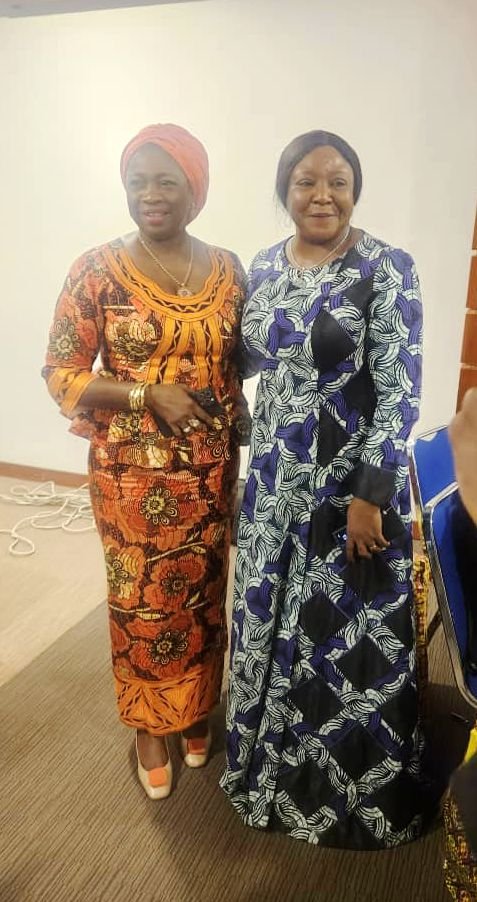
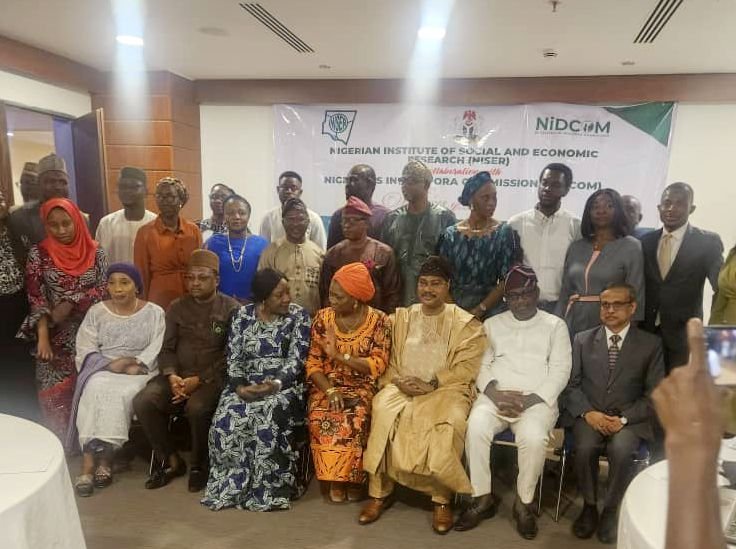

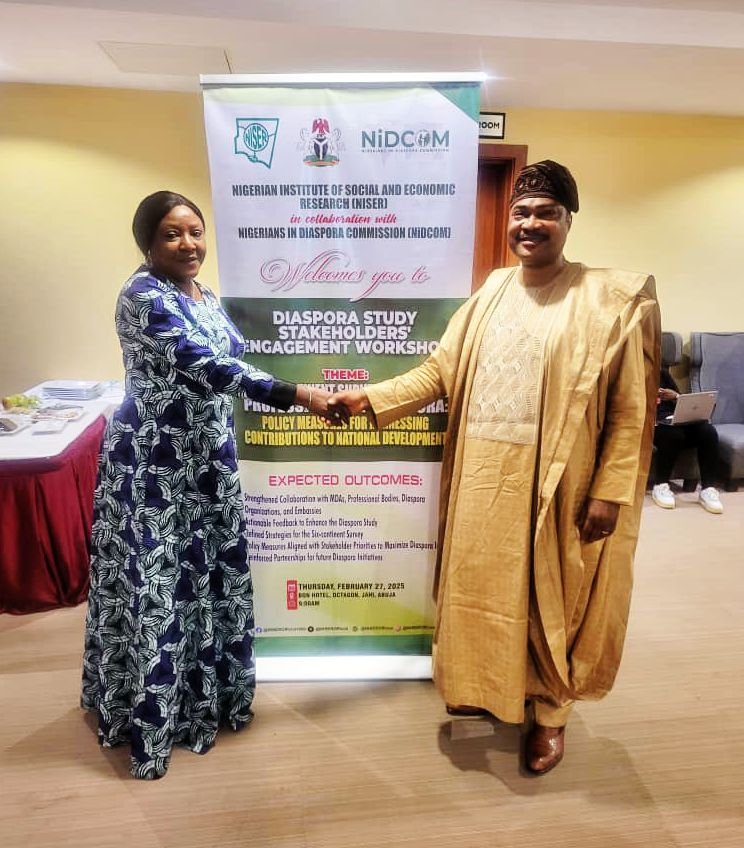
On February 27, the The Nigerian Institute of Social and Economic Research (NISER) in collaboration with the Nigerians in Diaspora Commission (NiDCOM) convened a high-level Stakeholders’ Engagement Workshop at the BON Hotel, Octagon, Jahi, Abuja, to discuss policy measures for harnessing the contributions of Nigerian professionals in the diaspora for national development.
The workshop, organized as part of an ongoing NISER study, themed “A Six-Continent Survey of Nigerian Professionals in Diaspora: Policy Measures for Harnessing Contributions to National Development,” brought together key stakeholders, including representatives from government ministries, embassies, professional bodies, diaspora organizations, and academia. The event aimed to explore strategies to optimize the financial and non-financial contributions of the Nigerian Diaspora towards national economic growth and development.
In her welcome address, Prof. Antonia Taiye Simbine, Director-General of NISER, highlighted the significance of the ongoing study, emphasizing that over 17 million Nigerians reside abroad, contributing significantly to sectors such as medicine, IT, engineering, education, and finance. While remittances from the Nigerian diaspora reached $23.8 billion in 2019 before declining to $19.5 billion in 2023, about 70% of these funds are used for consumption rather than productive investments. “This study aims to identify barriers and facilitators that impact diaspora contributions and propose policy solutions that will enhance the efficiency and impact of these contributions on Nigeria’s socio-economic development,” she stated.
The Chairman/CEO of NiDCOM, Hon. Dr. Abike Dabiri-Erewa, OON, emphasized the importance of leveraging the expertise, networks, and resources of Nigerian professionals abroad. She stated, “Nigeria is blessed with one of the world’s most resourceful diaspora communities. This study will provide us with a comprehensive understanding of how best to engage and utilize the enormous potential of our diaspora population through well-informed policies and initiatives.”
The Permanent Secretary, Ministry of Budget and Economic Planning, Dr Vitalis Emeka Obi declared the workshop open and expressed optimism about desirable outcomes emerging from the collaborative study. Goodwill messages were presented by the representatives of Indian High Commission, the Ministry of Foreign Affairs, the Chairs, House Committee on National Planning and Economic Development and House Committee on Diaspora. Goodwill messages were also presented by Institute of Chartered Accountants of Nigeria (ICAN), the Nigerian Society of Engineers and the Nigerian Medical Association. In their goodwill messages, speakers commended the synergy between NISER and NiDCOM, noting that this partnership in collaboration with the network of stakeholders present, will drive the co-creation of improved mechanisms for diaspora engagements.
The workshop served as a platform for gathering insights from stakeholders, ensuring that the study aligns with Nigeria’s National Diaspora Policy (2021) and to strengthen the role of NiDCOM in coordinating investment and policy initiatives. Participants engaged in robust discussions, sharing insights that will inform the study’s design and implementation. The deliberations are expected to strengthen collaboration among stakeholders, refine strategic approaches for diaspora engagement, and reinforce partnerships for future initiatives.
Prof. Simbine further emphasized the importance of collaboration between government agencies, professional bodies, and international partners to refine strategies that enhance diaspora engagement. “As we engage in discussions today, I encourage all stakeholders to contribute actively. The findings from this study will serve as a foundation for evidence-based policies that reshape Nigeria’s diaspora engagement strategy,” she concluded.
The event marks a critical step in strengthening the Federal Government’s initiatives to leverage diaspora expertise and investments for national progress.
How can we help you?
Contact us at the NISER office nearest to you or submit an inquiry online.
