Register for Virtual NISER Research Seminar Series: Prospects for the Nigerian Economy, 2026-2028
Highly esteemed stakeholders,
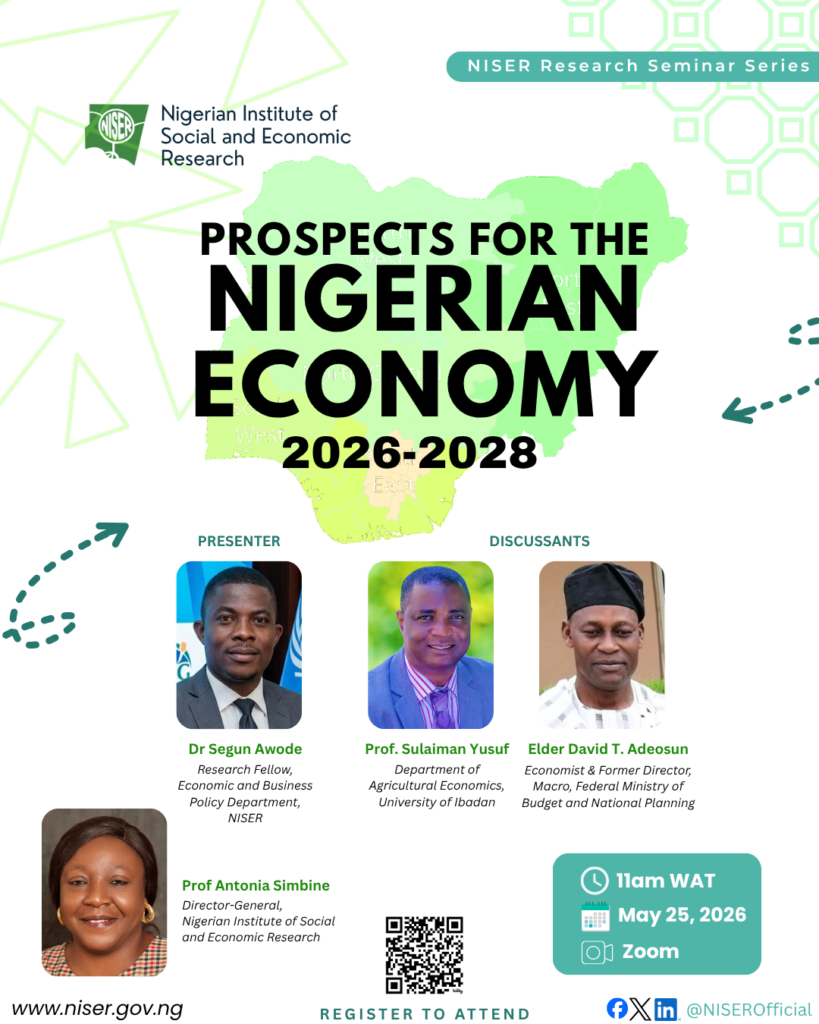
The Nigerian Institute of Social and Economic Research (NISER) cordially invites you to its upcoming virtual edition of the NISER Research Seminar Series (NRSS) themed:
Prospects for the Nigerian Economy, 2026–2028
The seminar will present and discuss NISER’s latest medium-term macroeconomic projections for the Nigerian economy within the context of ongoing economic reforms, fiscal developments, global economic uncertainties, and emerging domestic challenges.
The session aims to provide a platform for constructive engagement among policymakers, researchers, academics, development partners, and private sector stakeholders on the outlook for output growth, inflation, fiscal sustainability, debt dynamics, and employment conditions over the 2026–2028 period.
We invite you to join this important conversation as we collectively explore policy options and generate evidence-based insights for sustainable economic growth and macroeconomic stability in Nigeria.
Date: Monday, 25 May 2026
Time: 11am
Venue: Zoom
Presenter: Dr Segun Awode (Research Fellow, Economic & Business Policy Department, NISER).
Discussant:
- Prof. Sulaiman Yusuf (Department of Agricultural Economics, University of Ibadan)
- Elder David T. Adeosun (Economist & Former Director, Macro, FMNP)
Kindly register for the seminar via the link below:
We look forward to your participation.
NISER TRAINS STAFF ON FIRE SAFETY MEASURES
The Nigerian Institute of Social and Economic Research, NISER, has equipped its staff with precautionary and safety measures in fire management. The fire sensitization workshop took place at the Institute’s Conference Room with two fire experts from Fire Tamers Company Limited, Ibadan, in attendance.
Declaring the workshop open, the Director-General of NISER, Professor A. T. Simbine, reiterated that the sensitization training was aimed at keeping staff informed and prepared against fire-related disasters within the Institute. She noted that the knowledge acquired during the workshop would also prove useful to staff members in their homes and while embarking on official trips.
The Director-General further stressed that there would be additional training on fire safety alongside first aid training to ensure adequate emergency preparedness and management. She emphasized that it is better to possess knowledge about fire safety than to remain ignorant and commended NISER’s fire marshals for successfully coordinating the workshop and welcomed all participants to the programme.
In his welcome address, the NISER Director of Administration, Mr. E. Udofia, emphasized the importance of the programme to participants. Mr. Udofia explained that the sensitization workshop was organized against the backdrop of a fire retreat organized by the Oyo State Fire Service, where selected NISER staff were sponsored by the Institute to undergo training. According to him, the purpose was to enable trained staff members to equip other staff with the necessary knowledge and skills on preventive safety measures against fire outbreaks and appropriate emergency response procedures within the Institute.
The fire sensitization workshop, themed “Promoting Fire Safety Culture and Emergency Preparedness in NISER,” featured four sub-themes, namely:
- Friendly Fire, Fiery Furnace,
- Developing a Fire Safety Culture in the Workplace,
- Basic Fire Safety Equipment and Their Uses,
- General Fire Safety Modules, First Aid, and Other Healthcare Measures, including Practical Demonstration of Fire Control Techniques and Cardiopulmonary Resuscitation (CPR) Procedures.
Key highlights from the fire awareness programme included educating participants on the various classes of fire, the importance of switching off electrical appliances in workplaces and homes, regular inspection of wiring and equipment to detect damages, maintaining clean workspaces to reduce fire outbreaks, proper storage of flammable materials, testing fire alarms regularly to ensure functionality, raising alarms promptly upon spotting fire outbreaks, and the installation and proper use of fire extinguishers.
The six NISER fire marshals, namely Dr. Samuel Ochinyabo, Dr. Mustapha Oludare, Mr. Dishon Aliyu, Dr. Benedicta Isunueo, Mr. Kayode Adetunji, and Mr. Opoola Moruf, delivered excellent presentations during the workshop.
Practical sessions on different methods of extinguishing fire were also conducted using blankets, foam fire extinguishers, water fire extinguishers, and CO₂ extinguishers.
Participants were additionally taught CPR techniques to assist accident victims, including the appropriate recovery position, correct chest compression methods, and rescue breathing procedures. An interactive question-and-answer session was held, during which participants asked several questions that were satisfactorily addressed by the facilitators.
The programme came to an end with a closing remark delivered by Dr. Benedicta Isunueo, who thanked everyone for their active participation and encouraged continuous adherence to fire safety practices.
© PUBLIC AFFAIRS/INFORMATION UNIT
NISER Examines Implications of US/Israel–Iran Conflict
The Nigerian Institute of Social and Economic Research (NISER) held a Virtual Policy Dialogue on Tuesday, May 5, 2026, bringing together policymakers, researchers, industry professionals, and members of the public to assess the economic and geopolitical consequences of the ongoing US/Israel-Iran conflict for Nigeria and other developing economies.
The dialogue was declared open by NISER’s Director-General, Prof. Antonia Simbine, who underscored the urgency of evidence-based policy conversations during periods of global uncertainty. She noted that developing countries like Nigeria are particularly exposed to the ripple effects of geopolitical crises and reaffirmed NISER’s commitment to providing timely research and guidance to government and stakeholders.
Understanding the Crisis and Its Global Impact
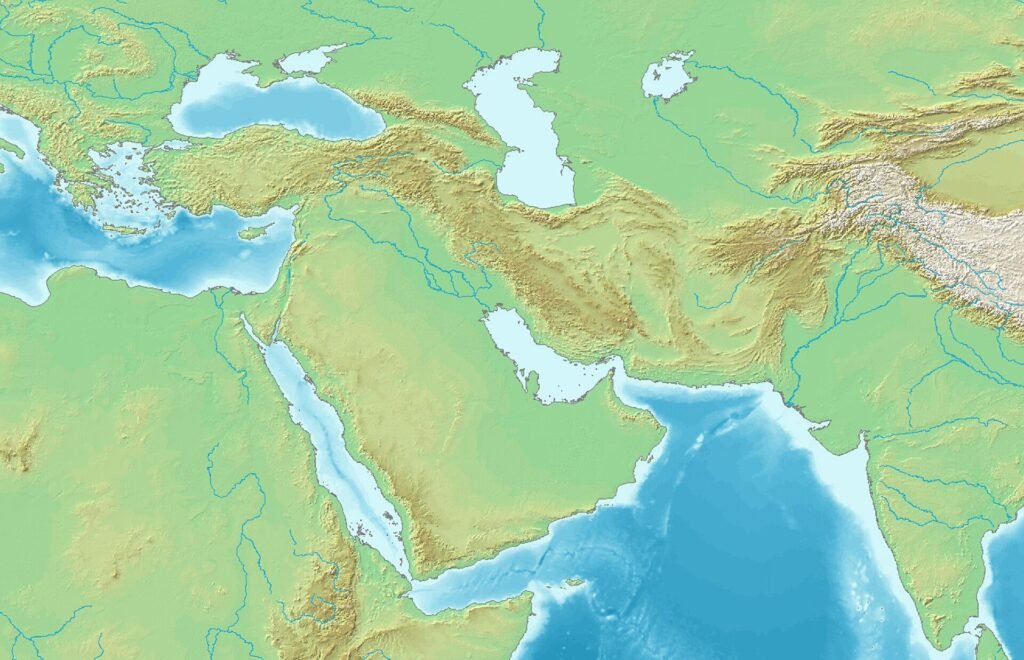
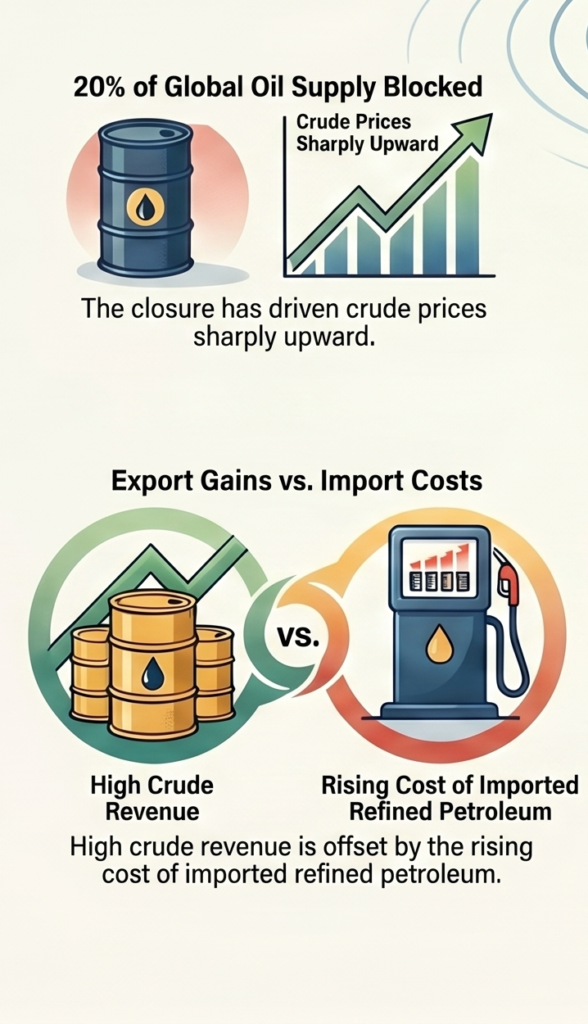
The lead presentation was delivered by Dr. Iyabo Olanrele, a Senior Research Fellow at NISER, who outlined the scale and scope of the disruptions triggered by the conflict. Central to the crisis has been Iran’s closure of the Strait of Hormuz; a critical chokepoint through which approximately 20 percent of global oil supply is transported. This has driven crude oil prices sharply upward and set off a chain of consequences across global energy markets.
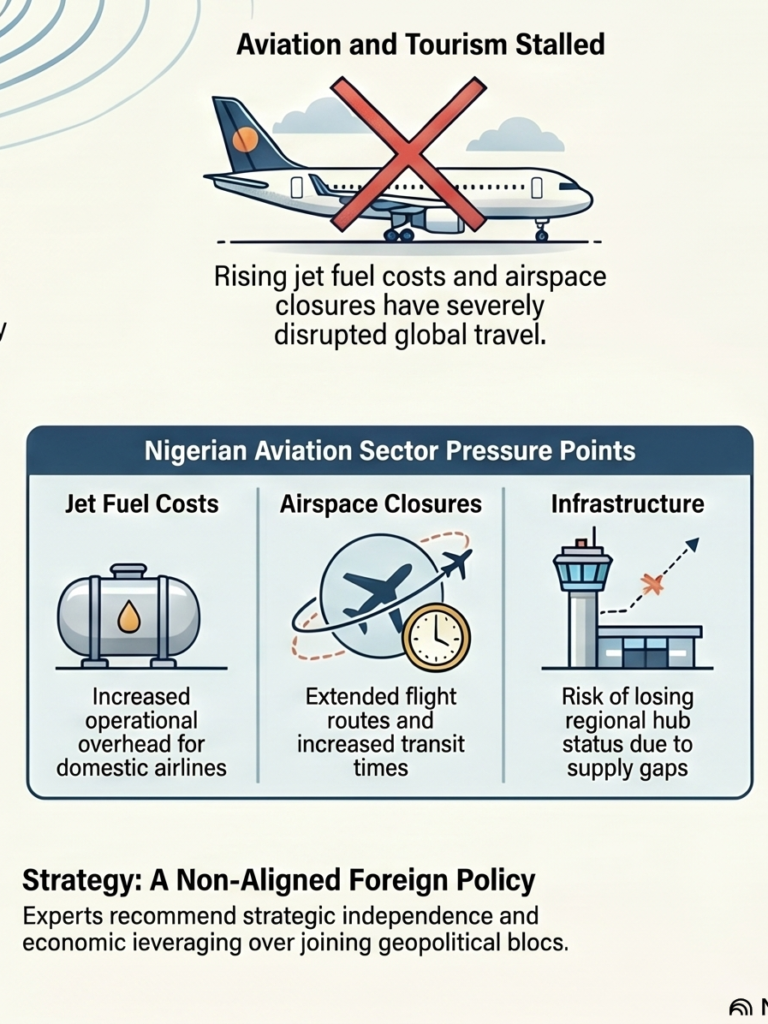
Dr. Olanrele highlighted that the fallout extends well beyond energy markets. Global inflation has risen, growth projections have been revised downward, and supply chains have been strained across multiple sectors. Reduced LNG supply and surging fertilizer prices have added further pressure on global food security, while aviation and tourism have been hit hard by rising jet fuel costs and widespread airspace closures across the Middle East.
Nigeria’s position in this crisis is complex. As an oil-exporter, the country stands to gain a fiscal windfall from higher crude prices. Despite the Dangote refinery’s substantial capacity, Nigeria’s persistent reliance on imported refined products and the refinery’s own need for imported crude feedstock leave the economy exposed to global fuel price shocks, domestic inflation, and exchange rate pressures. This dual reality (benefiting as a producer while suffering as a consumer) represents a significant policy dilemma that panelists expounded throughout the dialogue.
Panel Discussion: Energy, Aviation, and Geopolitics
The panel discussion, moderated by Prof. Godwin Akpokodje, drew on expertise from academia, policy, and industry across three key thematic areas.
Professor Salamatu Isah examined the energy dimension of the crisis, warning that Nigeria lacks the production capacity to fully capitalize on the current oil price surge. She called for a strengthening of domestic oil and gas infrastructure, sustained support for local refining through the naira-for-crude policy, and the revival of fiscal buffers such as stabilisation funds to cushion the economy against future shocks.
Dr. Steve Olusegun Ogidan addressed the crisis’s impact on aviation, tourism and hospitality industries, describing it as one of the most severe disruptions the sector has seen in modern times. He pointed to the sharp rise in jet fuel costs, extended flight routes, and widespread airspace closures as major cost drivers for airlines. He warned that Nigeria risks losing its potential as a regional aviation hub, citing its weak infrastructure and paradoxical practice of exporting jet fuel while facing domestic shortages. His proposed response centred on five pillars: energy supply chain security, financial support for airlines and tourism businesses, route diversification, promotion of domestic tourism, and the use of technology and data for pricing and risk management.
Professor Rufa’i Ahmed Alkali offered a broader geopolitical perspective, arguing that the conflict reflects deep-seated power struggles rather than a sudden escalation. He noted a discernible shift in the global order away from rules-based multilateralism toward power-driven dynamics, with traditional Western dominance giving way to the growing influence of China, Russia, and regional blocs. For Nigeria, he recommended a non-aligned foreign policy, strategic independence, and a focus on long-term national planning rather than short-term gains from oil windfalls.
Key Takeaways from the Open Discussion
The interactive session reinforced several of the panel’s core themes. On Nigeria’s foreign policy stance, it was said that the country is currently maintaining a neutral position, engaging informally in oil trade without officially aligning with any global bloc. Panelists advised that Nigeria’s priority should be to leverage the crisis economically — expanding market share and growing foreign reserves — rather than entering into geopolitical alignments that could have long-term consequences.
Participants also raised questions about how much of the projected oil windfall Nigeria has actually captured, and whether the country can truly be considered energy-secure given its partial reliance on imported refined products. Panelists acknowledged that structural inefficiencies and import dependence are likely to offset much of the revenue benefit, reinforcing the view that Nigeria remains energy-vulnerable despite being an oil exporter.
The conversation also touched on a persistent concern: the gap between expert recommendations and actual government policy. While no definitive answer was given, panelists stressed that bridging this gap requires stronger institutional frameworks, genuine political will, and a long-term orientation in national planning.
Conclusion: A Shared Call for Structural Reform
Across all sessions, a consistent message emerged: Nigeria’s central challenge is not a shortage of opportunities but a set of deep structural weaknesses that prevent the country from capitalising on them. Panelists and participants alike called for economic diversification, greater energy independence through improved domestic refining capacity and strategic reserves, investment in critical infrastructure, and more effective policy implementation.
There was also a broader continental dimension to the discussion. Professor Isah noted that many African countries are rethinking their alliances and investing in regional energy partnerships citing the Nigeria-Morocco gas pipeline as one example as part of a wider push toward strategic and economic self-reliance.
The dialogue concluded with a collective call for Nigeria to move away from reactive policymaking toward building energy sovereignty and resilient systems capable of absorbing recurring global shocks. As panelists emphasised, crises in the Middle East are neither new nor unpredictable and Nigeria’s response must reflect that reality.
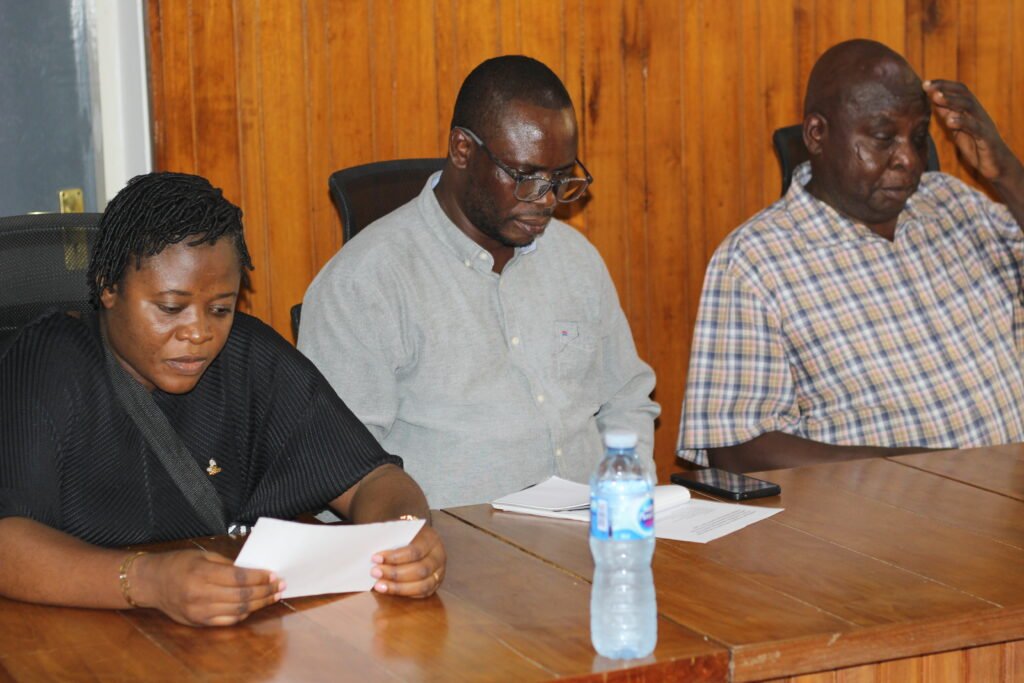
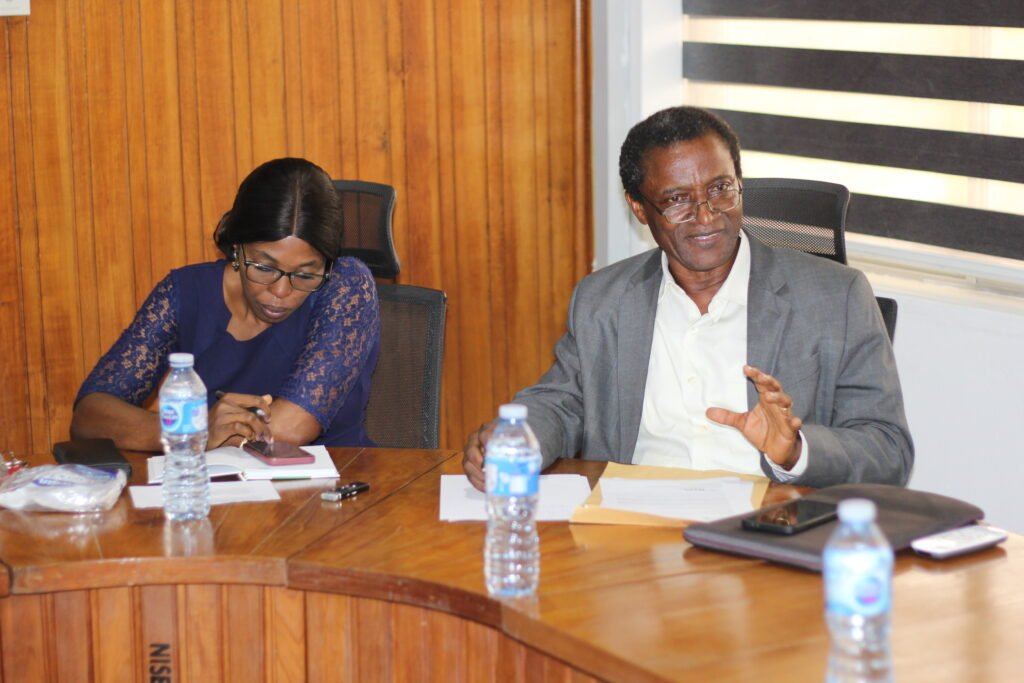
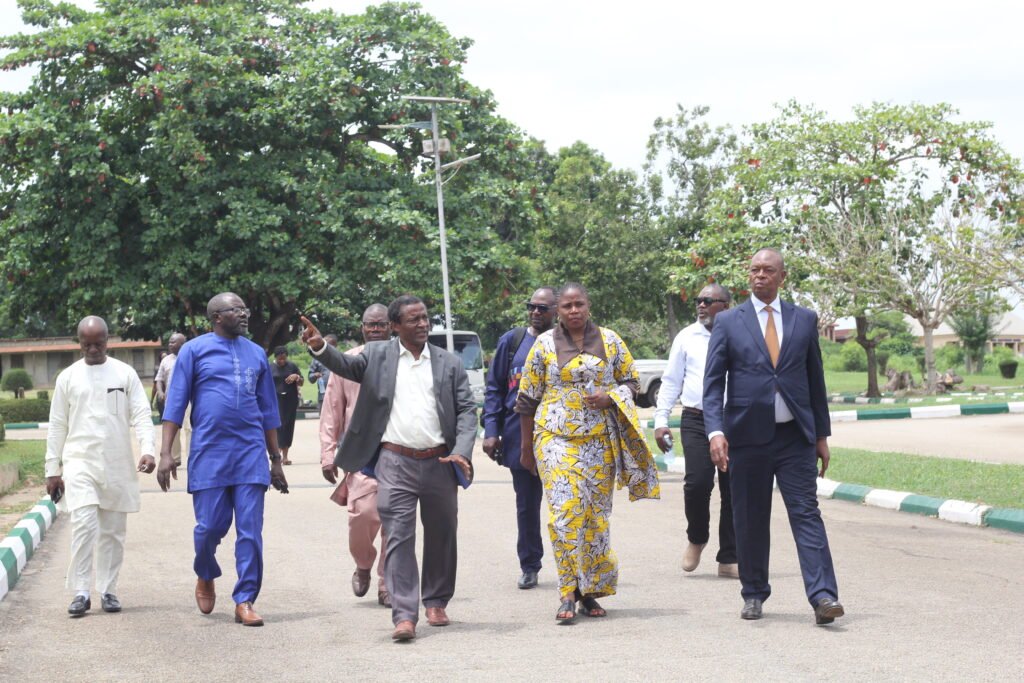
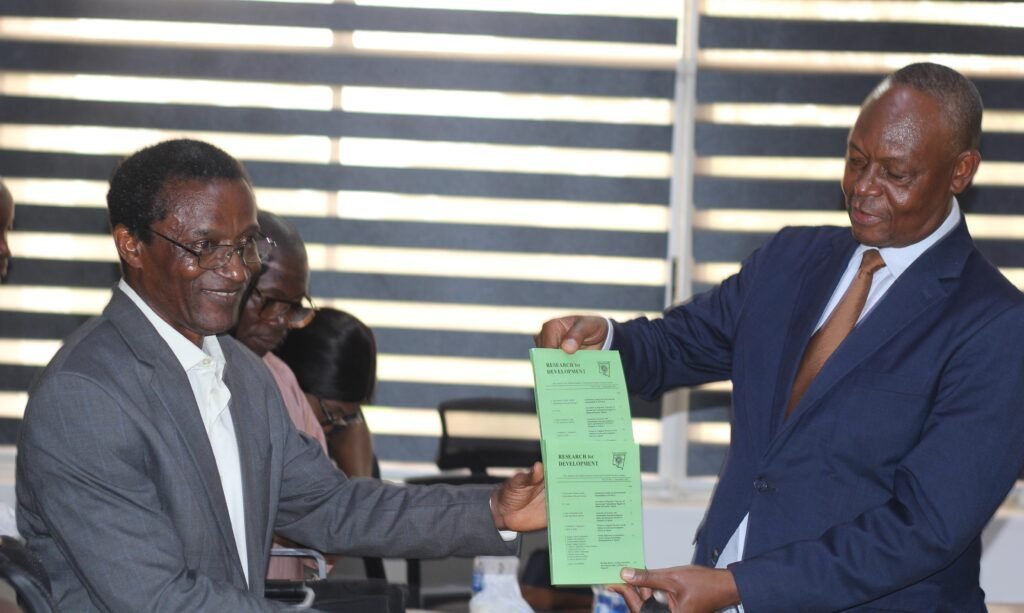
INERA Management Team Pays Courtesy Visit to NISER
INERA Management Team Pays Courtesy Visit to NISER
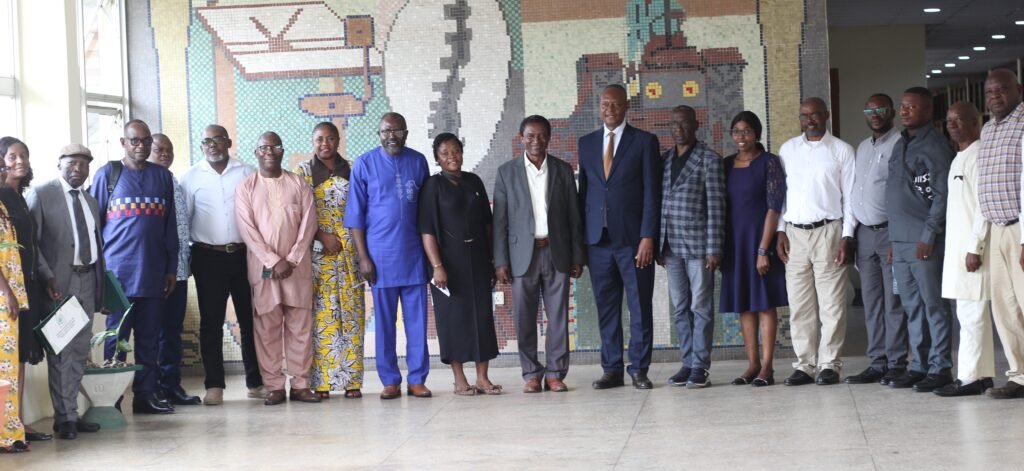
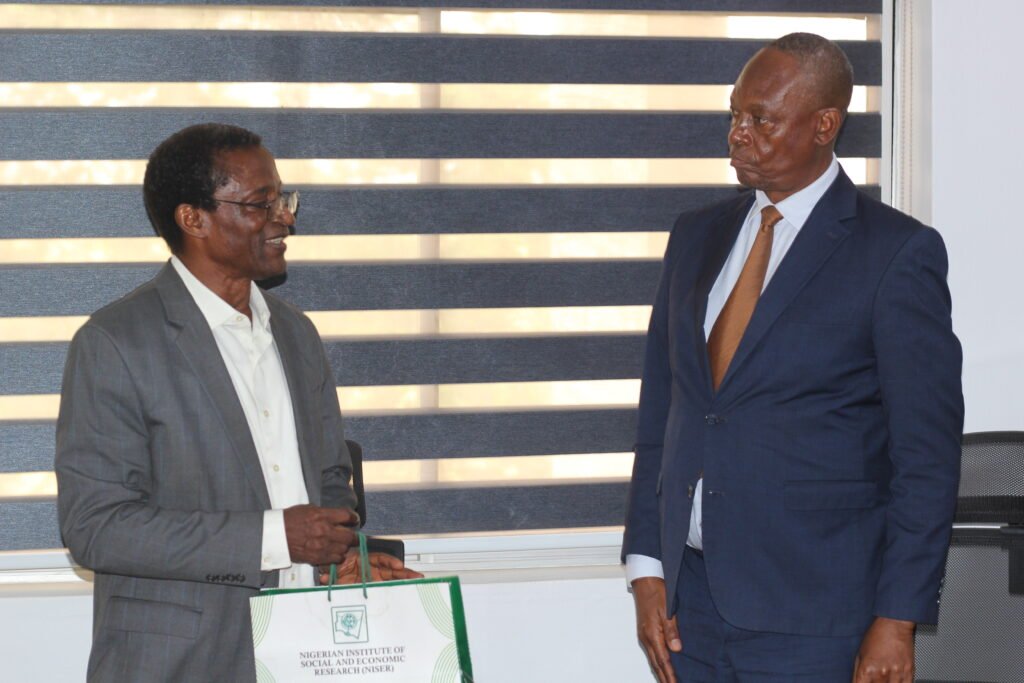
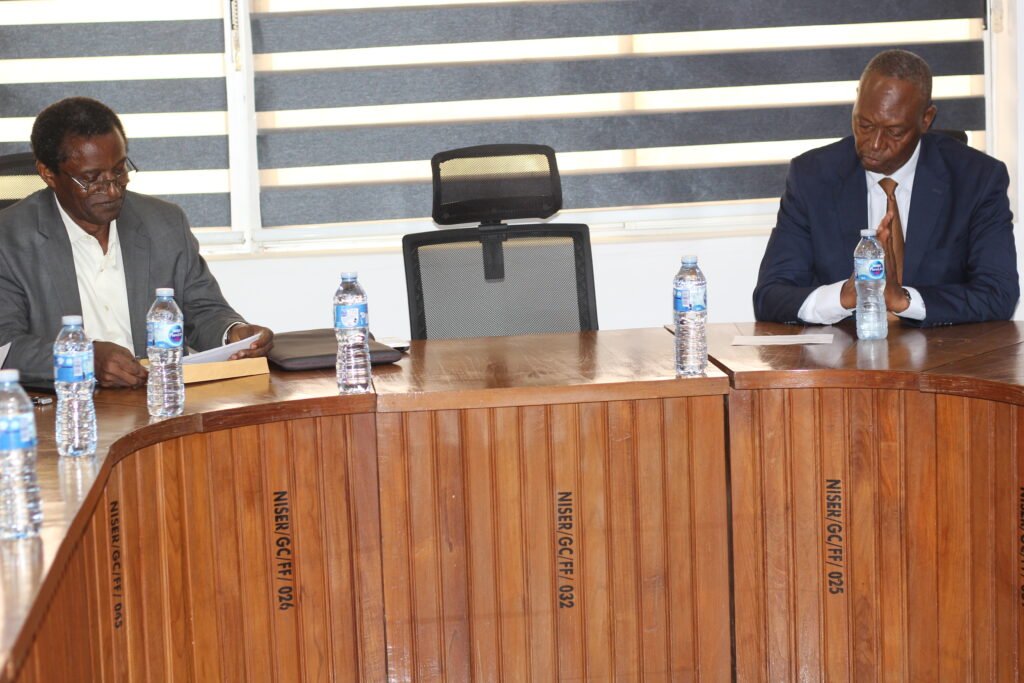
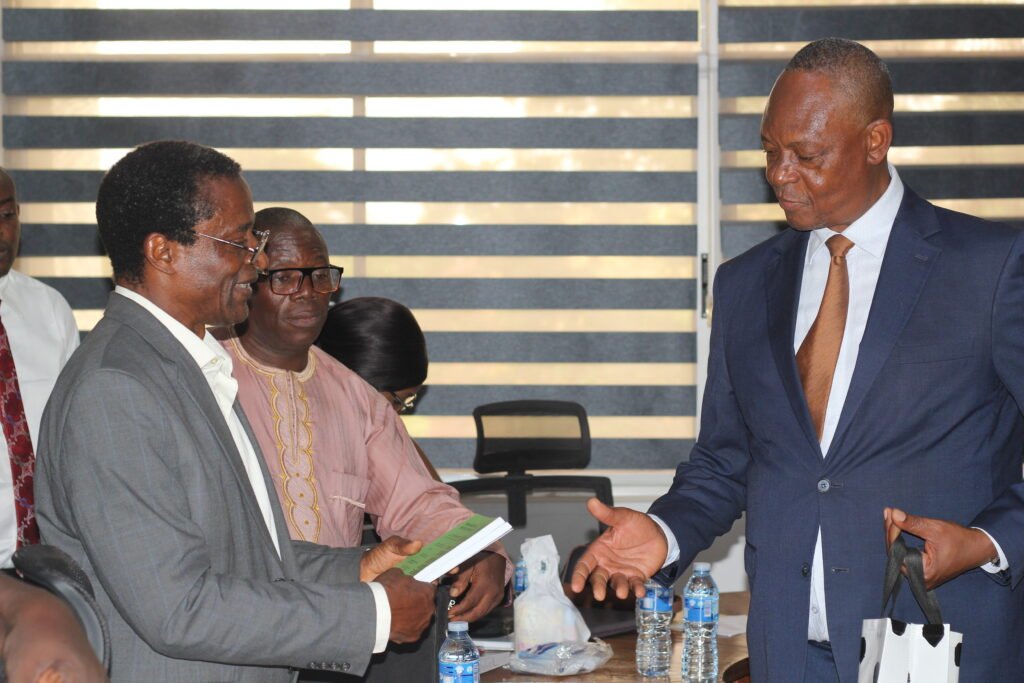
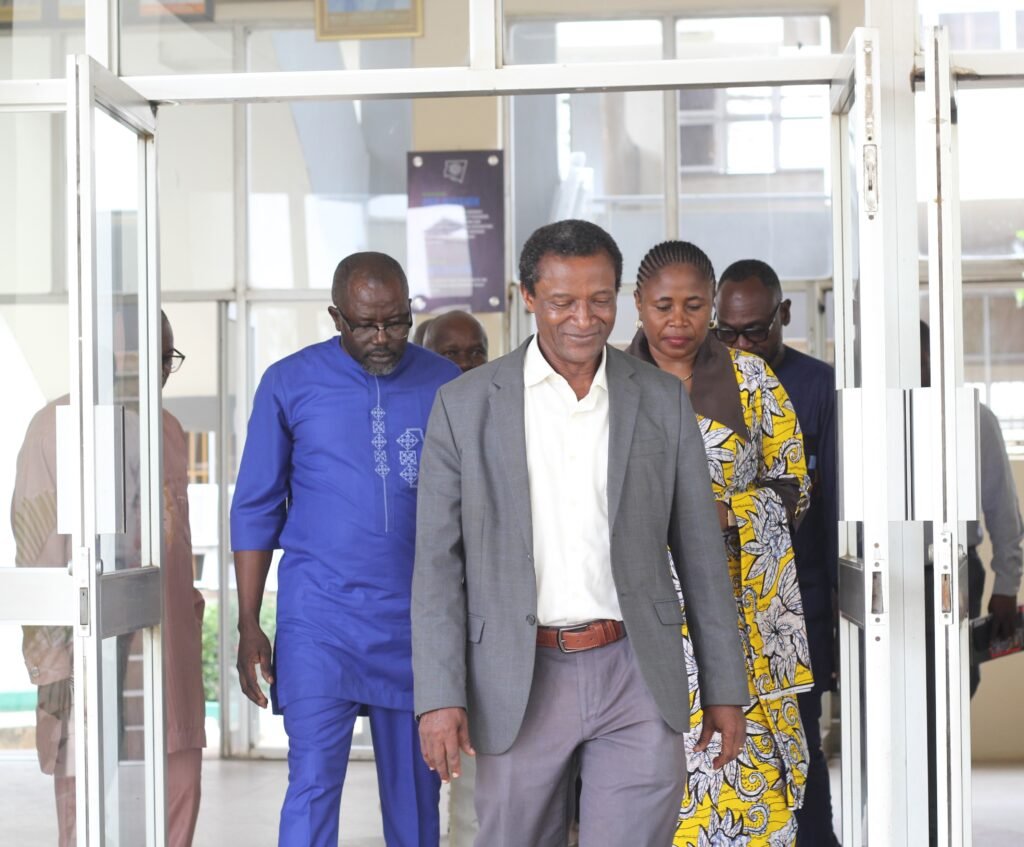
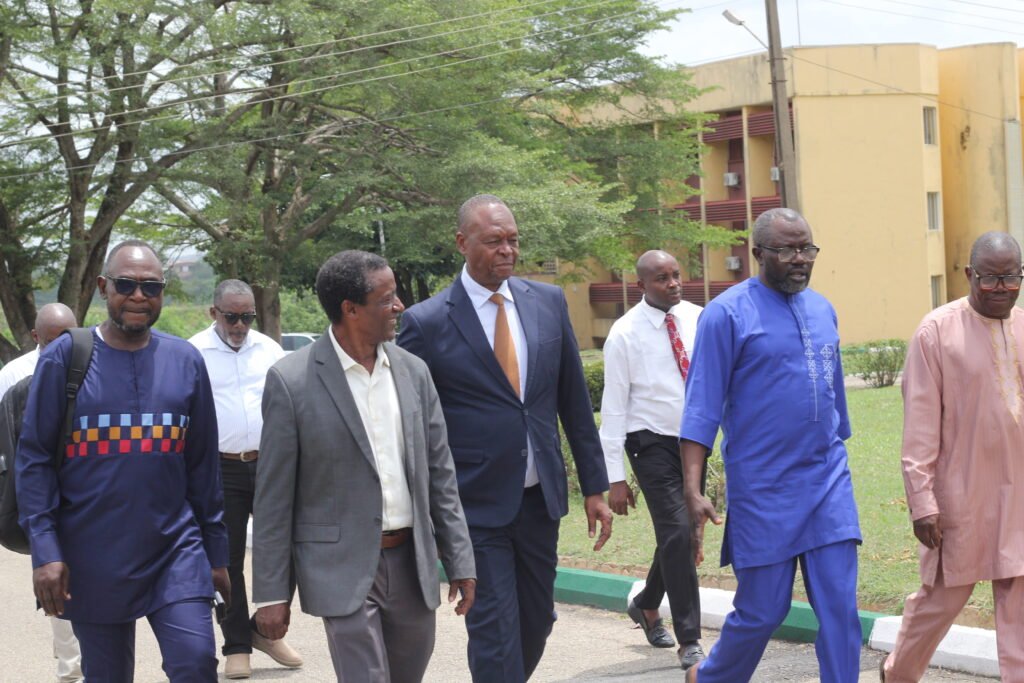
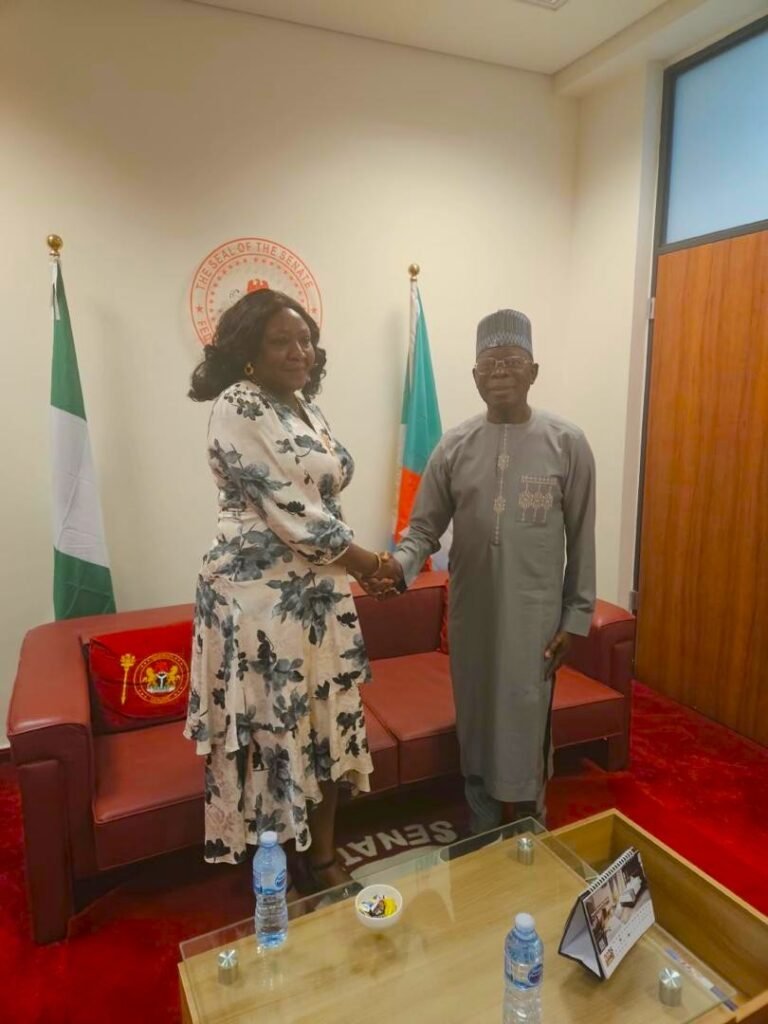
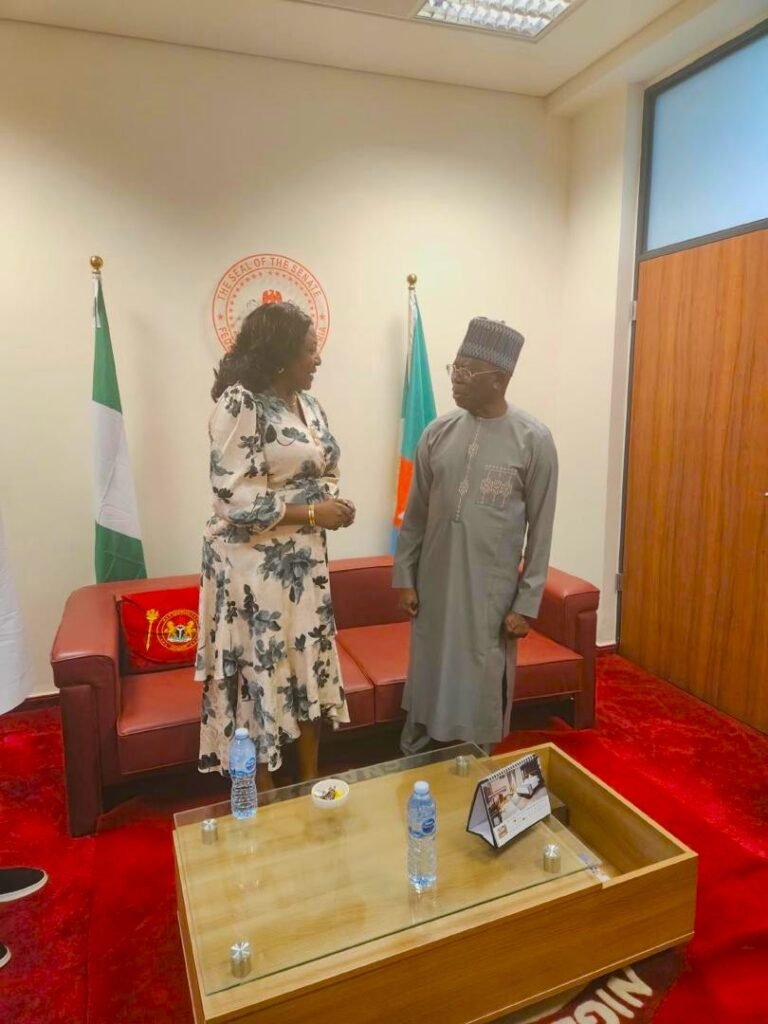
NISER DG Visits the Distinguished Senator Adams Oshiomhole
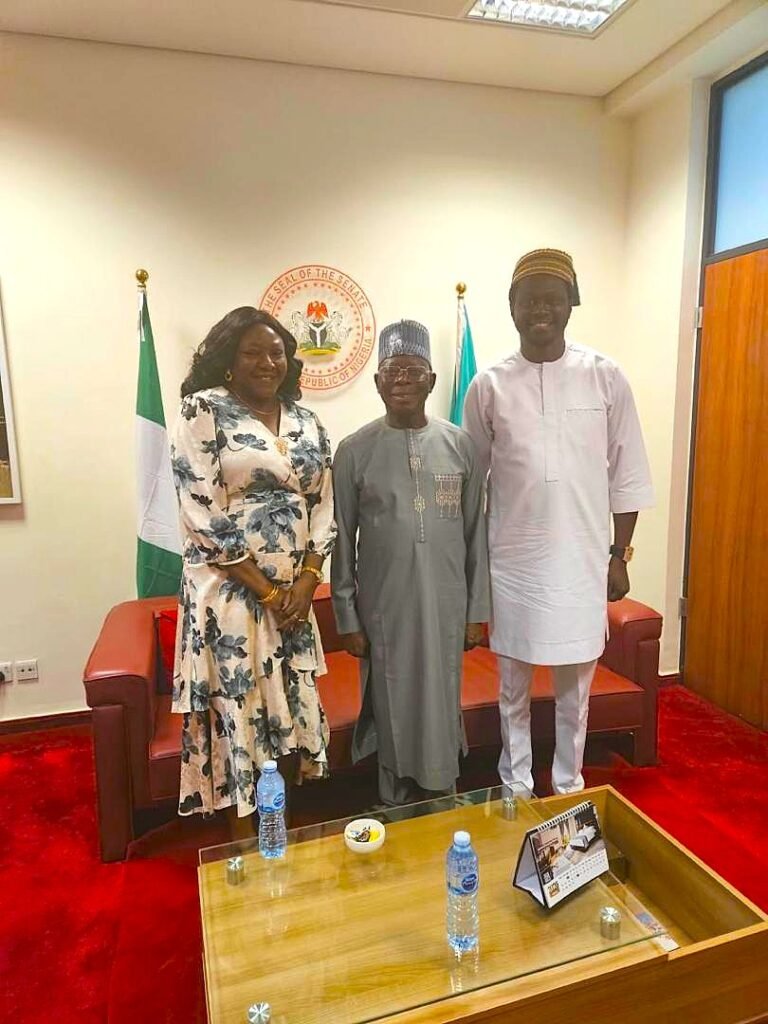
On April 29th, the NISER DG, Professor A.T. Simbine, paid a visit to the Distinguished Senator Adams Oshiomole in company of Hon. Simon Karu, former Member of the NISER House Committee on Planning. The purpose of the meeting was to discuss improved uptake of research findings and support for Institute programs and activities.
Harnessing Nigeria’s Diaspora for Development: Key Insights from NISER’s Dissemination Workshop
The Nigerian Institute of Social and Economic Research (NISER), in partnership with the Nigerians in Diaspora Commission (NiDCOM), recently convened a high-level dissemination Workshop on a Six-Continent Survey of Nigerian Professionals in the Diaspora. The event brought together policymakers, researchers, and representatives of key professional bodies to examine how Nigeria can better leverage its global talent pool for national development.
The workshop marked a critical step in refining the findings of a comprehensive study designed to provide evidence-based recommendations for strengthening diaspora engagement.
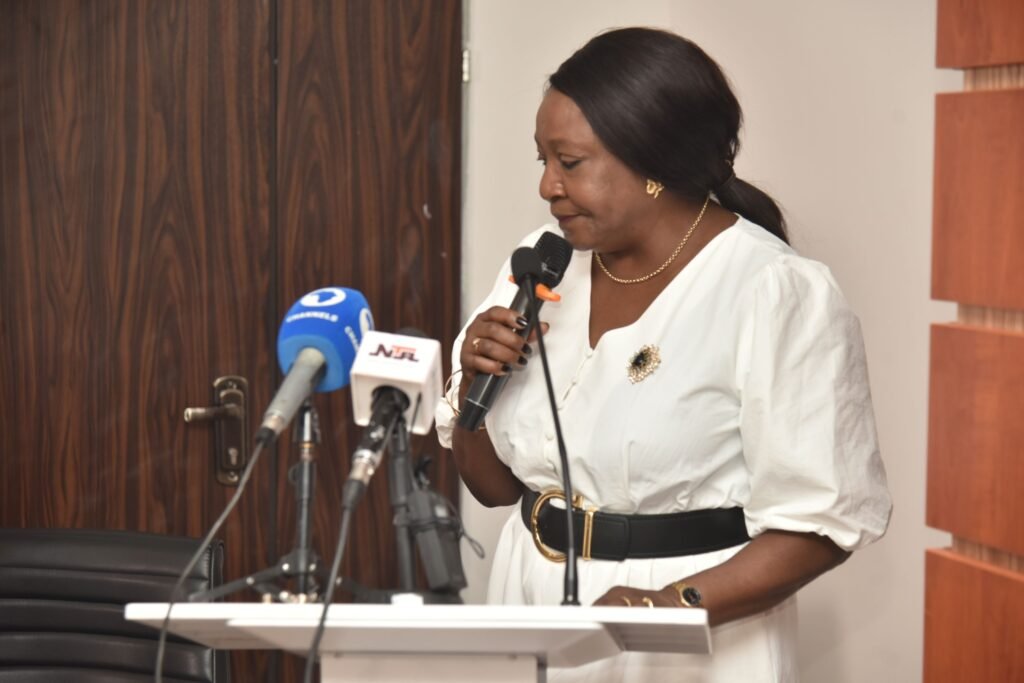
Opening Remarks by DG: Strong Institutional and Stakeholder Support
In her opening remarks, NISER’s Director-General, Professor Antonia Taiye Simbine, highlighted the growing importance of Nigeria’s diaspora community. With remittances exceeding $20 billion annually, Nigeria ranks among the top remittance-receiving countries in Africa. Beyond financial contributions, the diaspora plays a vital role in knowledge transfer, innovation, and global networking.
However, she noted that despite this immense potential, several barriers—such as policy inconsistencies, weak institutional coordination, regulatory bottlenecks, and trust deficits—continue to limit effective engagement. The workshop, she emphasized, was designed to bridge these gaps by refining the study’s findings and strengthening its policy recommendations.
Goodwill Messages from Professional Bodies
Goodwill messages were taken from professional bodies including the Nigerian Medical Association (NMA), the Nigerian Society of Engineers (NSE) and the Institute of Chartered Accountants of Nigeria (ICAN).
Speakers highlighted real-world examples of impact, including advancements in healthcare delivery, investments in infrastructure, and professional collaborations that have strengthened local capacity. They reaffirmed their commitment to supporting frameworks that enable diaspora professionals to contribute more effectively to national development.
Remarks by NiDCOM Chairman: A Call for Structured Engagement
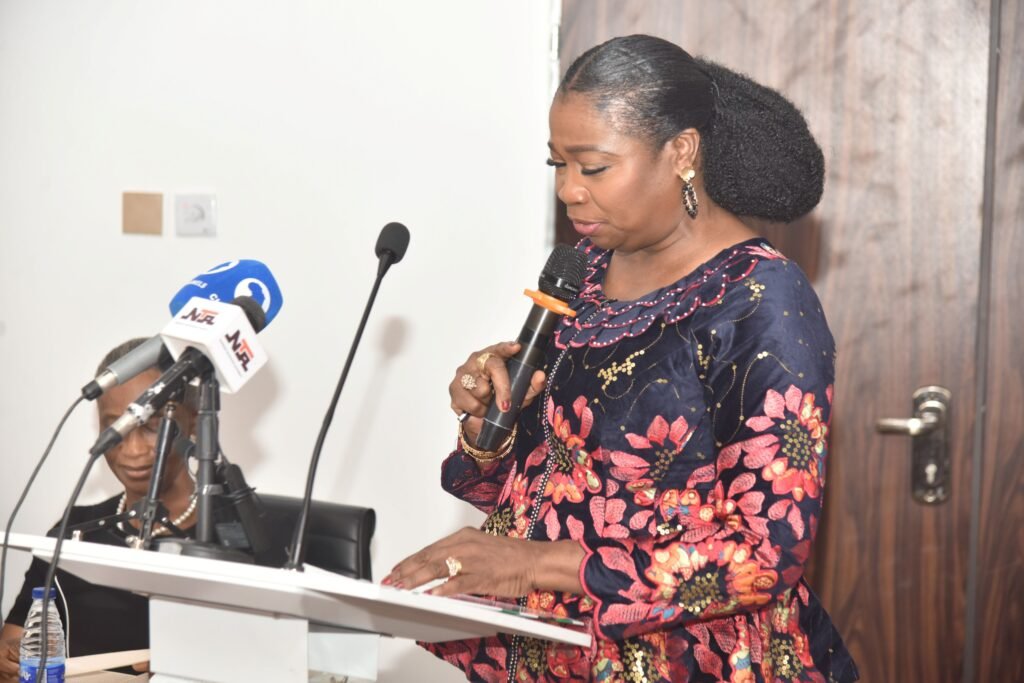
Delivering her keynote remarks, NiDCOM Chairman/CEO, Hon. Dr. Abike Dabiri-Erewa, described Nigeria’s diaspora as one of the country’s most valuable assets—skilled, innovative, and globally competitive.
She emphasized the need to shift focus from remittances for consumption to remittances for investment and long-term development. According to her, building a structured and coordinated framework for engagement is essential to unlocking the full potential of Nigerians abroad.
She also highlighted ongoing and upcoming initiatives, including diaspora conferences and sector-focused engagements, particularly in healthcare, aimed at strengthening collaboration between Nigeria and its global professionals.
Key Findings from the Study
The presentation of study findings revealed insights from Nigerian professionals across six continents, offering a nuanced understanding of migration patterns, experiences, and contributions.
Migration Trends and Drivers
Migration remains widespread, with many Nigerian families having at least one member abroad. The study identified a higher representation of respondents from southern Nigeria.
Key drivers of migration include:
- Low wages and unemployment
- Insecurity and safety concerns
- Poor infrastructure
- High cost of living
The study also highlighted a stepwise pattern in migration, featuring a preliminary internal migration phase—where professionals move from suburbs to major cities like Lagos, Abuja and Portharcourt—before relocating abroad.
Diaspora Profiles and Economic Activity
Nigerian professionals in Western countries such as the United States, United Kingdom, and Australia tend to be well-integrated into formal employment and earn higher incomes. In contrast, those in countries like China and Brazil are often younger and engaged in education or transitional economic activities, while those in South Africa show strong entrepreneurial tendencies.
A notable concern identified was “brain waste,” where highly skilled Nigerians are unable to fully utilize their qualifications abroad, and instead engage in part-time jobs and self-employment.
Remittances and Investment Patterns
While remittances remain a consistent feature across all groups, about 90% are directed toward household consumption. However, a different trend was observed in South Africa, where a larger share of remittances is invested in sectors such as real estate, trade, agriculture, and education.
Importantly, the study found that willingness to invest in Nigeria is high among diaspora professionals, but this is constrained by issues such as limited policy awareness, lack of trust, and absence of structured investment channels.
Barriers to Engagement
Participants identified several obstacles to effective diaspora engagement, including:
- Low awareness of diaspora-focused policies
- Lack of transparency and trust in systems
- Weak institutional coordination
- Regulatory and bureaucratic challenges
While diaspora professionals are actively involved in knowledge transfer—through mentoring, advisory roles, and training—technology transfer remains limited due to procedural and bureaucratic bottlenecks. One of the stakeholders in the room attributed this to the fact that most do not follow due process laid down for such transfers which often involves moving in equipment and machines from abroad.
Robust Stakeholder Engagement
The workshop featured lively discussions and critical reflections from participants. Some key issues raised include:
- The need to consider areas of future research which capture migration to neighbouring African countries.
- The importance of clearly defining who qualifies as “diaspora,” especially in relation to students schooling abroad
- A re-examination of how remittances are categorized, particularly when used for education and other long-term investments
Towards a More Effective Diaspora Framework
A major takeaway from the workshop was the need for Nigeria to adopt a more strategic and tailored approach to diaspora engagement. Rather than attempting to curb migration, stakeholders emphasized the importance of managing the diaspora as a development asset.
Key policy directions emerging from the discussions include:
- Developing structured and transparent investment frameworks
- Strengthening trust through accountability and clear policies
- Enhancing awareness and communication of diaspora initiatives
- Adopting country-specific engagement strategies
- Improving coordination among relevant institutions
Looking Ahead
The dissemination/validation workshop successfully achieved its goal of strengthening the study through inclusive stakeholder input. It also reinforced a critical message: Nigeria’s diaspora is not just a community abroad—it is a powerful driver of national development waiting to be fully engaged.
As the final report is refined and presented, it is expected to provide a strong evidence base for policies that will reshape Nigeria’s diaspora engagement landscape and unlock new opportunities for sustainable growth. NISER and NiDCOM have forged a partnership to drive this effort.
How can we help you?
Contact us at the NISER office nearest to you or submit an inquiry online.
