







Home » Events

News and Events

The “Moral Numbing” Effect: Why the First Act of Corruption Matters Most

The “Moral Numbing” Effect: Why the First Act of Corruption Matters Most

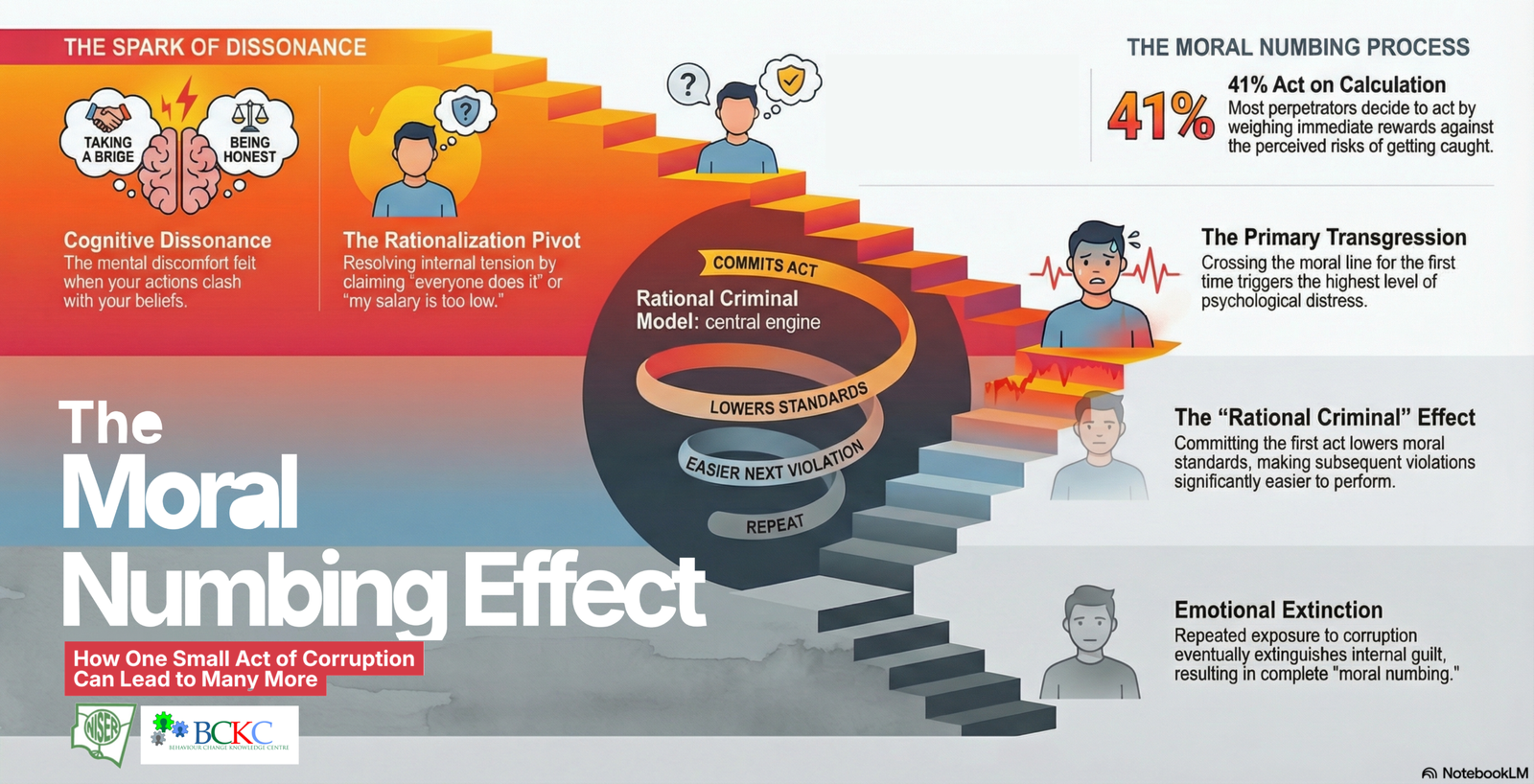
Corruption is often described as an “iceberg phenomenon,” where visible scandals represent only a small fraction of a much deeper and less visible problem. Beneath the surface lie complex psychological processes that sustain and normalize unethical behaviour. One of the most critical among these is the “moral numbing” effect—a gradual desensitization that can transform a single act of misconduct into a pattern of repeated corruption.

The Initial Ethical Breach

Corruption rarely begins with large-scale offences. In many cases, it starts with seemingly minor infractions—such as accepting informal payments to expedite services or bending established procedures for personal gain.

At this early stage, individuals typically experience discomfort, guilt, and internal conflict. This reaction arises because the behaviour contradicts their self-perception as honest and law-abiding. However, once this initial ethical boundary is crossed, an important psychological shift occurs: the barrier to future misconduct is significantly weakened.

From Discomfort to Desensitization

Following the first act, the intensity of moral discomfort tends to diminish. What was initially perceived as wrong gradually becomes easier to justify and repeat. Over time, the emotional response—particularly feelings of guilt—reduces substantially and may eventually disappear altogether.

This process is closely linked to cognitive dissonance, which refers to the mental tension experienced when actions conflict with personal values. To resolve this tension, individuals often adjust their beliefs to align with their behaviour, thereby restoring a sense of internal consistency. As a result, corrupt practices may become normalized and integrated into routine decision-making.


Mechanisms of Rationalization

To reconcile their actions with their self-image, individuals frequently adopt rationalization strategies that make corruption appear acceptable or necessary. Common examples include:

  • The Majority Fallacy: The belief that “everyone is doing it,” thereby minimizing personal responsibility.
  • Survival/Functional justification: The perception that corruption is a necessary response to economic hardship or systemic inequities.
  • Moral offsetting: The assumption that using illicit gains for socially or morally acceptable purposes (such as supporting family members or charitable activities) legitimizes the behaviour.

While these justifications may reduce immediate psychological discomfort, they contribute to the gradual erosion of ethical standards.


The Role of Social Environment

The moral numbing effect is further reinforced by the broader social and institutional environment. Behaviour is strongly influenced by observation and imitation. When individuals witness others benefiting from corrupt practices—particularly in the absence of accountability—it signals that such behaviour is both acceptable and rewarding.

Over time, these patterns can become embedded within organizational or societal norms. In some contexts, individuals who resist engaging in corrupt practices may face social pressure, exclusion, or professional disadvantage. This dynamic fosters a self-reinforcing cycle in which corruption is normalized, and integrity is undervalued.

Pathways to Reform

Addressing the moral numbing effect requires more than legislative measures; it necessitates deliberate efforts to reshape attitudes, incentives, and social norms. Key strategies include:

  • Strengthening accountability systems: Ensuring that corrupt actions are met with clear, consistent, and proportionate consequences.
  • Promoting integrity-based role models: Highlighting individuals and institutions that demonstrate ethical leadership and transparency.
  • Leveraging strategic communication: Utilizing media, storytelling, and digital platforms to reinforce positive behavioural norms and redefine societal expectations.
  • Encouraging collective behavioural shifts: Evidence suggests that even moderate improvements in public commitment to ethical conduct can significantly reduce corruption over time.


Conclusion

The significance of the first act of corruption lies not in its scale, but in its psychological impact. By weakening moral resistance and reducing the emotional cost of unethical behaviour, it creates a pathway for repeated violations.

Understanding and addressing the moral numbing effect is therefore essential to any comprehensive anti-corruption strategy. Preventing that initial ethical compromise remains one of the most effective ways to safeguard integrity within institutions and society at large.


Further Reading

Ilevbare O., Famakinde O. (2022) Psychological Models of Corruption. Unpublished Working Paper. BCKC. Nigerian Institute of Social and Economic Research.

Famakinde O., Ilevbare O. (2022). Cognitive Dissonance in Corruption: Norms, Response to Norms and Suppression (Unpublished working paper). BCKC. Nigerian Institute of Social and Economic Research.
 
Simbine A.T., Smith F.G., Oladeji A., Daramola A. (Eds.) (2026) Lived Experiences of Corrupt Behaviour in Nigeria. Safari Books. ISBN: 978-978-61660-6-3

NISER Management Retreat Sets Direction for Relevance, Sustainability, and Policy Impact (2026–2028)

NISER Management Retreat Charts Strategic Path for Relevance, Sustainability, and Policy Impact (2026–2028)

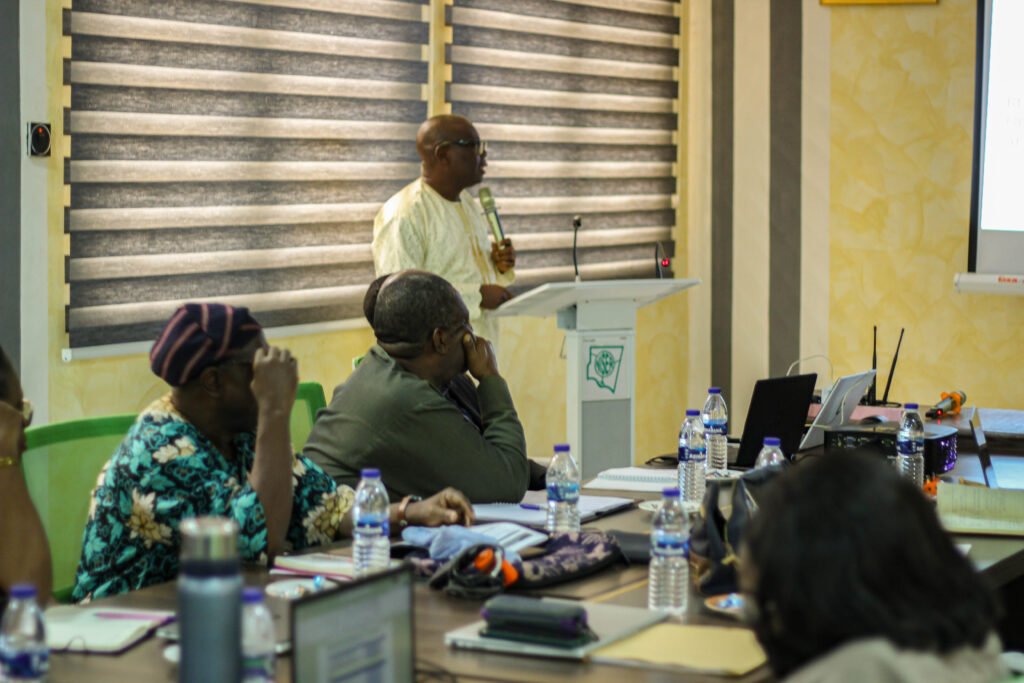
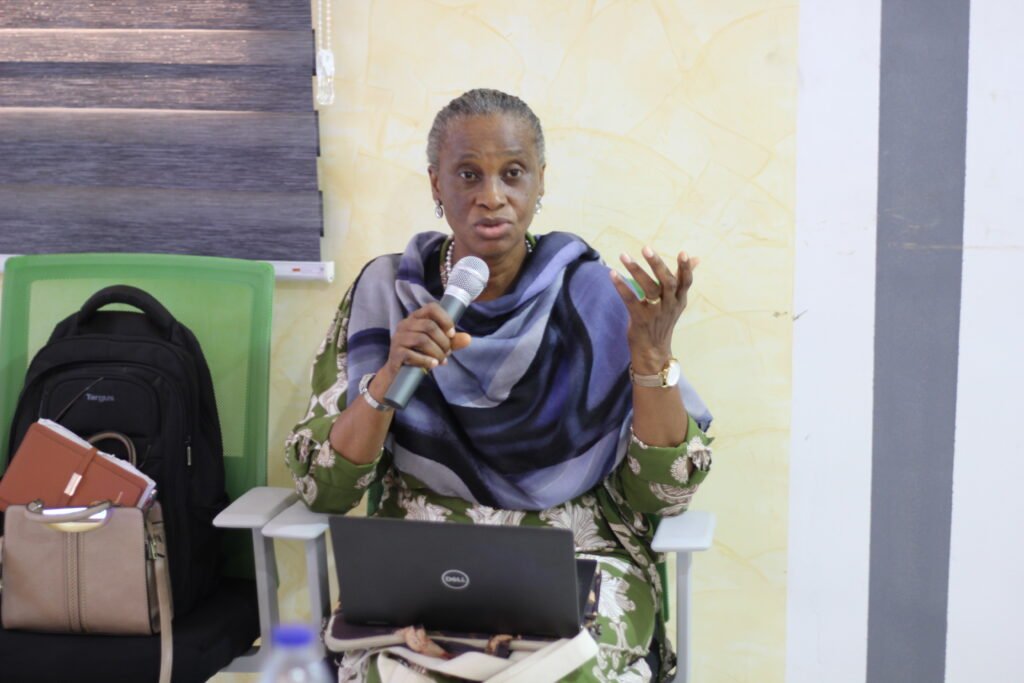
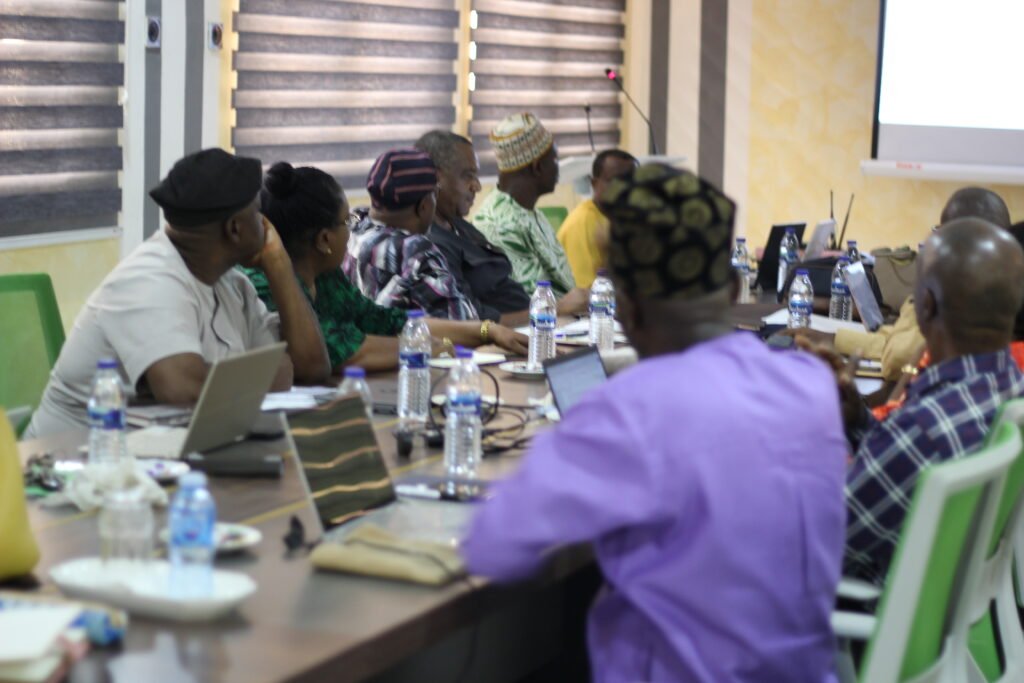
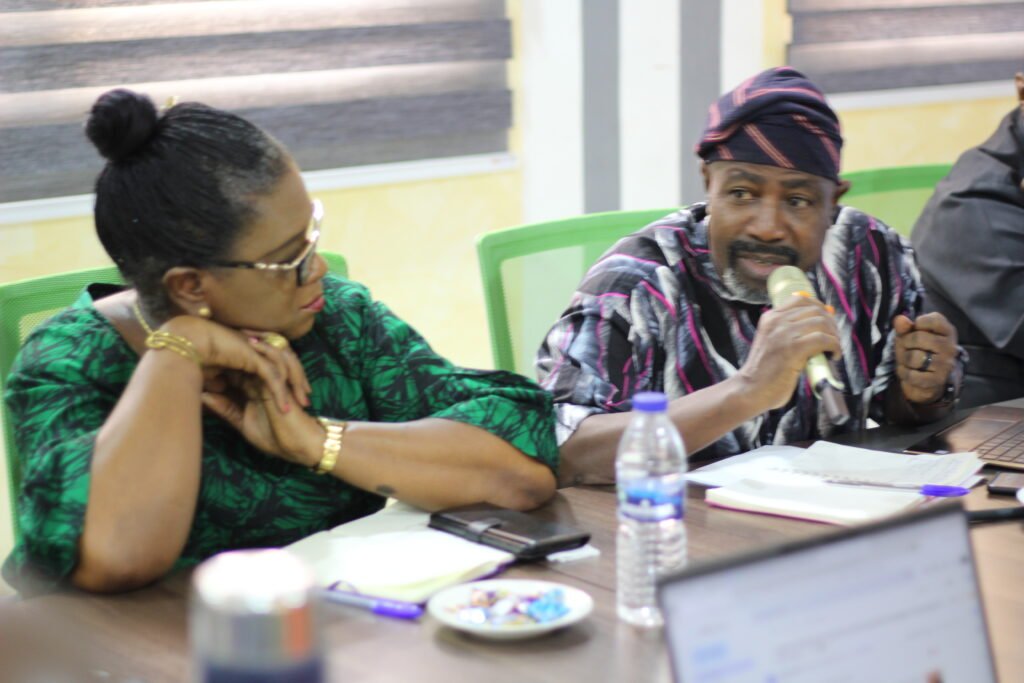
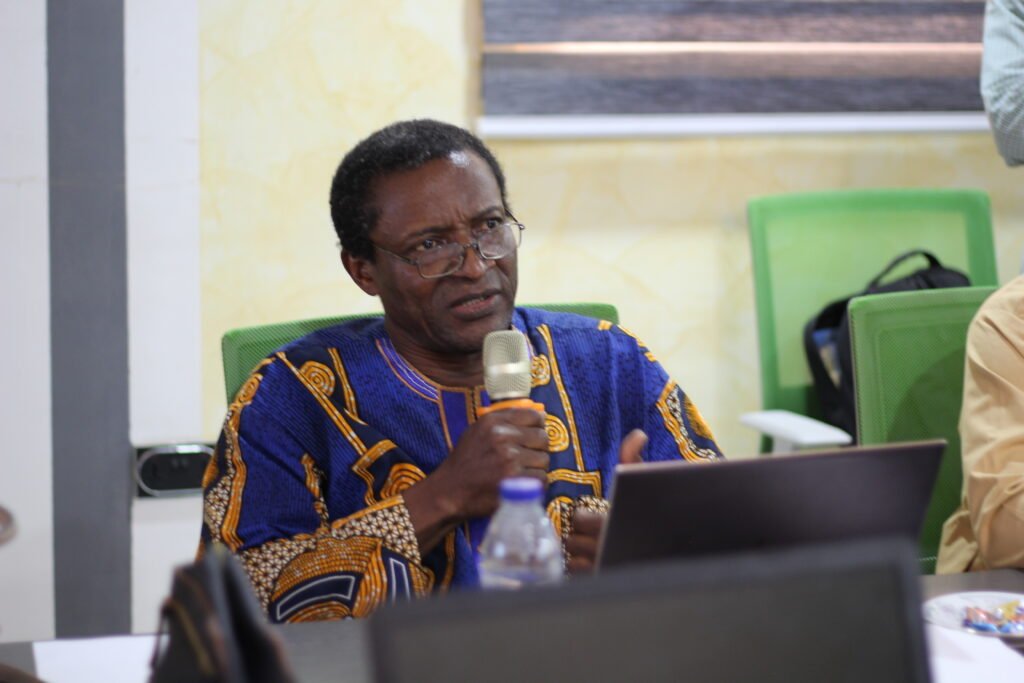
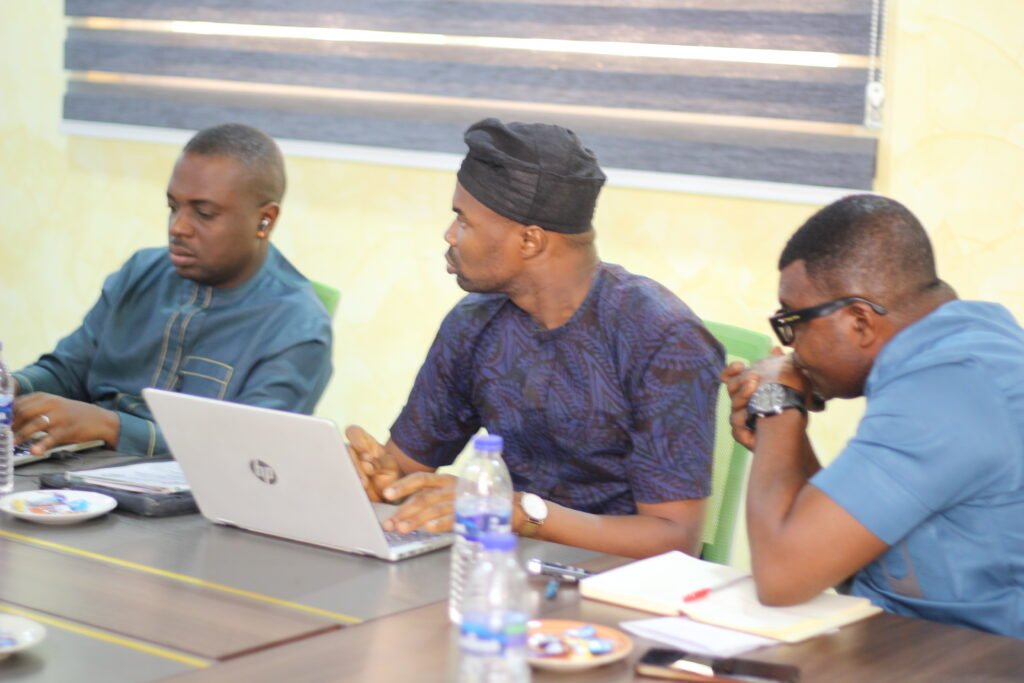
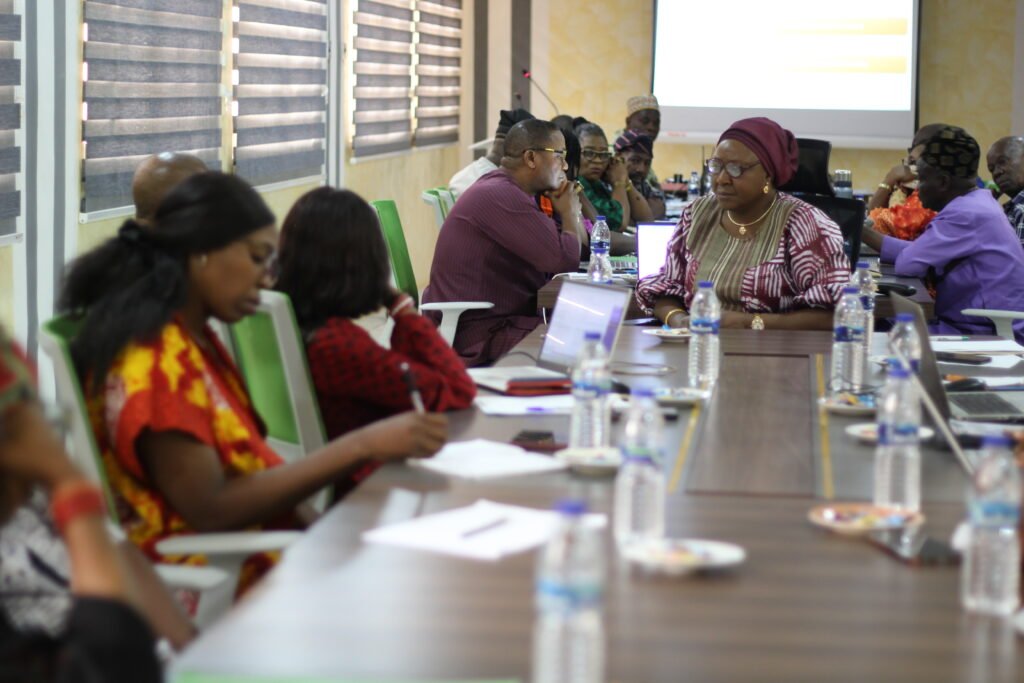
On March 18–19, 2026, the Management of the Nigerian Institute of Social and Economic Research (NISER) held a strategic retreat focused on “Repositioning NISER for Relevance, Sustainability, and Policy Impact (2026–2028).” The retreat provided an opportunity for institutional reflection and alignment on priorities for the coming years.

Discussions centered on strengthening NISER’s role as a leading policy research institution, with particular emphasis on enhancing its responsiveness to national development needs and improving its overall impact on public policy.

Key outcomes of the retreat include a renewed commitment to:

  • Strengthening institutional sustainability, including efforts to broaden funding sources and improve operational efficiency;
  • Enhancing policy relevance, by ensuring that research outputs are timely, demand-driven, and aligned with national priorities;
  • Expanding strategic partnerships, both within government and with external stakeholders, to support collaborative research and policy engagement;
  • Improving visibility and communication, through more effective dissemination of research and increased engagement with diverse audiences; and
  • Building internal capacity, to support innovation, efficiency, and long-term institutional growth.

The retreat reaffirmed NISER’s mandate as a key provider of evidence-based policy advice and underscored the importance of adaptability in an evolving policy environment.

Overall, the outcomes signal a clear institutional direction toward greater relevance, resilience, and impact in supporting Nigeria’s development agenda over the 2026–2028 period.

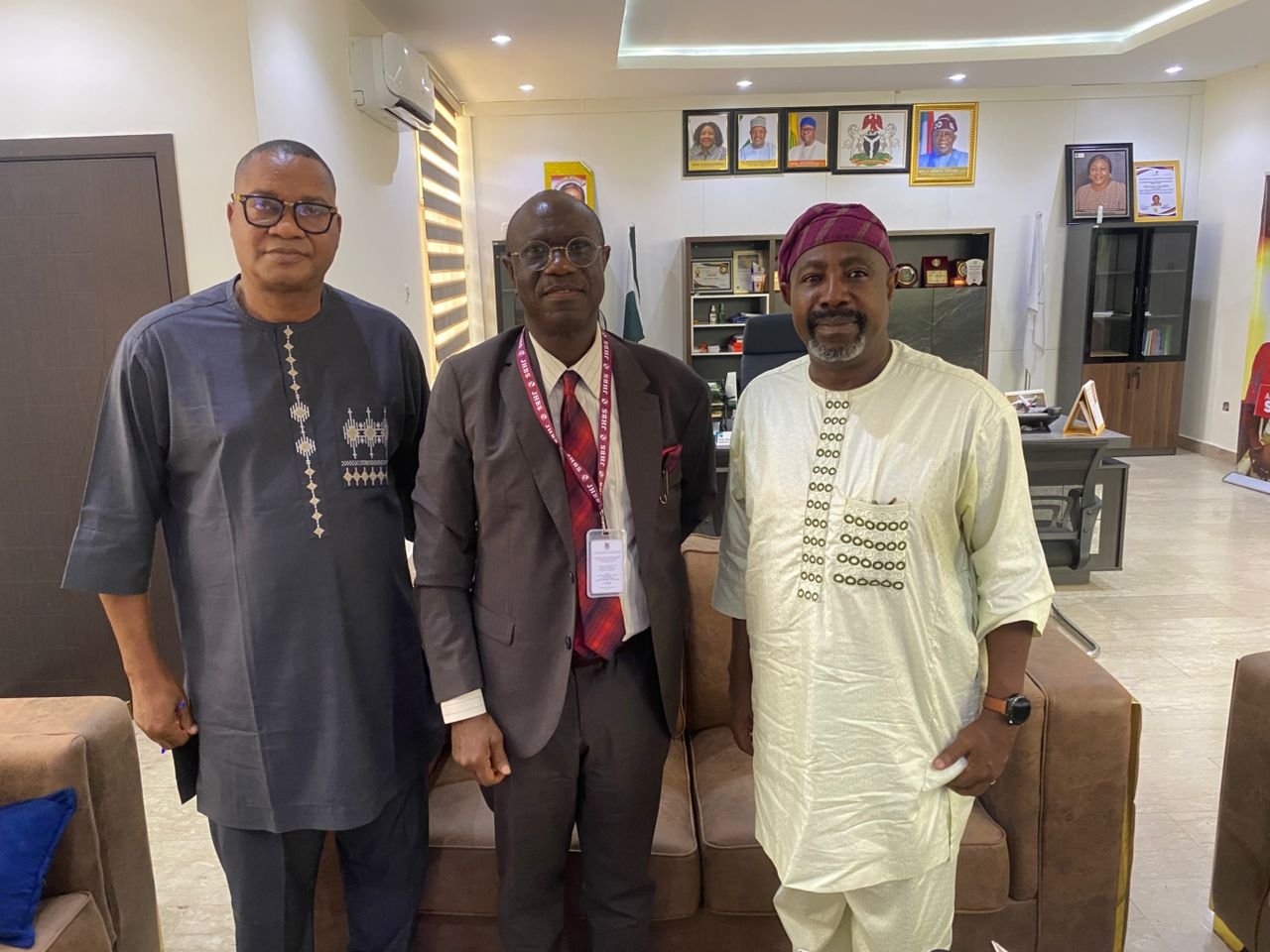
James Hope University Vice-Chancellor Pays Courtesy Visit to NISER
James Hope University Vice-Chancellor Pays Courtesy Visit to NISER

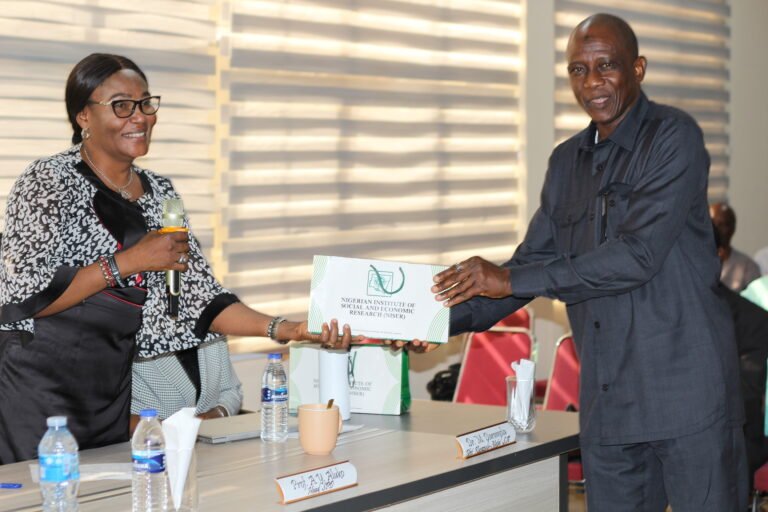
The Vice-Chancellor of James Hope University, Professor Olu Akinkugbe, recently paid a courtesy visit to the Nigerian Institute of Social and Economic Research (NISER) as part of efforts to strengthen collaboration between both institutions.

Professor Akinkugbe was received at the Institute by Professor A.O. Adesanya, Acting Director-General of NISER, alongside Professor A. Onwuemele, Head of NISER’s Knowledge Management Department, along with other senior officials.
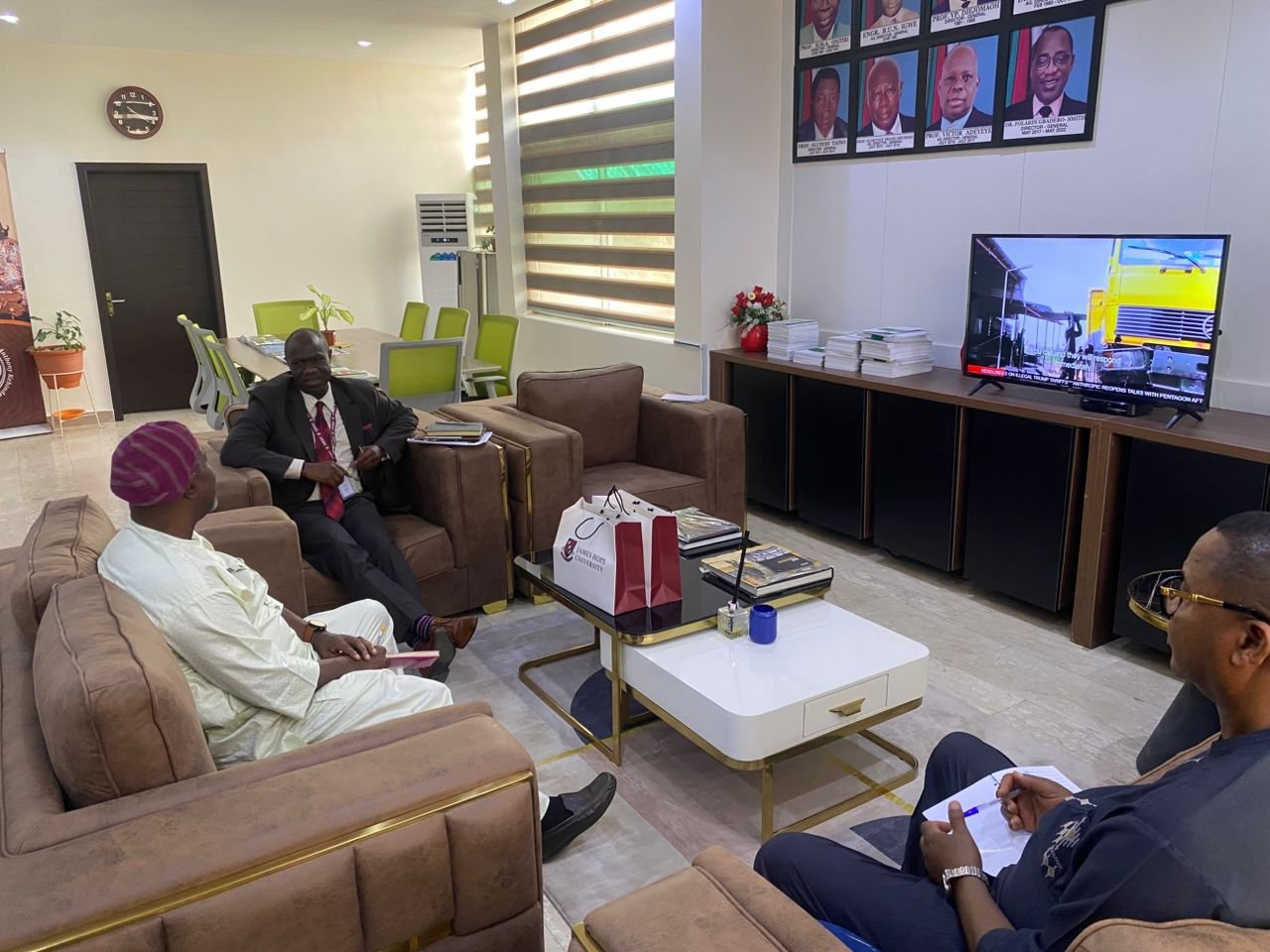
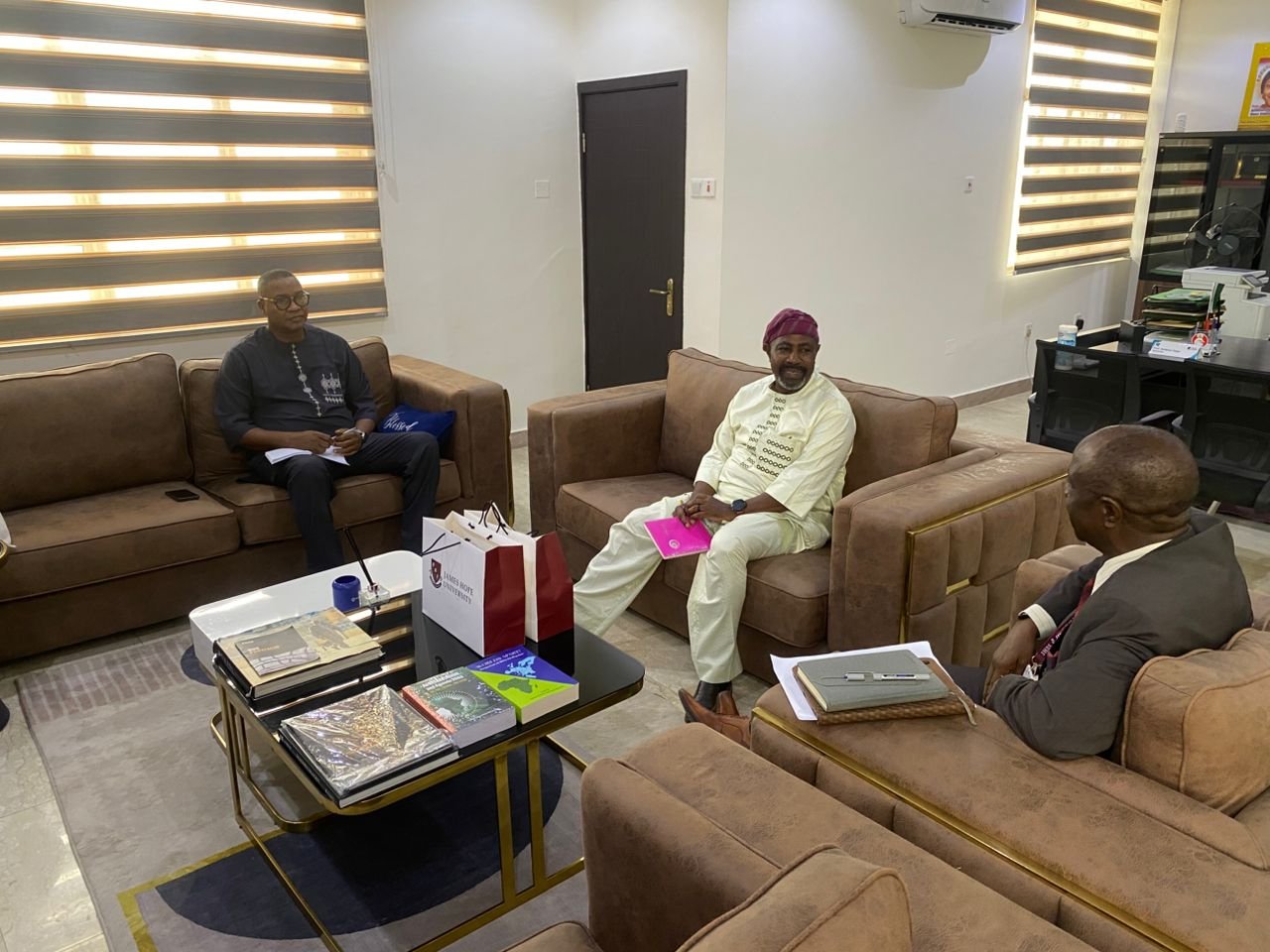
During the meeting, both institutions discussed potential areas of cooperation, including joint research initiatives, policy dialogue, and knowledge exchange. The engagement reflects a shared commitment to fostering partnerships that promote innovation, evidence-based policy, and national development.

The visit provided an opportunity for both institutions to explore ways of leveraging their respective strengths in research, training, and knowledge production to address socio-economic challenges and contribute to Nigeria’s development agenda.

NISER looks forward to the positive outcomes that will emerge from this engagement and the prospects for meaningful collaboration between both institutions.
Agenda 2063 and Africa EU Migration: Advancing Sustainable Development Pathways
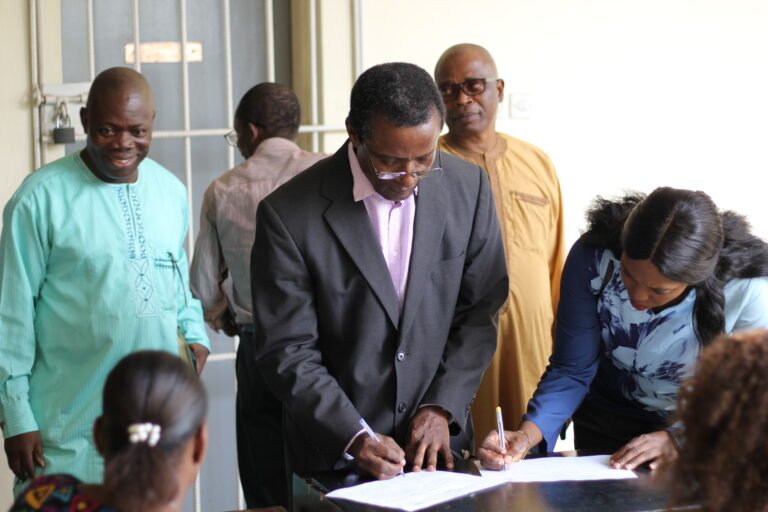
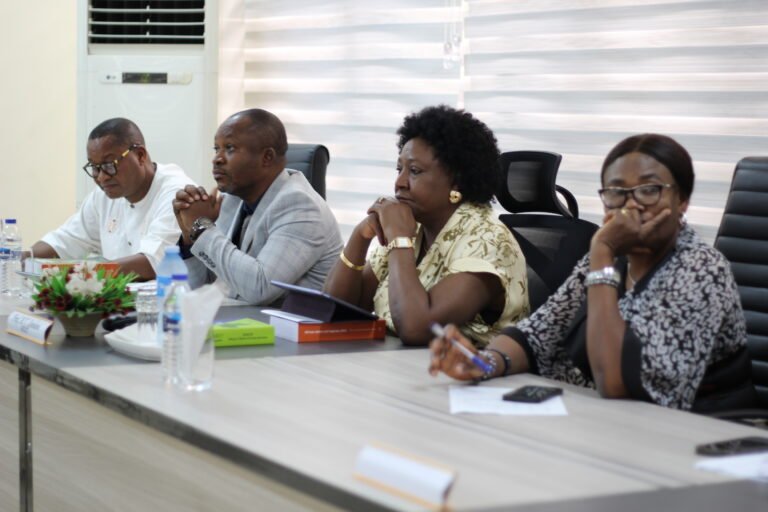
Agenda 2063 and Africa EU Migration: Advancing Sustainable Development Pathways
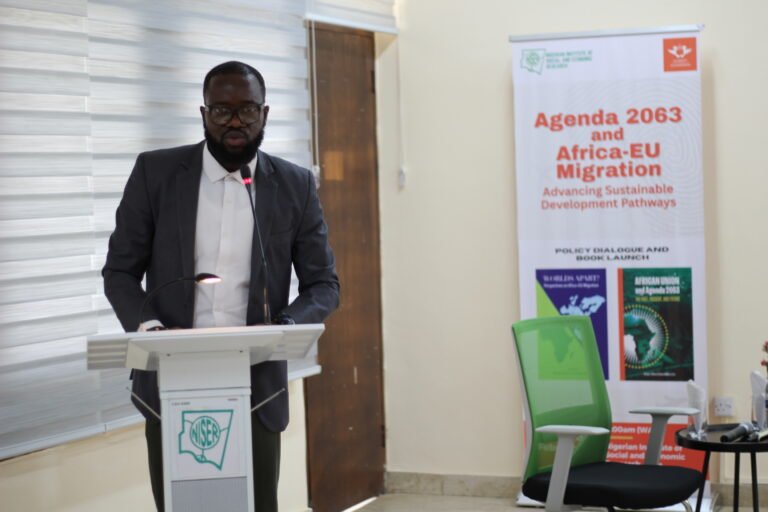
 

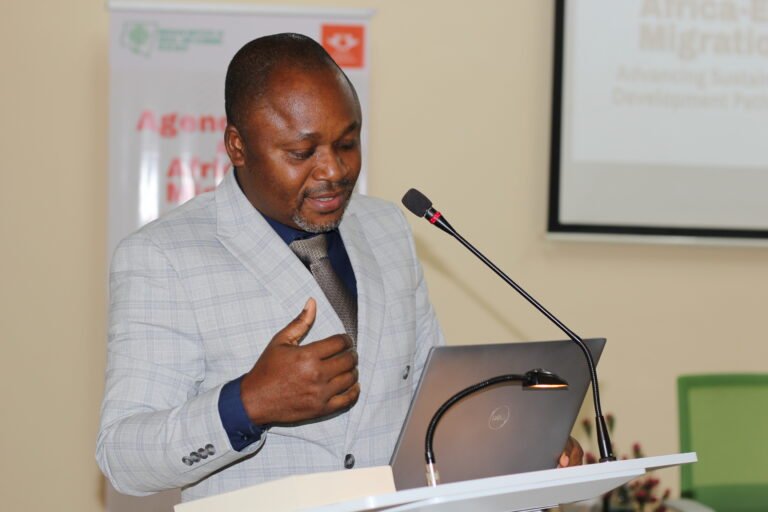
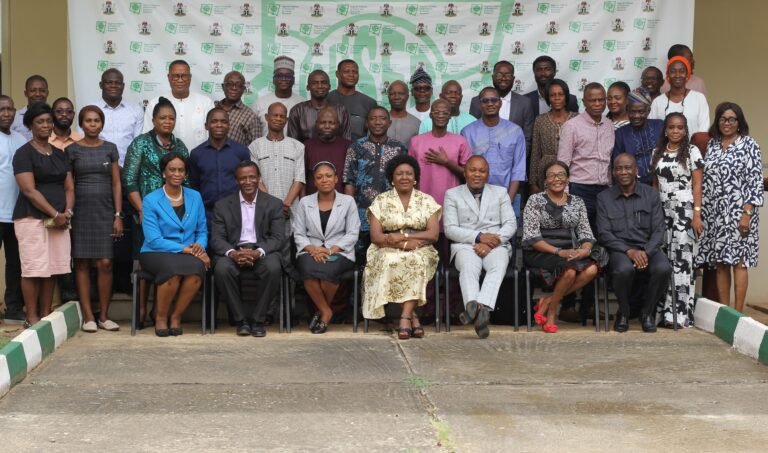
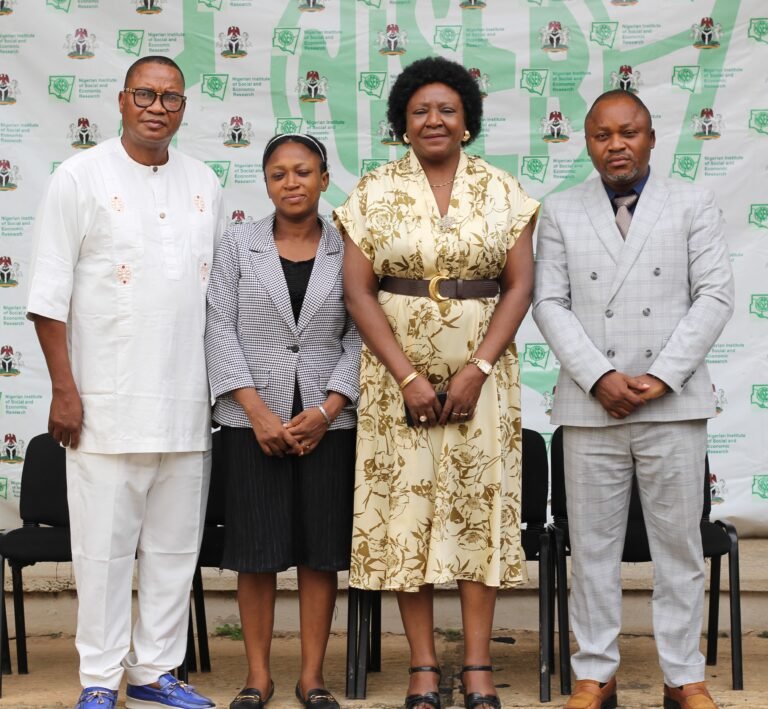
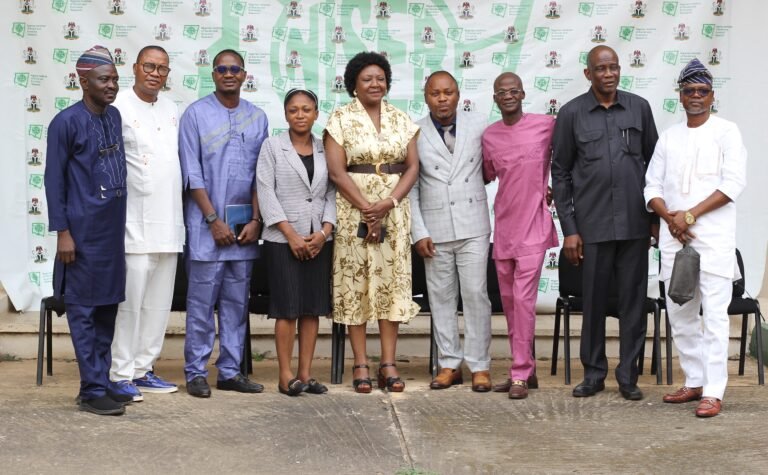
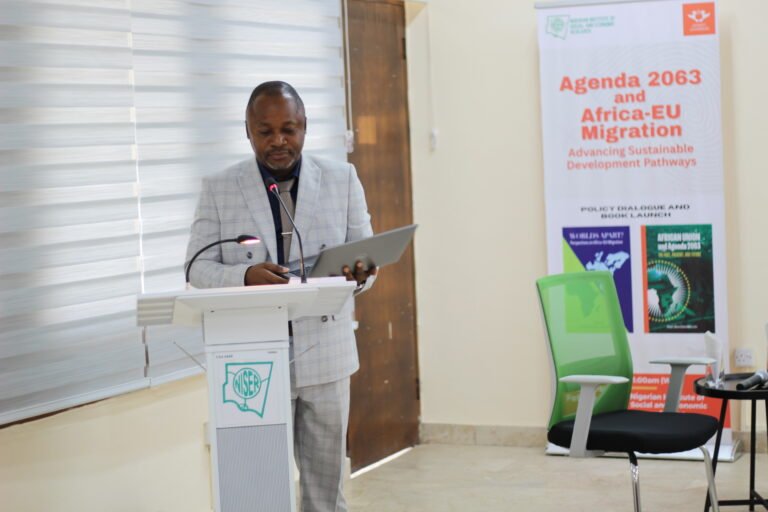
The Nigerian Institute of Social and Economic Research (NISER) recently hosted a rich and wide-ranging programme marking the public launch of two major publications — Worlds Apart? Perspectives on Africa-EU Migration, and African Union and Agenda 2063: Past, Present and Future, both edited by Professor Adeoye Akinola (University of Johannesburg, South
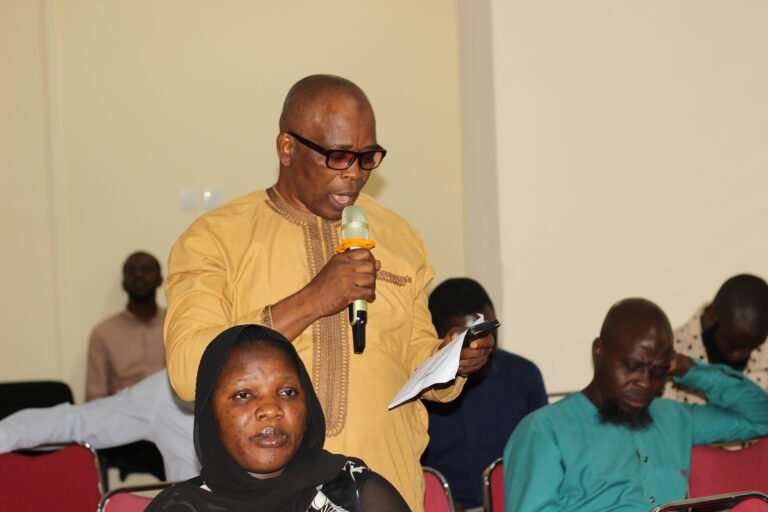
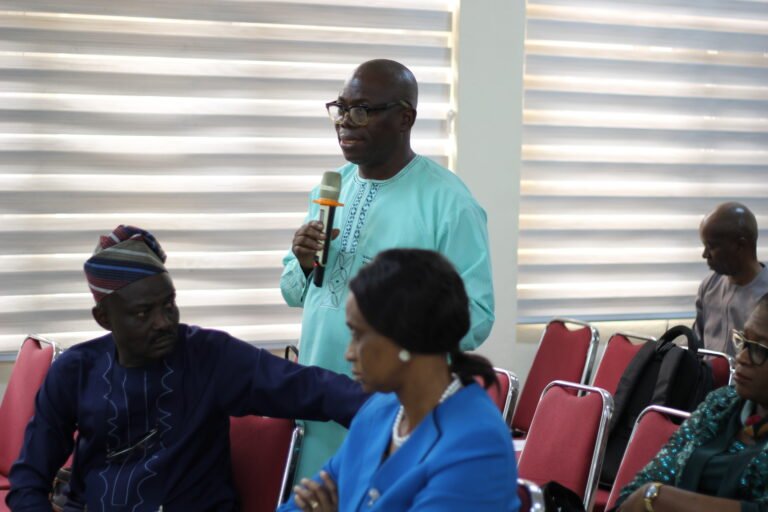
Africa). The event brought together scholars and researchers for a full day of presentations, panel discussions, and floor debates that were as candid as they were intellectually substantive.

Setting the Tone: The DG’s Opening Remarks

The programme was opened by the NISER Director General, Prof. A.T. Simbine, who framed the day’s discussions with characteristic clarity. Noting that governance progress has stalled across much of the continent — with security, rule of law, and democratic participation declining in several countries according to both the Mo Ibrahim Foundation’s 2023 Index and the World Bank’s 2024 governance indicators — the NISER DG argued that Agenda 2063 remains visionary precisely because implementation gaps remain so significant.

On the migration volume, she challenged dominant narratives, pointing out that contrary to political rhetoric suggesting a mass African exodus to Europe, most Africans who enter Europe do so through regular pathways — study visas, family reunification, and work permits. She also underscored the scale of Africa’s employment challenge: sub-Saharan Africa needs to create between 18 and 20 million jobs annually simply to absorb new labour market entrants. “Once Africa is transformed,” she remarked, “Nigeria will also, and other countries within the continent will benefit.”

First Presentation: Worlds Apart? — The Migration Question
Prof. Akinola opened the academic proceedings with a presentation on the book, Worlds Apart? Perspectives on Africa-EU Migration, grounding the discussion in sobering data. By the end of 2024, the world hosted 43.7 million refugees and approximately 123 million displaced persons — meaning roughly one in every 67 people is either displaced or a refugee. Between 2014 and 2025, more than 33,000 migrants died or went missing in the Mediterranean Sea alone, not counting those who perished crossing the Sahara or were enslaved along the way.

Prof. Akinola argued that migration has become a defining axis of Africa-Europe relations, assuming political and diplomatic dimensions that cut across development cooperation, counter-terrorism, climate governance, and demographic policy. The book, he explained, was born out of a research project initially funded by the German Foreign Office — with the frank admission that the funding was intended to develop policies to discourage African migration to Europe. The research team, however, used the opportunity to reframe the conversation: rather than treating migration as a security threat to be exterminated, they pushed to understand it as a developmental phenomenon.

Among the book’s key arguments: African migration is primarily driven by structural unemployment, not a desire to abandon the continent; most intra-continental movement stays within Africa; the 2015 “migration crisis” was driven largely by Syrian, not African, displacement; and every conversation about migration governance must include the voices of migrants themselves — not just the policymakers who categorise them.

Panel Session One: Push Factors, Pull Factors, and the Power of Remittances
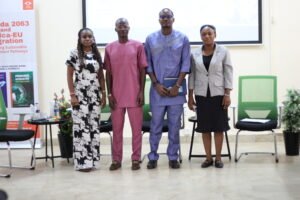
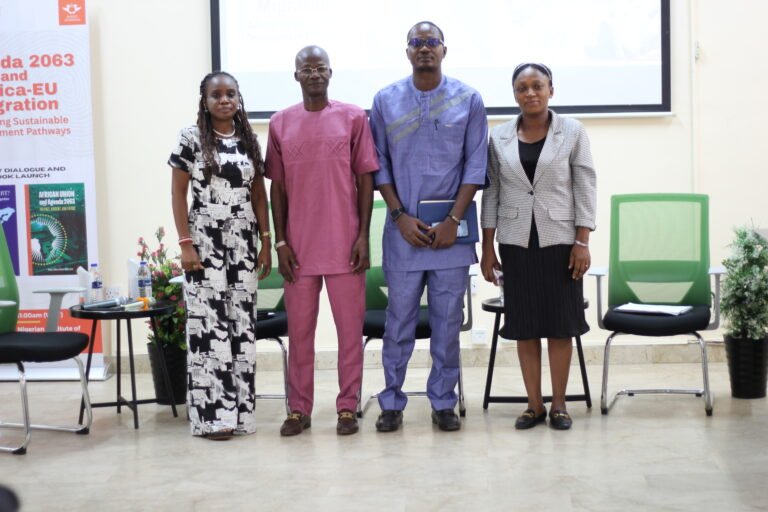
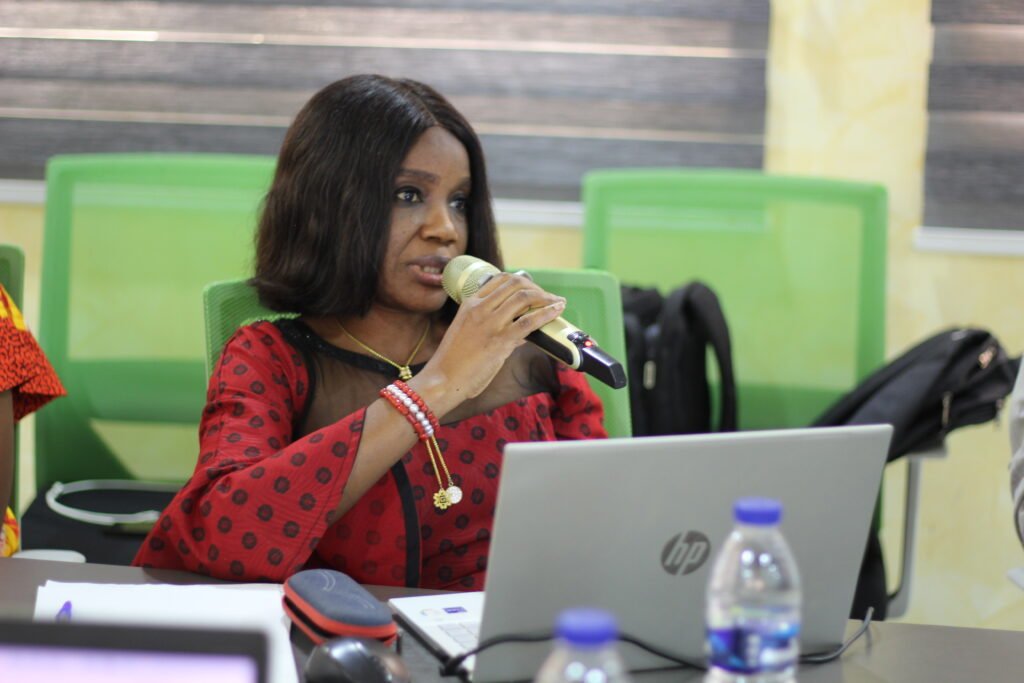
L-R: Dr Adebukola Daramola (NISER), Prof Omololu Fagbadebo (Durban University of Technology, South Africa), Dr U.A Ojedokun (University of Ibadan), and Dr Modupe Daramola (University of KwaZulu-Natal, South Africa)

The first panel, moderated by Dr Adebukola Daramola and featuring Dr U.A. Ojedokun, Prof. Omololu Fagbadebo, and Dr Modupe Daramola, probed the structural causes of irregular migration and the economic potential of diaspora remittances. Panellists identified poverty, insecurity, low wages, and governance failure as the dominant push factors, while better quality of life and economic opportunity remain the principal pull factors drawing Africans abroad.

The panel also confronted the uncomfortable asymmetry at the heart of Africa-Europe migration negotiations. Europe, it was noted, consistently seeks to securitise migration — treating it as an endemic threat to be eliminated — while African interests lie in harnessing its developmental potential, particularly through remittances. A diaspora study cited during the session found that migrants send an average of $2,000 USD monthly to families back home, prioritising rent, healthcare, and education. In some periods, African remittances have surpassed official development assistance.

Floor Discussions: The View from the Ground

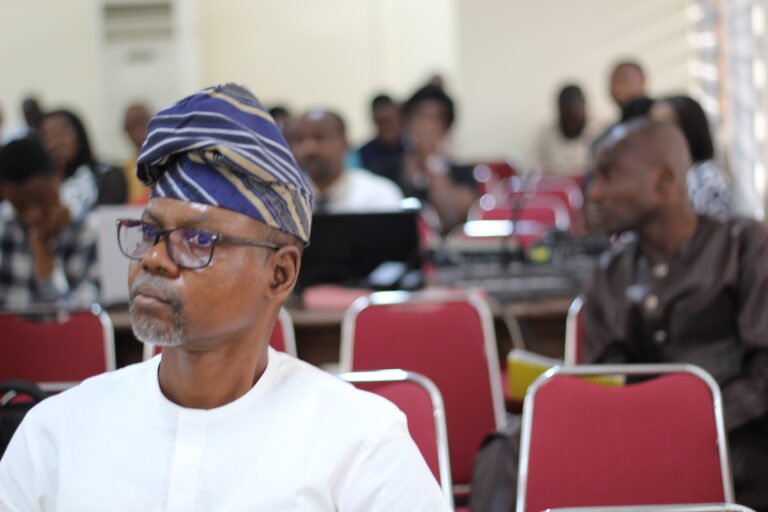
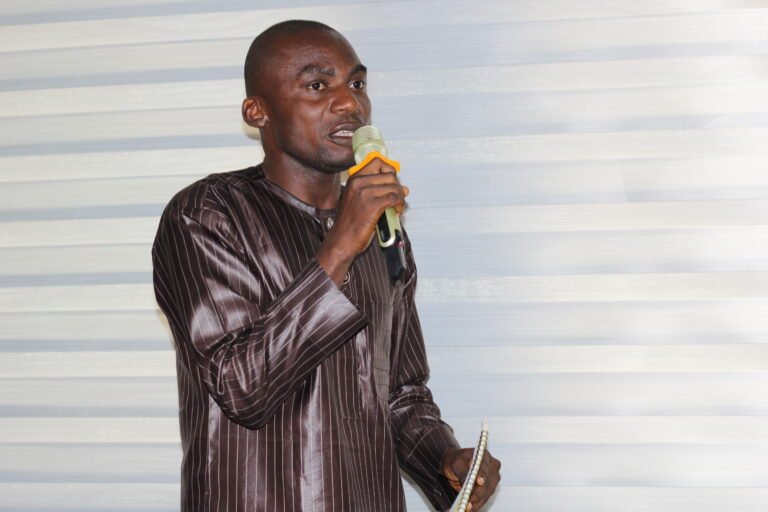
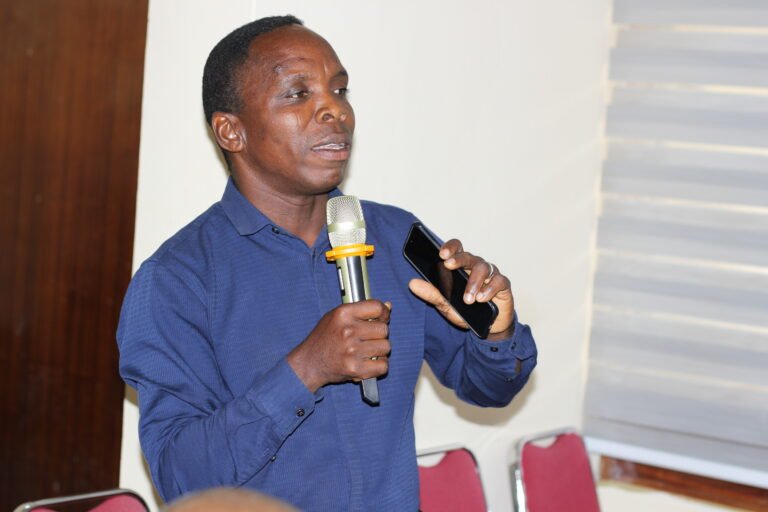
The floor discussions that followed were among the most animated of the day. One contributor, Prof Gbenga Sunmola, offered a memorable analogy: “Africa is an oven, the EU is a cool silo. You cannot keep people in an oven — no jobs, conflict, kidnapping, potential unrealised.” The bridge between the two, he argued, is fragile, and people fall crossing it. The solution, several contributors agreed, is not to police the bridge but to cool the oven.

Others challenged the historical framing of African migration entirely. European colonists arrived in Africa without visas and without restriction; the idea that African movement to Europe now constitutes a crisis, contributors argued, deserves far more historical interrogation than it typically receives. The floor also raised the urgency of widening legal migration pathways — with one contributor noting that if legal routes were more accessible, fewer people would risk their lives on irregular ones.

Second Presentation: African Union and Agenda 2063

Prof. Akinola’s second presentation introduced African Union and Agenda 2063, a 30-chapter volume drawing on contributions from 36 authors — deliberately chosen to include only Africa-based scholars, policy practitioners, retired diplomats, civil society actors, and African Union officials, in order to preserve local context and authenticity.

The book critiques Agenda 2063 not to dismiss it, but to take it seriously. Prof. Akinola acknowledged that the African Union’s flagship continental blueprint is both visionary and, in places, overambitious — noting that the AU continues to rely almost entirely on external funding, including for staff salaries, while its headquarters building in Addis Ababa was built by China and expanded by the United States and Germany. “How do you negotiate with the German government on migration,” he asked pointedly, “when you are sitting in a German-funded house?”

Despite these structural constraints, the book argues for cautious optimism. Africa’s strength, Prof. Akinola suggested, lies not just in its institutions but in the 1.4 billion people those institutions are meant to serve — and in the growing convergence of academic, policy, and civil society voices committed to the continent’s transformation.

Panel Session Two: Can Africa Own Agenda 2063?

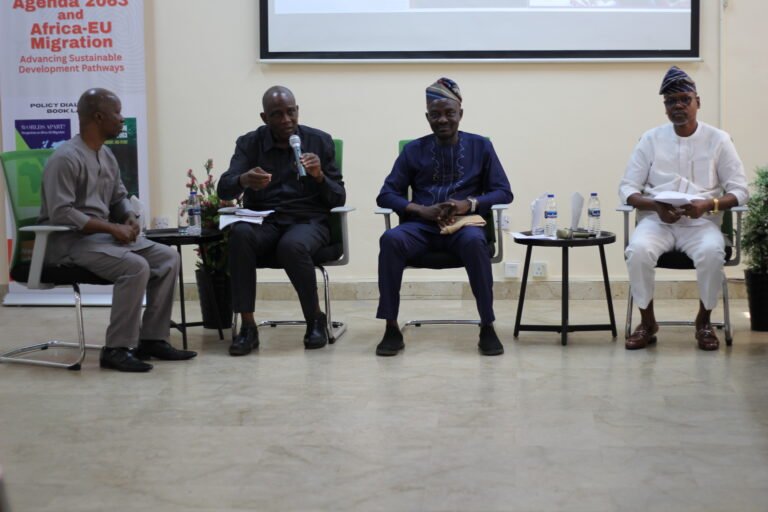
L-R: Prof Godwin Akpokodje (NISER), Prof Dhikru Yagboyaju (University of Ibadan), Prof Abubakar Oladeji (NISER), and Dr Hakeem Tijani (NISER)

The second panel — featuring Prof. Abubakar Oladeji, Prof. Dhikru Yagboyaju, and Dr Hakeem Tijani, and moderated by Prof. Akpokodje — tackled the difficult question of whether Africa can genuinely take ownership of its own continental agenda.

Panellists were honest about the obstacles. Most African national budgets are not aligned with Agenda 2063. The AfCFTA, one of the agenda’s flagship programmes, was built on assumptions of a perfectly competitive market that do not reflect African economic realities. Intra-African trade remains critically low, with the continent’s three largest economies — Nigeria, Egypt, and South Africa — accounting for roughly 51% of continental GDP. The heterogeneity of African economies makes a one-size-fits-all trade framework deeply challenging.

Yet the panel also identified pathways forward: investment in digitalisation and technology as enablers of job creation; stronger incentive structures for governments to domesticate continental agendas; and the urgent need for African researchers and institutions to understand African markets on their own terms, rather than through externally generated data and frameworks.

A Day of Honest, Necessary Conversation

What distinguished this programme was its refusal to retreat into comfortable abstractions. Speakers and floor contributors alike were willing to name the contradictions — between ambition and capacity, between continental solidarity and national sovereignty, between the migration experienced and  the migration narrated.

Both publications launched on the day align with NISER’s commitment to supporting policy-relevant knowledge that is rooted in African realities, legible to African audiences, and actionable for African institutions.

NISER DG Attends 10th Edition of School for Think Tankers
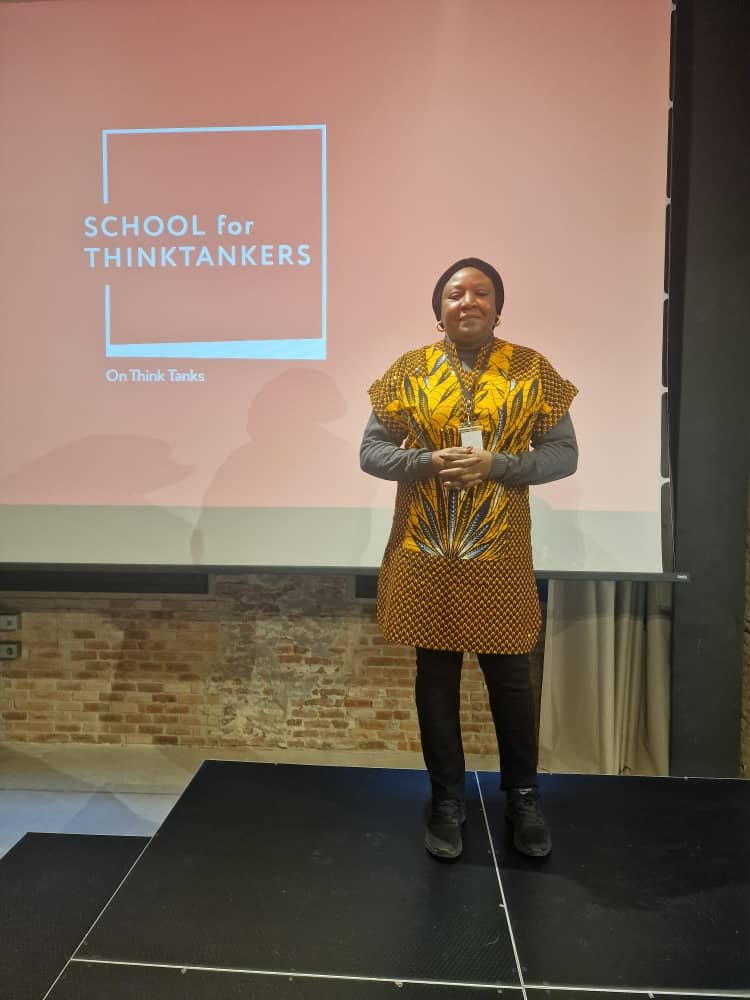
NISER DG Attends 10th Edition of School for Think Tankers


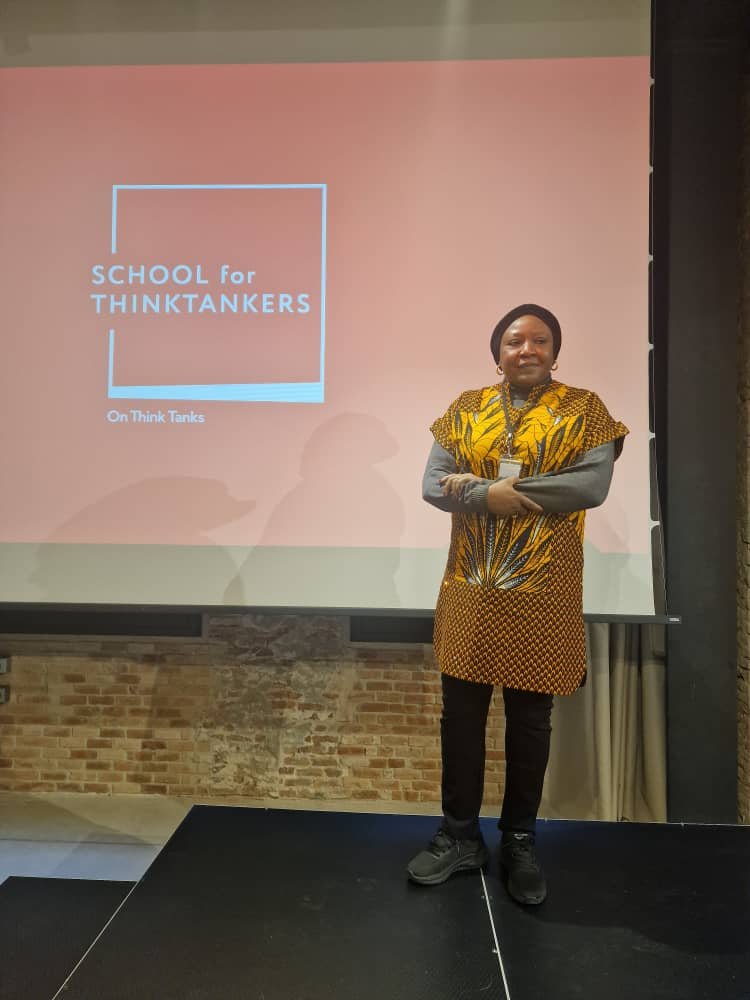
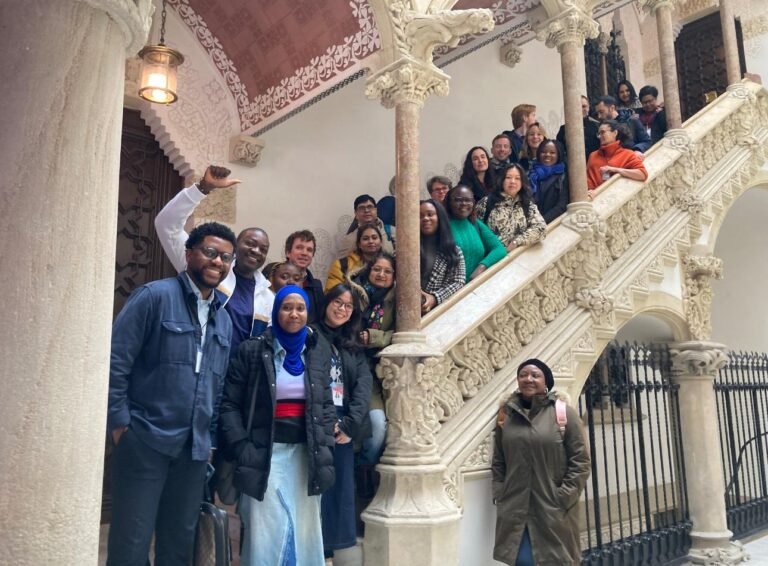
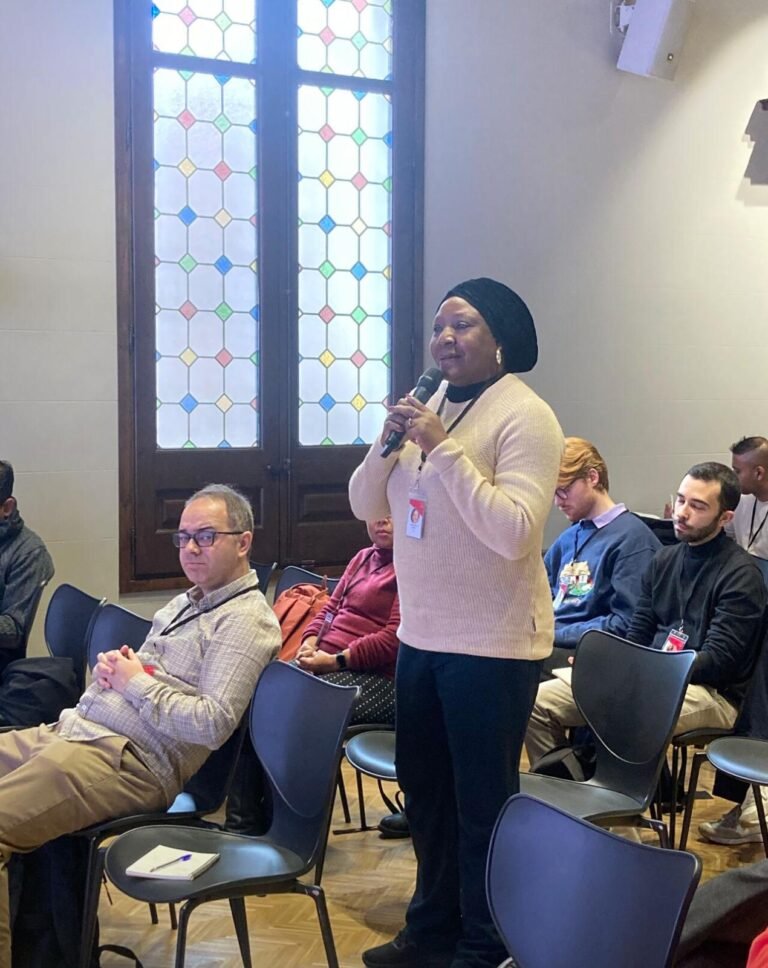
The Director-General of the Nigerian Institute of Social and Economic Research (NISER), Prof. Antonia Taiye Simbine, is participating in the 10th edition of the School for Thinktankers, currently holding at Fundació Bofill, Barcelona, Spain.

The immersive 5-day onsite programme brings together leaders of think tanks from around the world to deepen capacity in good governance, financial sustainability, strategic communications, and policy influence.

Prof. Simbine’s participation reinforces NISER’s commitment to institutional excellence, leadership development, and evidence-driven policy engagement at national and global levels.
Universities and the Development Question in Nigeria by Prof Antonia Simbine
This article originally appeared in the January 2, 2026 edition of The Guardian.

I speak on a matter that lies at the very heart of Africa’s developmental aspirations: “Universities and the Development Question in Africa”. The theme is both timely and profound. Across the continent, our universities, once the beacon of enlightenment and drivers of modernisation have come under intense scrutiny for their declining relevance to societal transformation. This gathering offers an invaluable opportunity to interrogate the state of higher education in Africa, revisit its philosophical foundations, and reimagine its role in catalysing development in our nations.

To begin, let us briefly trace the historical context of the university in Africa. Drawing on Peter Ekeh’s analysis of colonial social structures, we can understand universities as both transformed indigenous institutions and migrant structures. Although colonial powers introduced Western models of education, history shows that Africa had its own ancient centres of higher learning e.g. Al-Qarawayyin University in Morocco (859 AD), Al-Azhar in Egypt (972 AD), and Timbuktu in Mali (982 AD).

This underscores a fundamental truth: knowledge production is deeply rooted in Africa’s intellectual heritage. Yet, the post-colonial legacy reshaped universities into instruments for administrative convenience and manpower training rather than or as well as engines of innovation and self-reliant development. Today, we must ask, to what extent have African universities fulfilled their historic mission of advancing knowledge for societal progress?

Al-Qarawayyin University in Morocco (iStock Photo)

Traditionally, a popular and enduring pseudonym for the universities is the Ivory Tower, which connotes a society secluded from a larger society or community, prominent for its lofty values, superior intellect, and serenity. Put differently, it is a sanctuary of excellence, higher morality, and incorruptible intellect. Dr. Pius Okigbo provided another classic metaphor of the university when he referred to it as a Temple, during his 1992 University of Lagos Convocation Lecture titled, “The Crisis in the Temple.” This reminds of its sacred duty to uphold truth and guide society. Thus, the traditional ideals of the University encapsulate a plethora of values that suggest it is a hallowed space, one characterised by higher morality, principled behaviour, uncompromisable standards, and incorruptibility.

Unfortunately, as Okigbo lamented, the “Temple” has been desecrated — by poor governance, underfunding, and moral decline. Based on what they ought to be, the University is central to the development and emancipation of the larger society in which it is situated. Due to its superior intellectual culture, it is respected and expected to provide the resources needed in national development in three fundamental ways.

One is human capital formation. The universities train the skilled workforce essential for every sector — from health to technology and administration. Two is knowledge production and innovation. They conduct basic and applied research that drives industrial growth, health breakthroughs, and technological advancement. They also serve as nodes in knowledge networks (both domestic and international). Three is institutional and social development. They nurture civic culture, shape public policy, preserve culture, and foster critical citizenship, supporting governance (through think‐tanks, consulting, policy support), preserving cultural heritage, etc.

The degree and extent to which our universities perform these functions determines their relevance to national and continental transformation. Narrowing to the Nigerian example, which, to a large extent, reflects the general narrative of the university system on the continent, albeit as one of the worst markers. The University, as an institution in Nigeria and Africa, has slipped from the once lofty and enviable heights to one that currently struggles to provide a lighthouse for development in society. To chronicle this, a brief overview of the evolution of universities in Nigeria will be explored.

University of Ibadan (founded as University College, Ibadan in 1948)

Nigeria’s university system exemplifies Africa’s broader trajectory. Its evolution can be divided into four phases, namely, the Golden Age (1948–1976), the Period of Military Disruptions (1977–1989), the Post-Adjustment Era (1990–Present), and the Emergence of State and Private Universities. The establishment of the University College, Ibadan, in 1948 marked the dawn of modern higher education in Nigeria. The early years were marked by excellence, as Nigerian universities attracted students globally, research thrived, and funding was adequate.

This was the period when universities genuinely served as lighthouses for national development.

The “Ali Must Go” crisis of 1978 symbolised the growing disconnect between students, universities, and the state. Military rule introduced repression, funding cuts, and politicisation. The autonomy of universities was eroded, and repeated strikes by ASUU reflected the deepening crisis. As one scholar put it, this was when “the pen was made subservient to the sword.”

The Structural Adjustment Policies of the central government reduced education to a “private good,” leading to chronic underfunding and the commodification of learning. Universities were forced to generate internal revenue through tuition and poorly designed programmes, at the expense of research. The results are visible such as decaying infrastructure, low morale among lecturers, and the mass exodus of talent.

Perhaps the decay in public universities led to the expansion of universities since the 1980s was meant to democratise access. Yet, unplanned proliferation and weak regulation have further diluted quality. Today, Nigeria has 308 universities (74 Federal, 66 State and 168 Private). Unfortunately, too few are globally competitive.

Persistent Challenges

Several structural and systemic problems continue to undermine the university system.

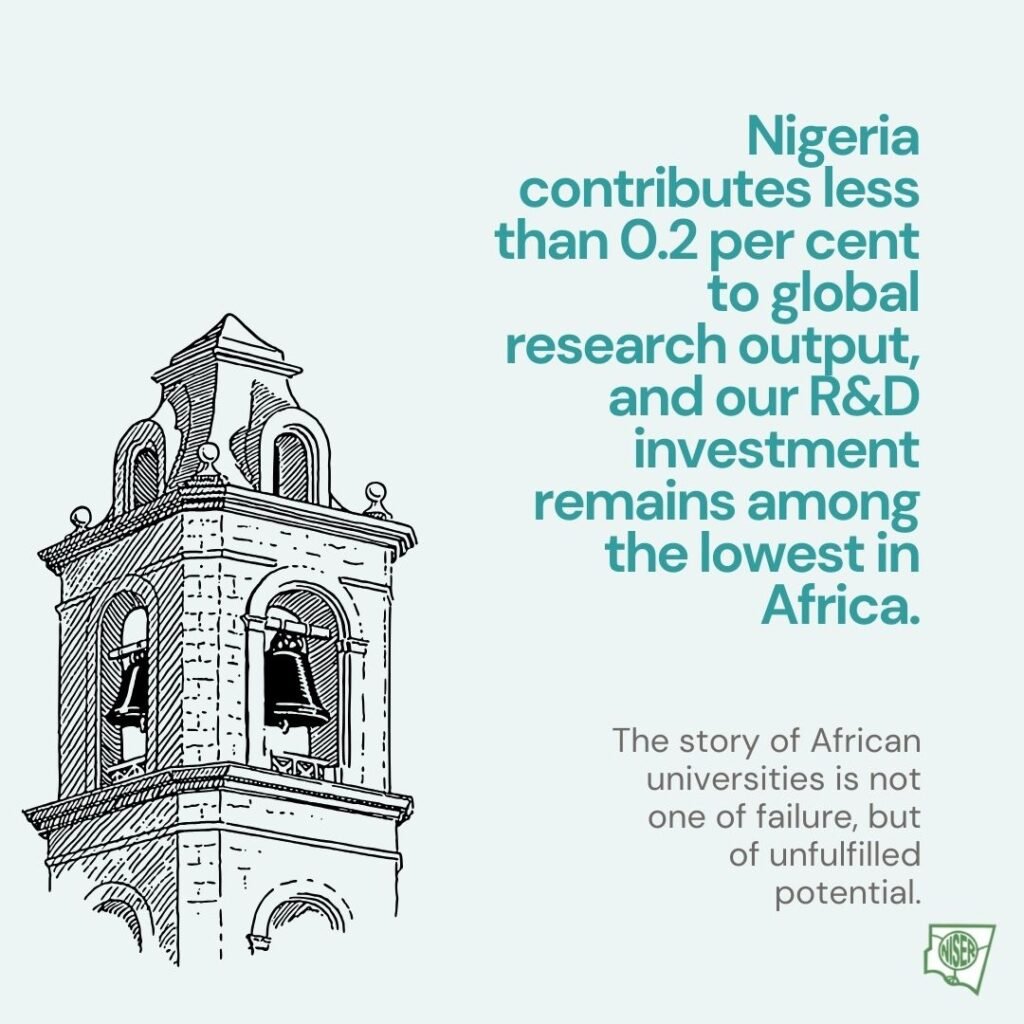
These include weak research capacity, brain drain, governance and autonomy deficit; funding gaps, and declining students’ intellectual capacity. Nigeria contributes less than 0.2 per cent to global research output, and our R&D investment remains among the lowest in Africa. Thousands of scholars migrate abroad due to poor remuneration and lack of facilities, eroding institutional memory and innovation. At the same time, programmes are disconnected from contemporary economic and technological realities. Political interference in appointments and resource allocation has weakened university governance while national education budgets far below the UNESCO-recommended 26 per cent, universities struggle to maintain laboratories, libraries, and staff welfare.

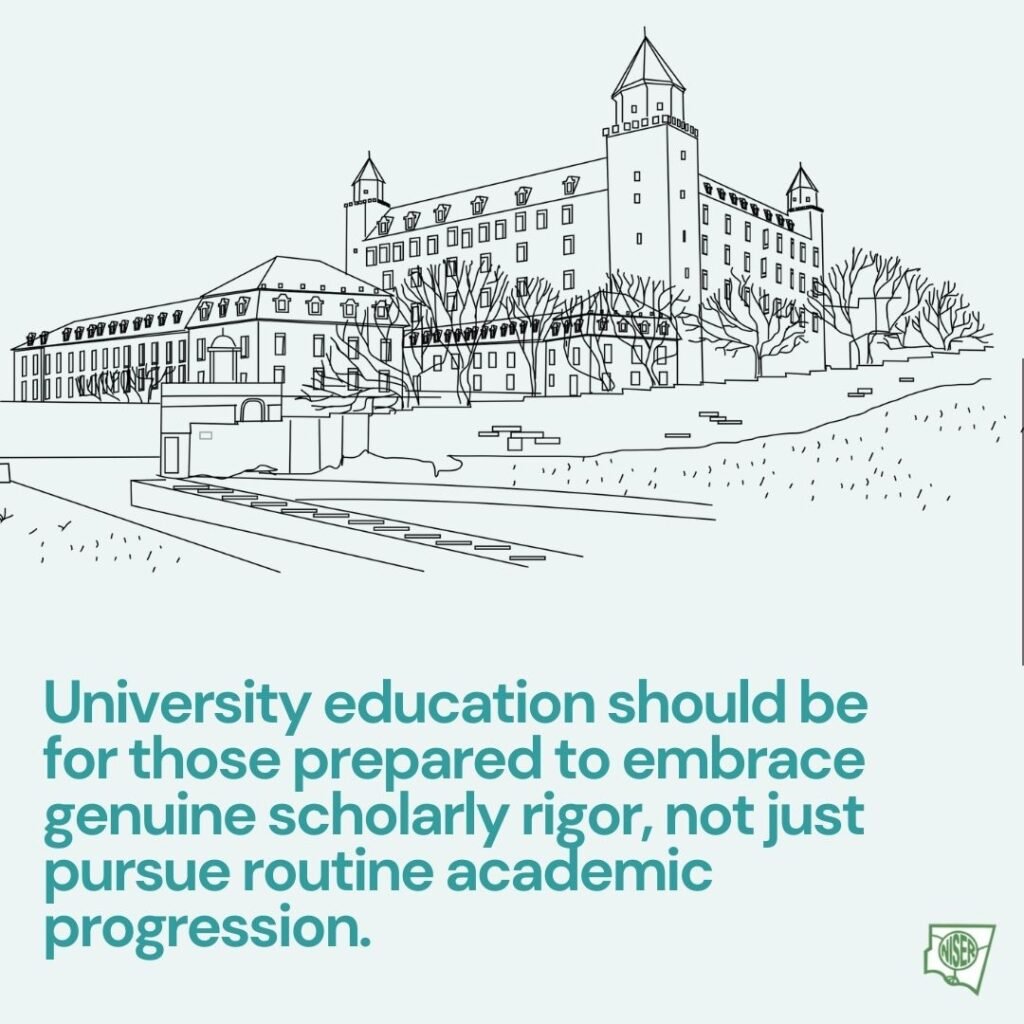
Above all, there is the declining intellectual disposition of many students seeking admission. University education should be for those prepared to embrace genuine scholarly rigor, not just pursue routine academic progression. Poor reading culture and aversion to intellectual engagement of newspapers, and other academic resources undermine the system’s ability to drive societal transformation. Consequently, public trust in the university system has eroded. Employers increasingly question graduate competence, citing poor communication, and analytical, and digital skills. Moreover, incessant strikes (over 16 major ones in 23 years), have crippled academic calendars and diminished global respect for Nigerian degrees.

The Paradox

As much as we deride the system for its waning quality, its exports make global waves, contributing immensely to the development of foreign countries, while also attaining heights of global acclaim, a foundation laid by the Nigerian university system.  Therefore, while several hiccups may encumber the university system in Nigeria, it still holds enormous promise and capacity to produce talents that can help drive development in key sectors of the Nigerian economy and society, as evidenced by their contributions abroad.

Consequently, the question is what can be done to retain these talents and have them contribute their quota to national development?  The global lesson is that universities are integral to national development strategies. In Singapore, the National University and Nanyang Technological University have powered the country’s leap into a knowledge economy. In Europe, universities like Oxford and King’s College London led global research during the COVID-19 pandemic.

These examples show what is possible when governments invest strategically in higher education and align university research with national priorities. Africa’s universities must emulate such models by strengthening partnerships with industry, promoting applied research, and prioritising innovation that addresses local needs in areas such as energy transition to food security and digital transformation etc.

Despite the grim outlook, there are encouraging developments. The University of Cape Town achieved the first open-heart surgery in Africa. In addition, several of the first-generation higher institutions in Nigeria have achieved internationally acclaimed research excellence. Examples include the University of Ibadan in medical research, economics, and anthropology; Ahmadu Bello University in agriculture; Obafemi Awolowo University in the Arts; and the Yaba College of Technology in technological sciences and engineering.

Lagos State University, our host, was once ranked in 2021 among the world’s top 600 universities (according to 2020 Times Higher Education World University Rankings), a remarkable feat for a relatively young institution. Nigerian academics have also shaped developmental outcomes both in Nigeria and the continent at large. Reforms at the Independent National Electoral Commission (INEC), for example, were driven by scholars like Professors Attahiru Jega, Adele Jinadu, Okey Ibeanu, and others from our universities. Such examples remind us of the enduring power of the academy to innovate and serve the nation.

The Way Forward

The way forward requires policy and institutional reforms that should anchored on sustainable and predictable funding, institutional autonomy and meritocracy, research-driven postgraduate education, curriculum relevance and pedagogical reform, and strategic partnerships and collaboration. The emergence of public universities in Nigeria was guided by a visionary philosophy; that education is the foundation of national development.

To restore that vision, we must embrace a new social contract for higher education. Governments must treat higher education as a strategic investment, not a budgetary burden. Public and state universities, in turn, must demonstrate accountability and align their missions with societal needs. Universities must be empowered to recruit, promote, and reward based on merit. Bureaucratic and political interference must give way to professional governance that values excellence and innovation.

Postgraduate programmes must become the bedrock of national research and innovation. This requires curriculum reform, improved supervision, and alignment with key development priorities. African universities should shift from rote learning to problem-solving, experiential, and outcome-based education. As Fredua-Kwarteng (2021) and Paulo Freire (1968) argue, education must liberate, not just inform. Can we move from course content to determining student learning outcomes?

Universities must strengthen partnerships with industry, the diaspora, and global knowledge networks to enhance research impact, funding, and innovation. These reforms, if pursued with sincerity, can reposition our universities as engines of national development rather than relics of colonial modernity.

The point must be made in conclusion that the story of African/Nigerian universities is not one of failure, but of unfulfilled potential. Our challenge today is to reclaim the moral, intellectual, and developmental purpose of the university. We must restore it as a sanctuary of ideas, innovation, and integrity, a space where Africa’s future is imagined, debated, and built. Let us leave this conference not only with lamentations but with renewed hope and determination to reignite, reform and revitalise our universities. Governments must commit resources; academics must recommit to excellence; students must embrace scholarship as service; and society must value the intellectual as the builder of nations. If we succeed, the African university will once again stand tall not as a shadow of its colonial past, but as a true catalyst for the continent’s rebirth and prosperity.


Prof. Simbine is the director general, Nigerian Institute of Social and Economic Research (NISER). She presented this keynote paper at the 6th Faculty of Social Sciences Conference, Lagos State University, Ojo, Lagos, on November 18-19, 2025.

How can we help you?

Contact us at the NISER office nearest to you or submit an inquiry online.

On behalf of NISER, I would like to welcome you to the institute’s website, which presents the institute’s profile, activities, and output. NISER is an agency of the Federal Ministry of Budget and Economic Planning and receives supervision specifically from the ministry.
Prof. Antonia Taiye Simbine
Director-General
Do you have any questions or need more information?