
THE INFORMAL SECTOR AND ECONOMIC DEVELOPMENT IN NIGERIA
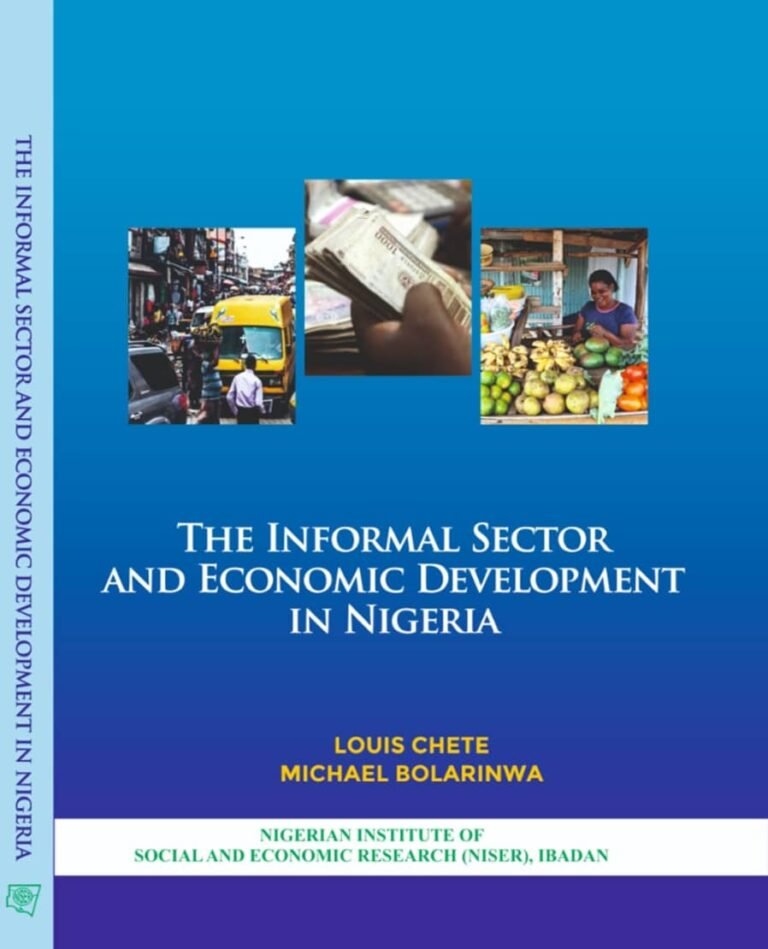
Nigeria’s informal sector has, in the last two-and-half decades, generated considerable interest at both intellectual and policy levels. (Mustapha, 1992, Schneider, 2001 and Chukwuezi, 2010). The informal sector constitutes a source Of livelihood for many households and communities and provides a wide range of services. It is not surprising that interest in the sector has arisen for a better understanding of the size and structure of the sector, Its interface with the formal sector, the role it can play in social and economic development and how to boost its performance. Despite the efforts stakeholders have made, a broad-based knowledge of the sector is still lacking, and policy initiatives are yet to provide a fillip for the sector. A robust and dynamic informal sector can contribute significantly to the GDP, create employment, and reduce poverty. However, there remains significant contention about the character and appropriate role of the informal sector in the Nigerian economy.
The broad objective of the study is to characterise the informal sector of the Nigerian economy and assess the contribution of the sector to economic development in the country. The knowledge of the sector will assist in articulating sectoral policies for accelerating the development of the country.
Download the Executive Summary at the link below.
To purchase this publication, contact:
NISER Knowledge Management Department
+234 813 056 9041
+234 813 903 9947