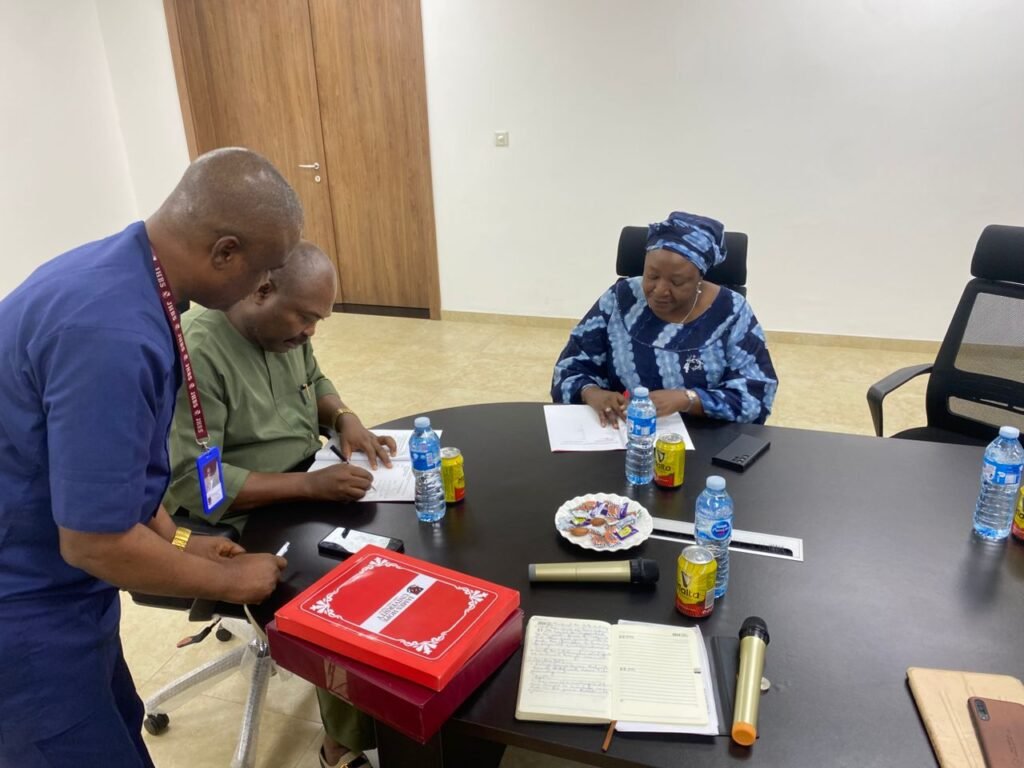
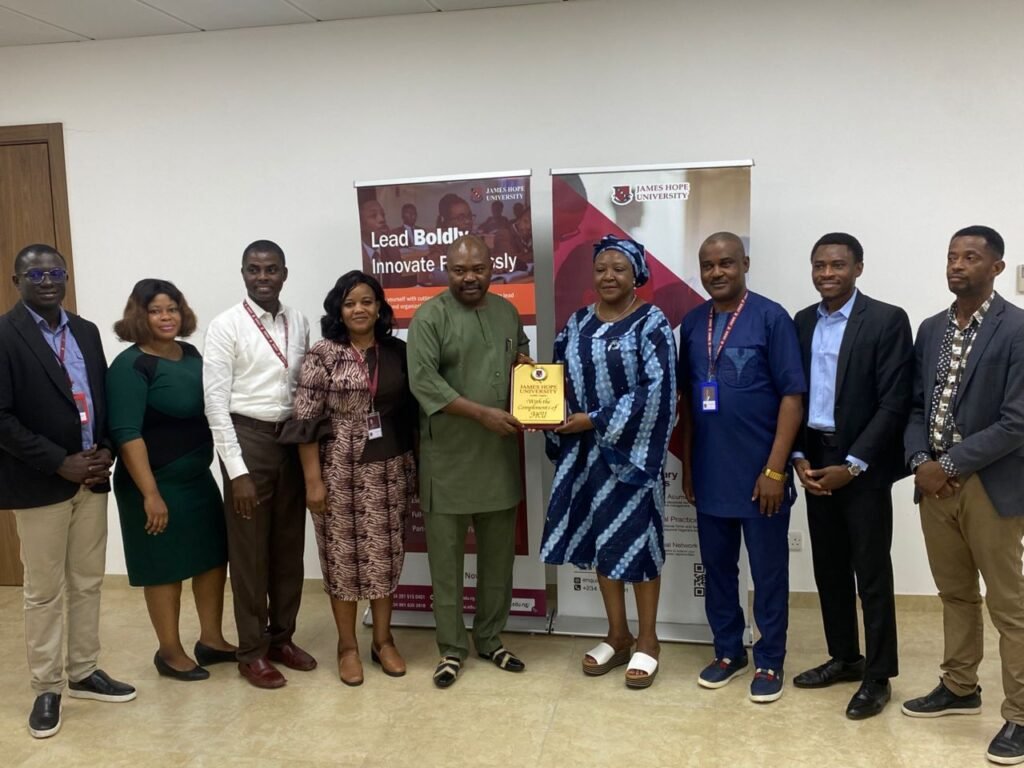
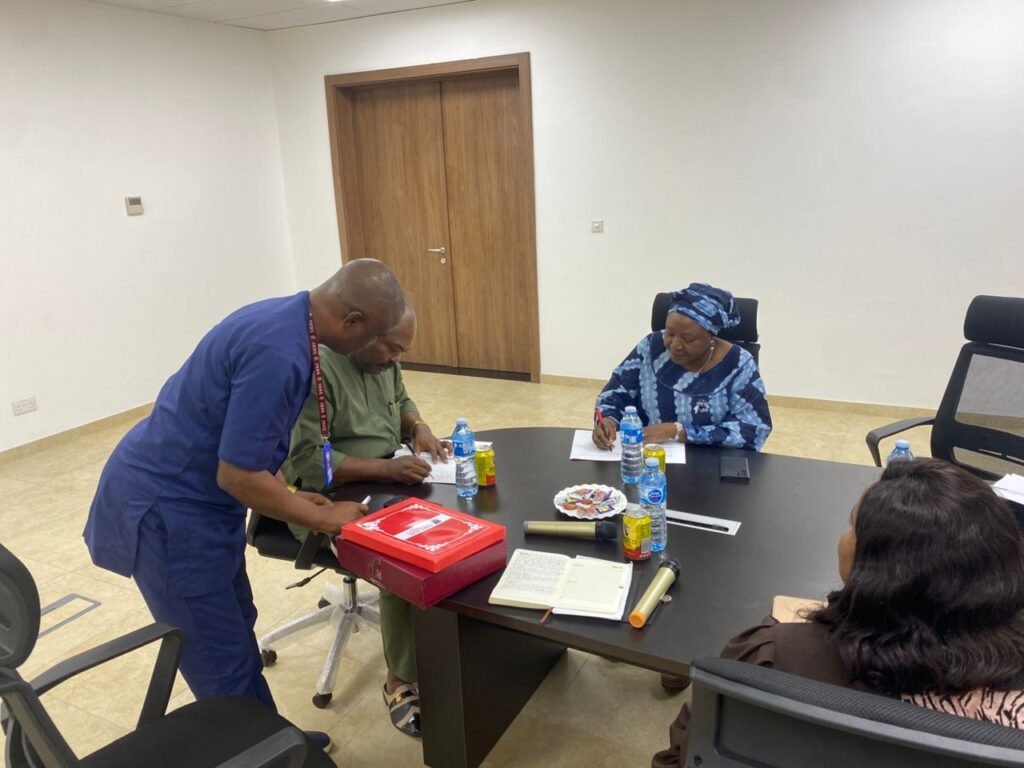
The Nigerian Institute of Social and Economic Research (NISER) has taken another significant step in advancing its mandate for evidence generation through policy research, with the signing of a Memorandum of Understanding (MoU) with James Hope University (JHU), Lagos. The agreement, formalised on Thursday, November 20, marks the beginning of a strategic partnership focused on joint research initiatives, academic exchange, and co-creation of knowledge across areas of shared interest.
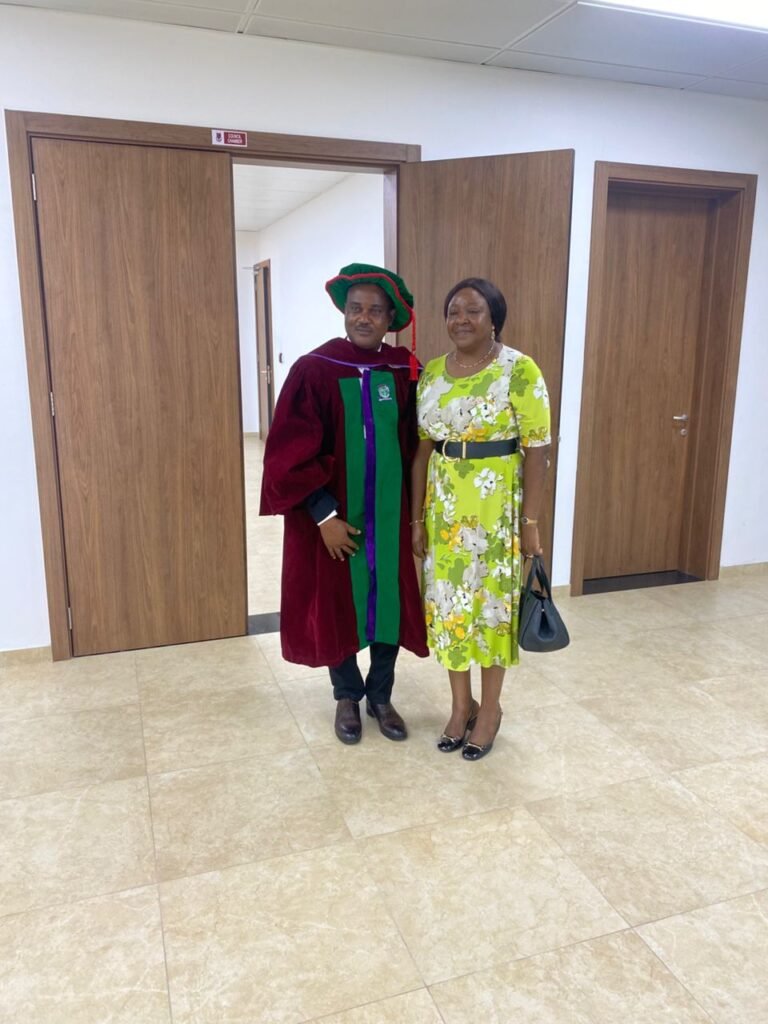
The Director-General of NISER, Prof. Antonia Taiye Simbine, paid a working visit to the university, at which the MoU was signed. The Vice Chancellor of James Hope University, Prof. Austin Nosike, welcomed the partnership and highlighted its potential to enhance scholarly engagement. The five-year agreement provides a clear framework for cooperation, including the joint hosting of policy dialogues, conferences, seminars, and other knowledge-sharing platforms. These activities are expected to bring together researchers, policymakers, development practitioners, and private-sector actors to interrogate emerging governance and policy issues central to Nigeria’s development agenda.
Prof. Nosike also noted that the MoU does not confer financial or legal obligations on either party beyond what is expressly stated in the agreement. He explained that termination of the MoU can only occur in line with specific provisions outlined in the document and must be based on written communication by either party.
For NISER, the partnership reflects the Institute’s ongoing efforts to expand its research networks, strengthen knowledge co-production, and enhance its role as the Federal Government’s premier think tank on socio-economic issues. With this collaboration, both institutions are poised to leverage their respective strengths in research, training, and policy engagement to address complex national challenges and contribute meaningfully to Nigeria’s development trajectory.