
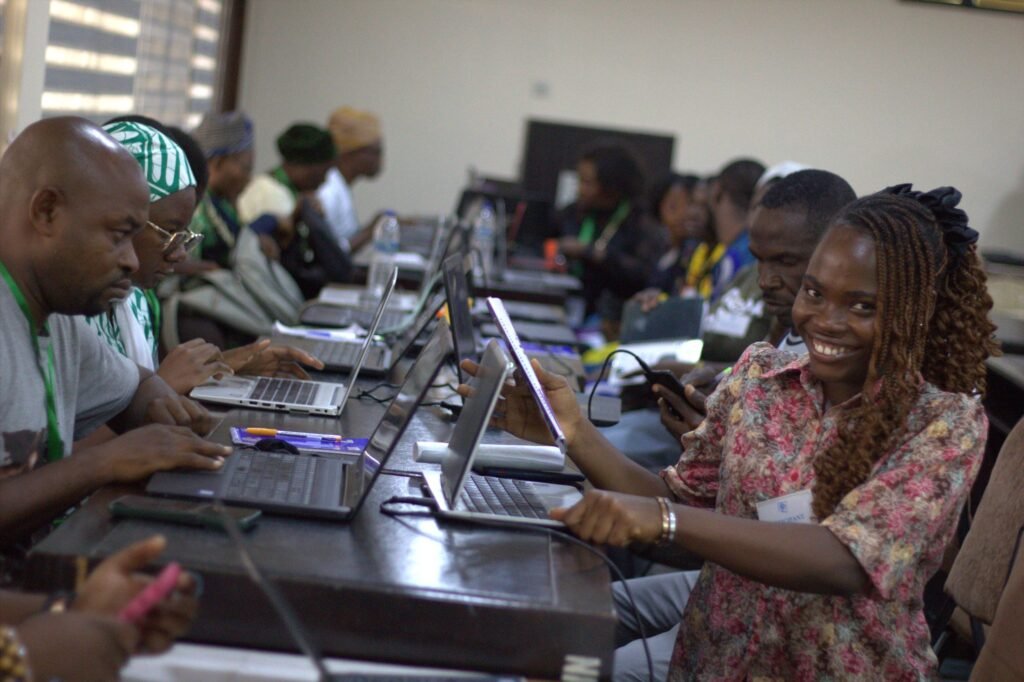
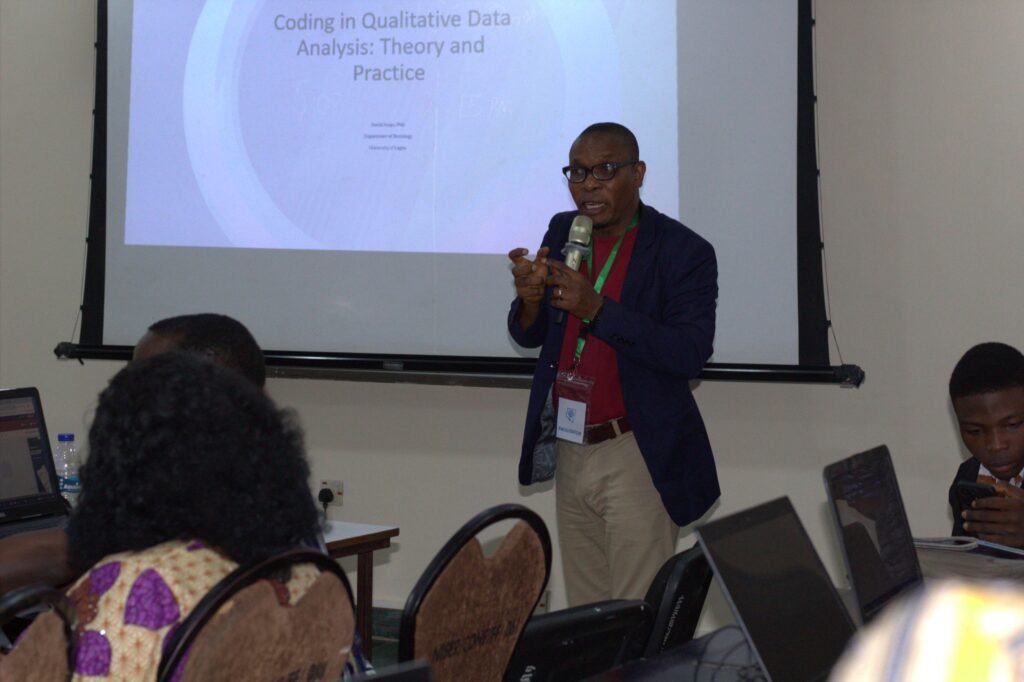
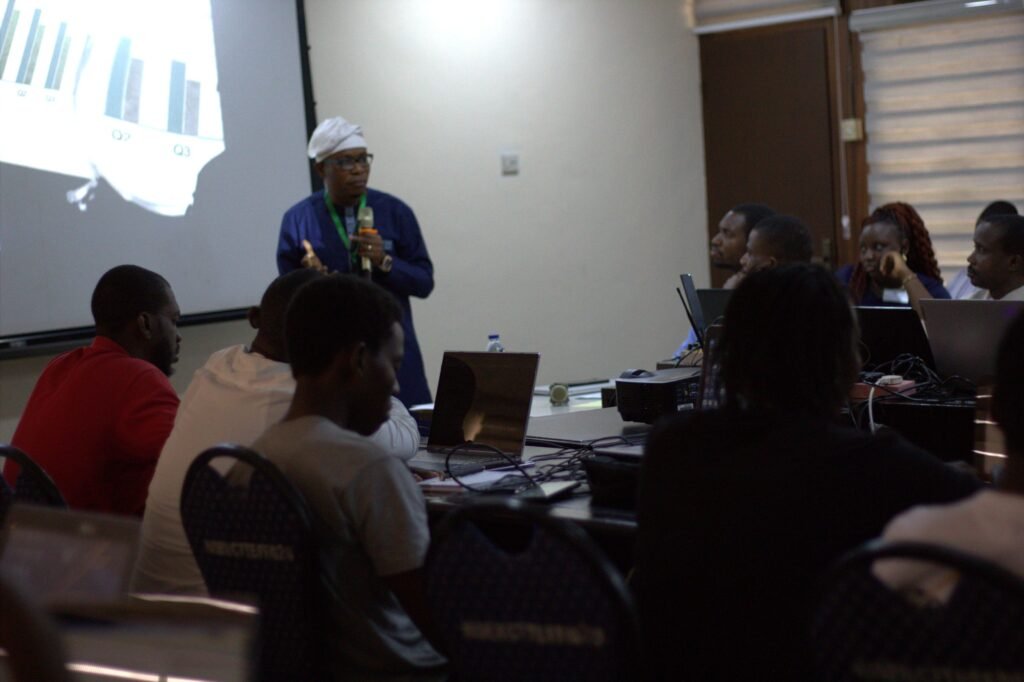

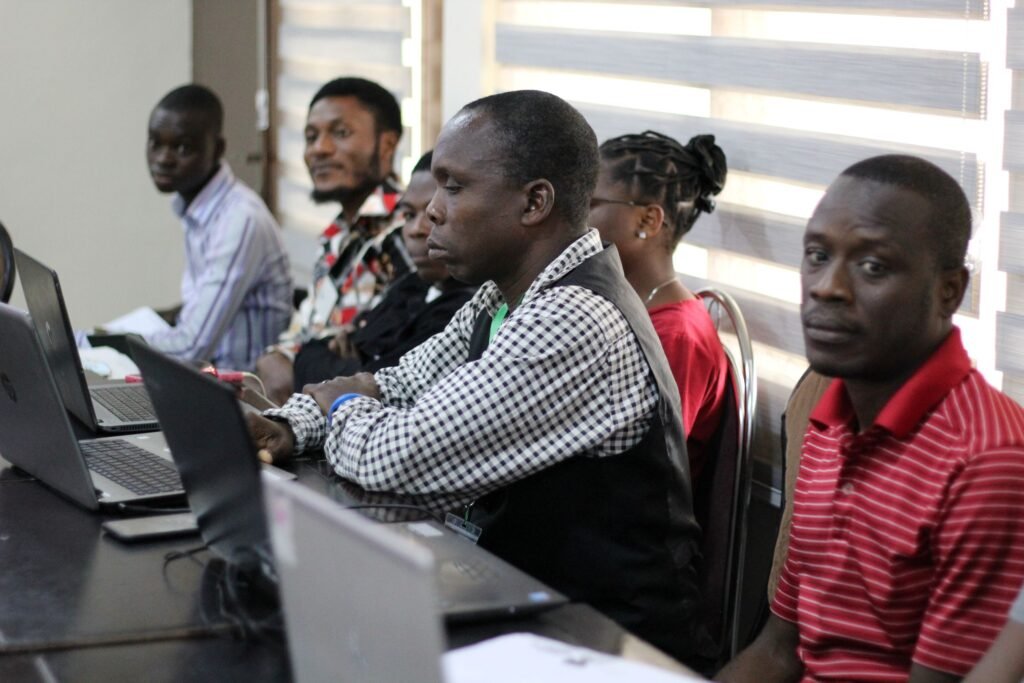

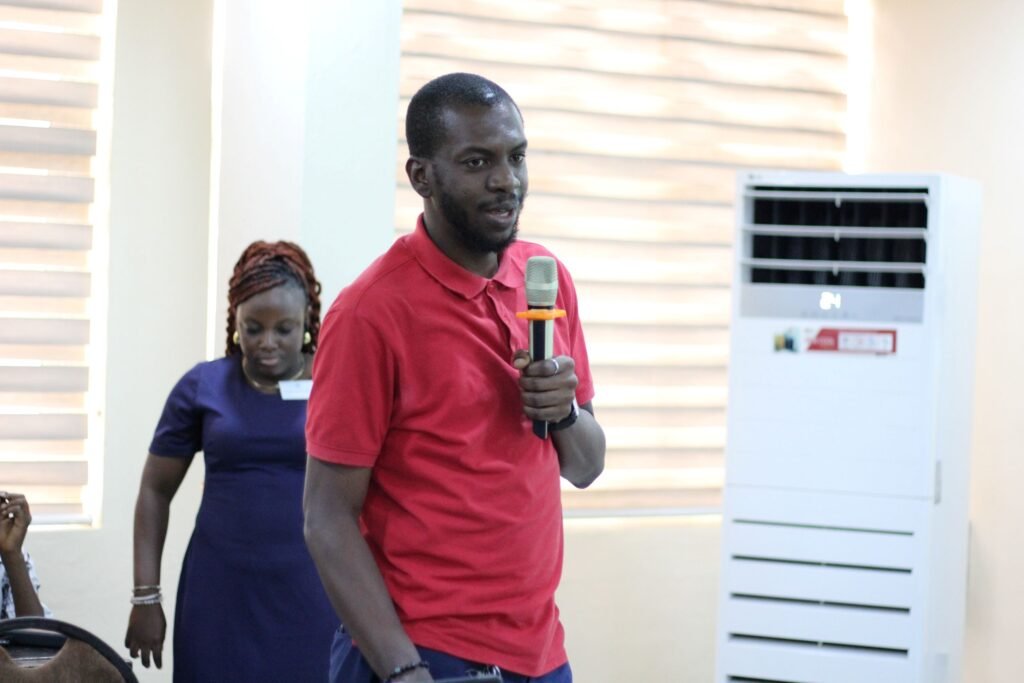
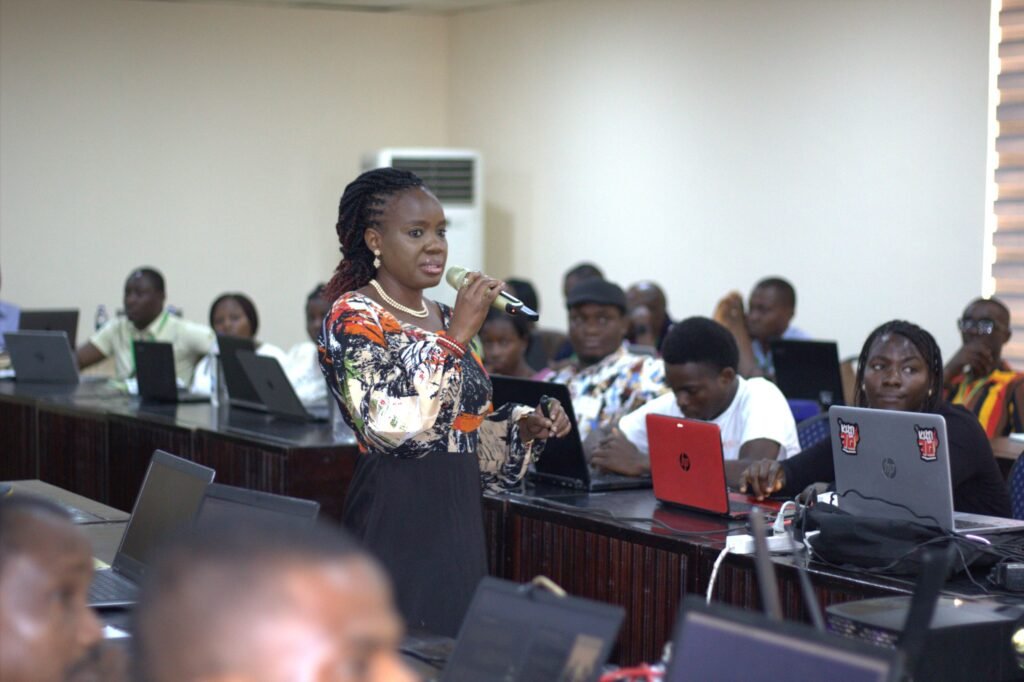
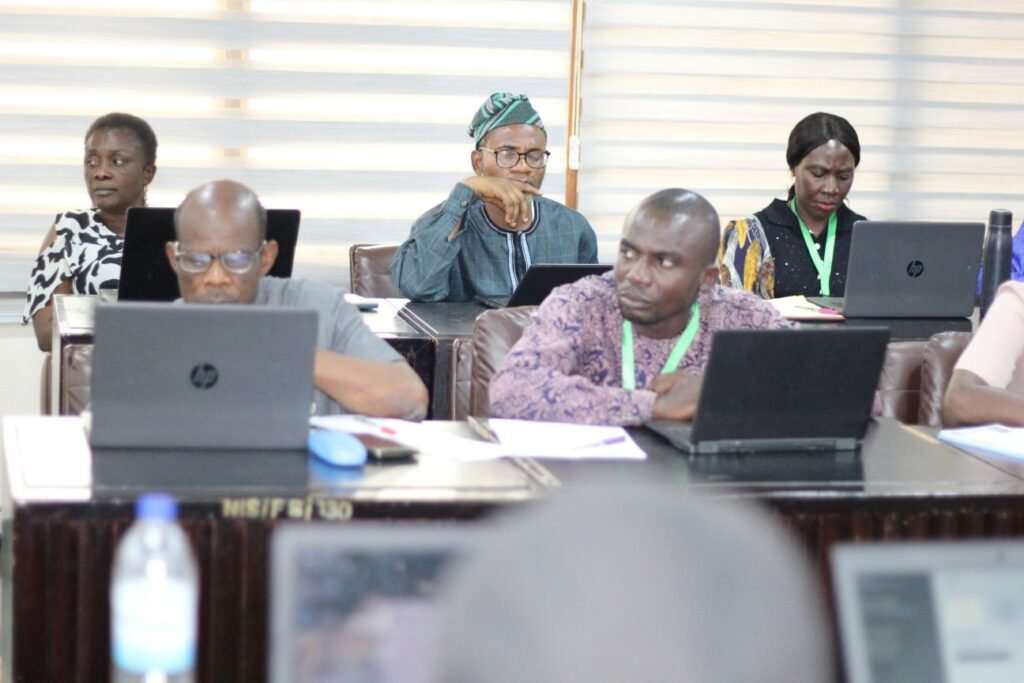

In a bid to enhance the qualitative research capability of its team, the Nigerian Institute of Social and Economic Research (NISER) recently organised a targeted training for researchers engaged in the Youth Futures in Dignified and Fulfilling Work in Africa Project. The session was designed to build proficiency in qualitative data analysis and the use of software tools such as NVivo, enabling the research team to extract meaningful insights from in-depth interviews and focus group discussions that were taken during the just-concluded field exercise.
The training occurred from October 24-26, 2025 and was facilitated by Dr David Akeju, a health systems management specialist and lecturer from the Department of Sociology, University of Lagos. Over the course of the 3-day training, he outlined and explained the forms of qualitative research and how they can be carried out effectively.
Participants were engaged in hands-on exercises based on real interview data obtained from the fieldwork and were given opportunities to practice coding transcripts, developing themes, and organising findings in NVivo.
Several participants described how the training bridged the gap between collecting qualitative data and translating it into relevant themes and narratives. Others highlighted how the technical skills freed them to focus more on the meaning behind the responses rather than getting bogged down in manual organisation.
With youth employment and enterprise being such a key dimension of the Youth Futures project, the richness of the qualitative data — in particular the voices of young entrepreneurs operating indigenous enterprises in informal settings — demands rigorous and coherent analysis. The training ensures that NISER’s outputs will not only capture the breadth of experience but also the depth of meaning: motivations, challenges, strategies, and aspirations embedded in the lived realities of young Nigerians.
Now that the training has concluded, the research team is poised to move into full-scale qualitative analysis. The next steps include finalising coding frameworks and completing systematic coding of all transcripts.
NISER remains committed to leveraging strong methodological foundations to ensure that the Youth Futures project delivers actionable knowledge — not just for researchers, but for policymakers, enterprise support actors, and perhaps most importantly, the young people whose futures we seek to understand and support in this study, funded by the Mastercard Foundation.