
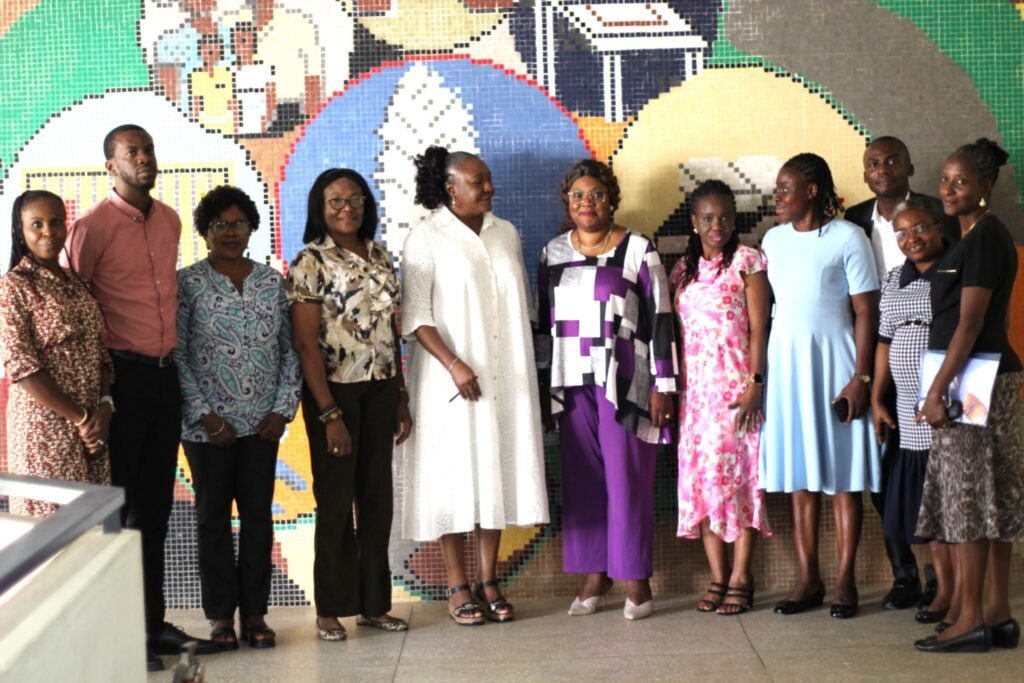
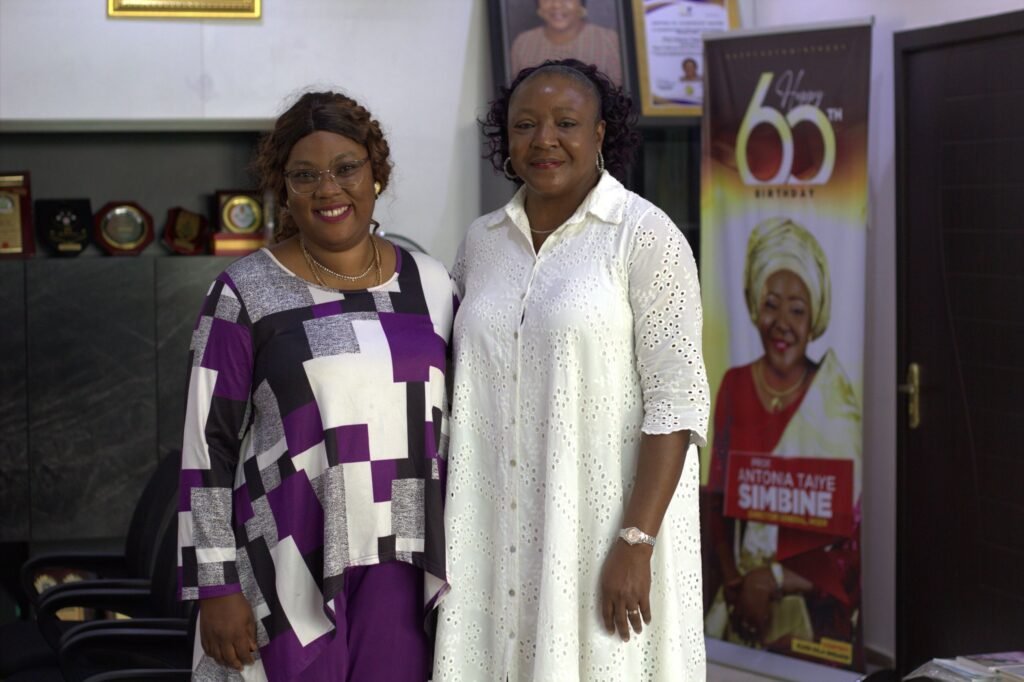

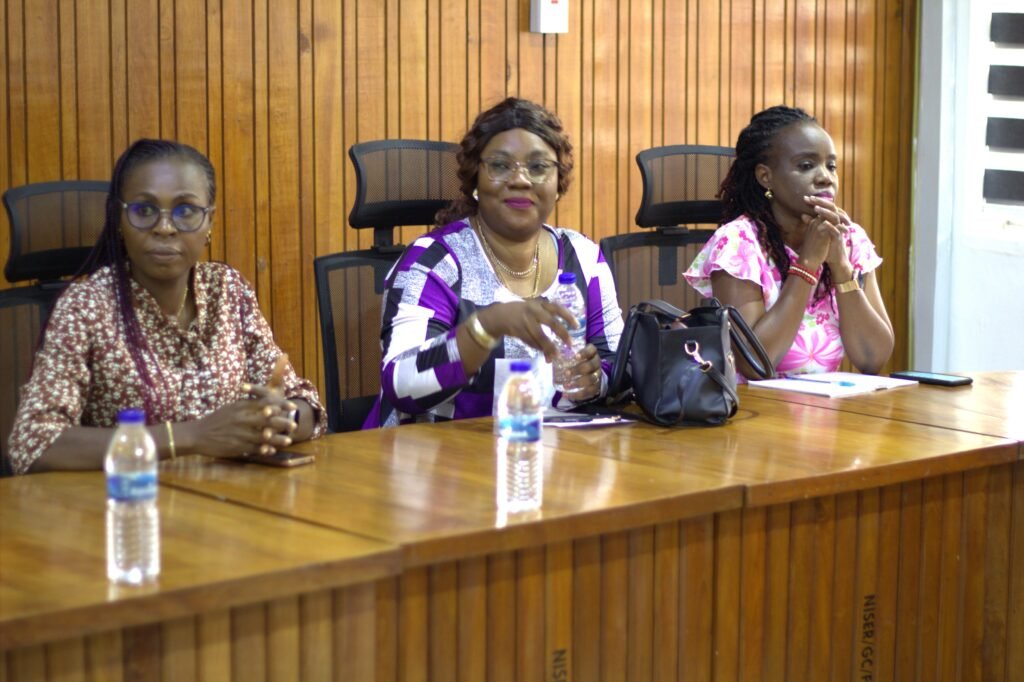

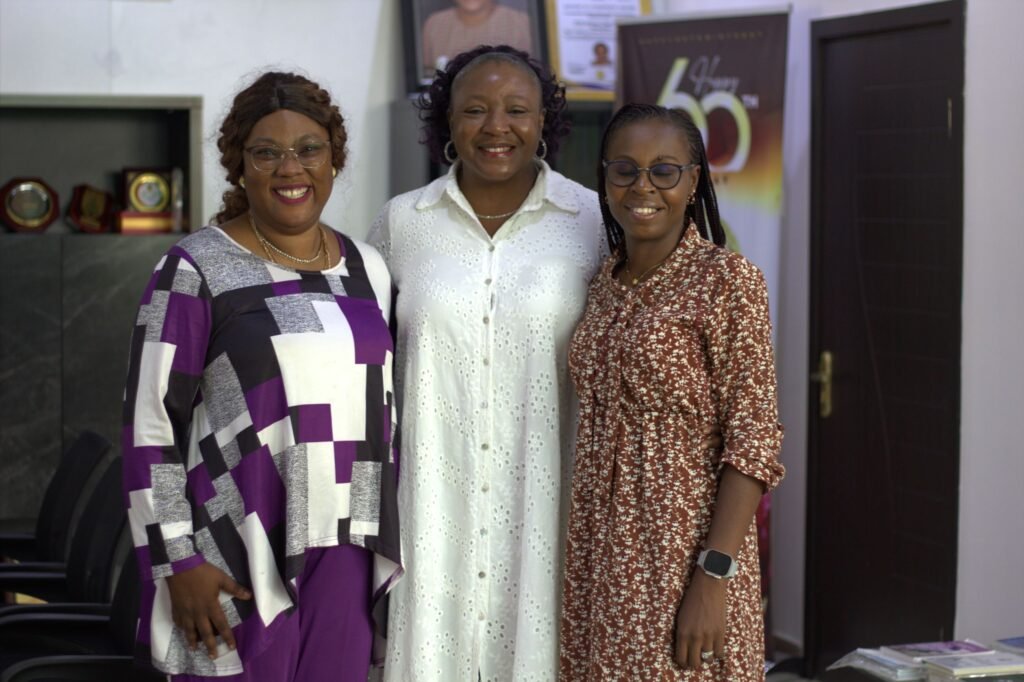
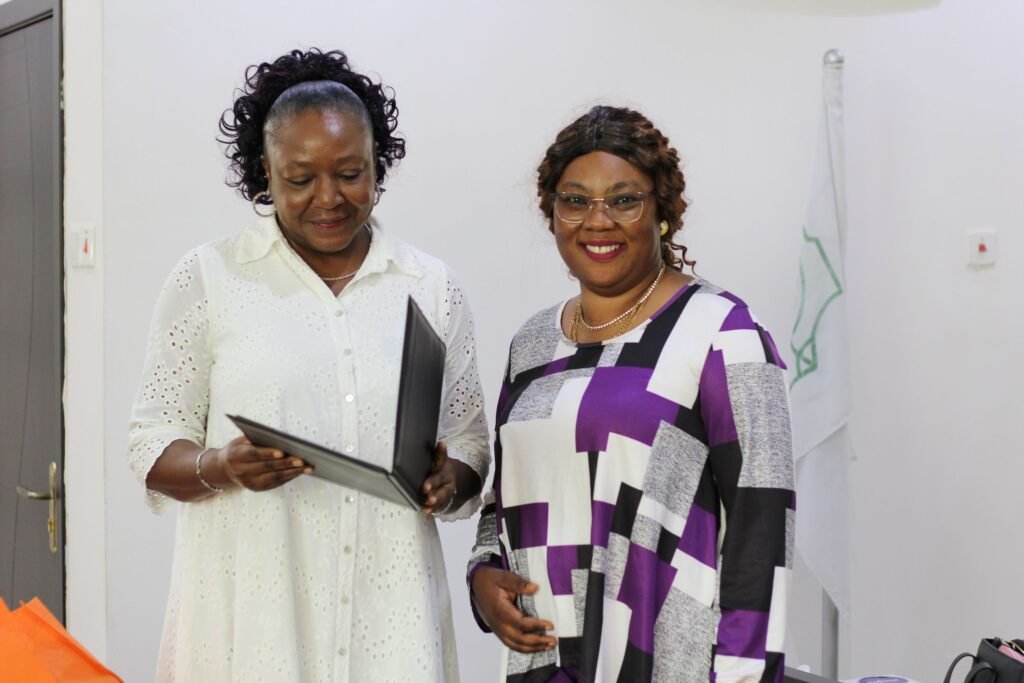
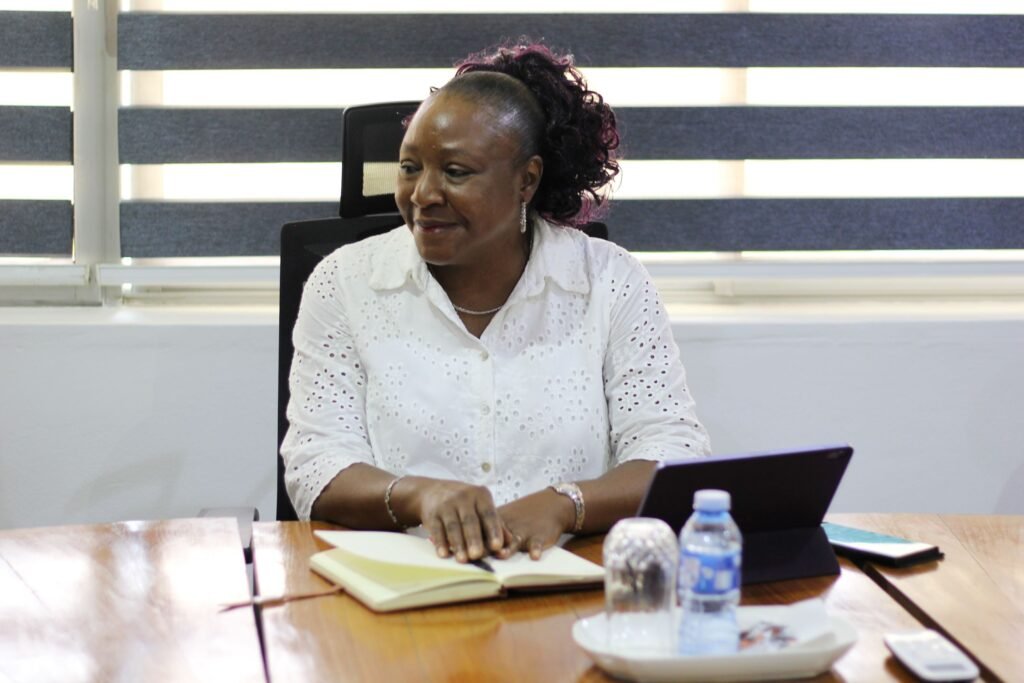
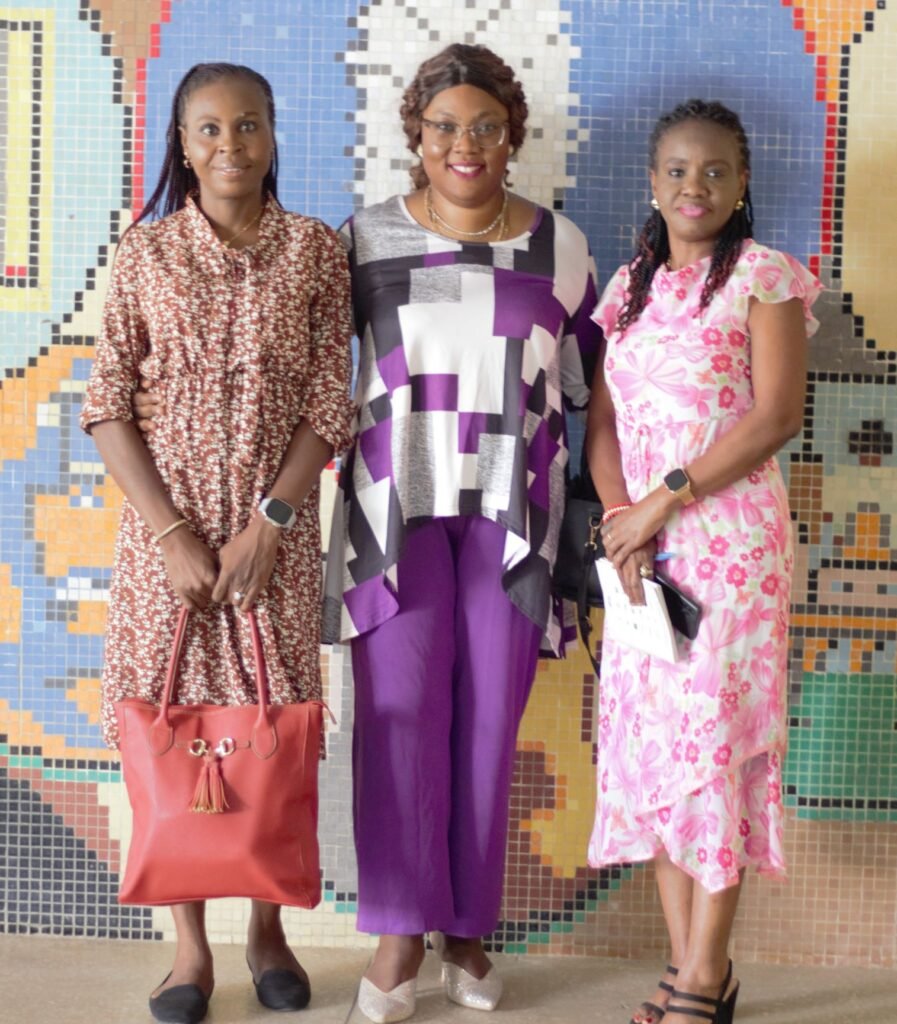
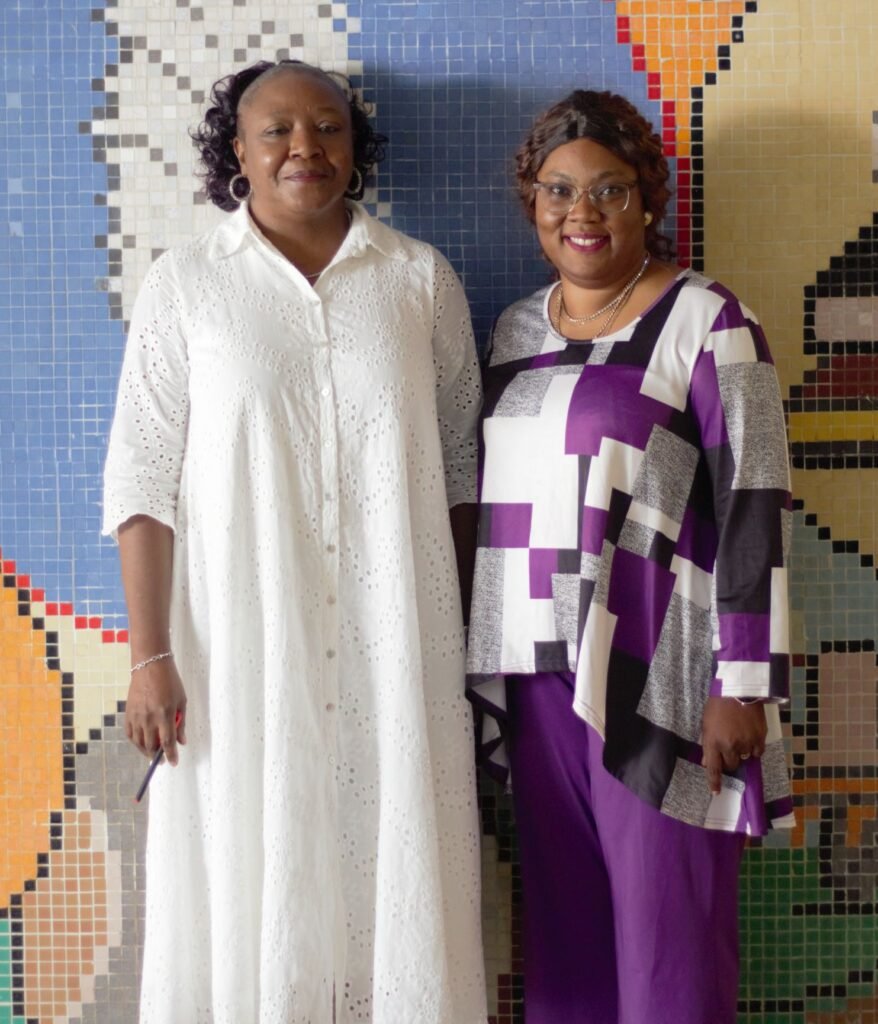
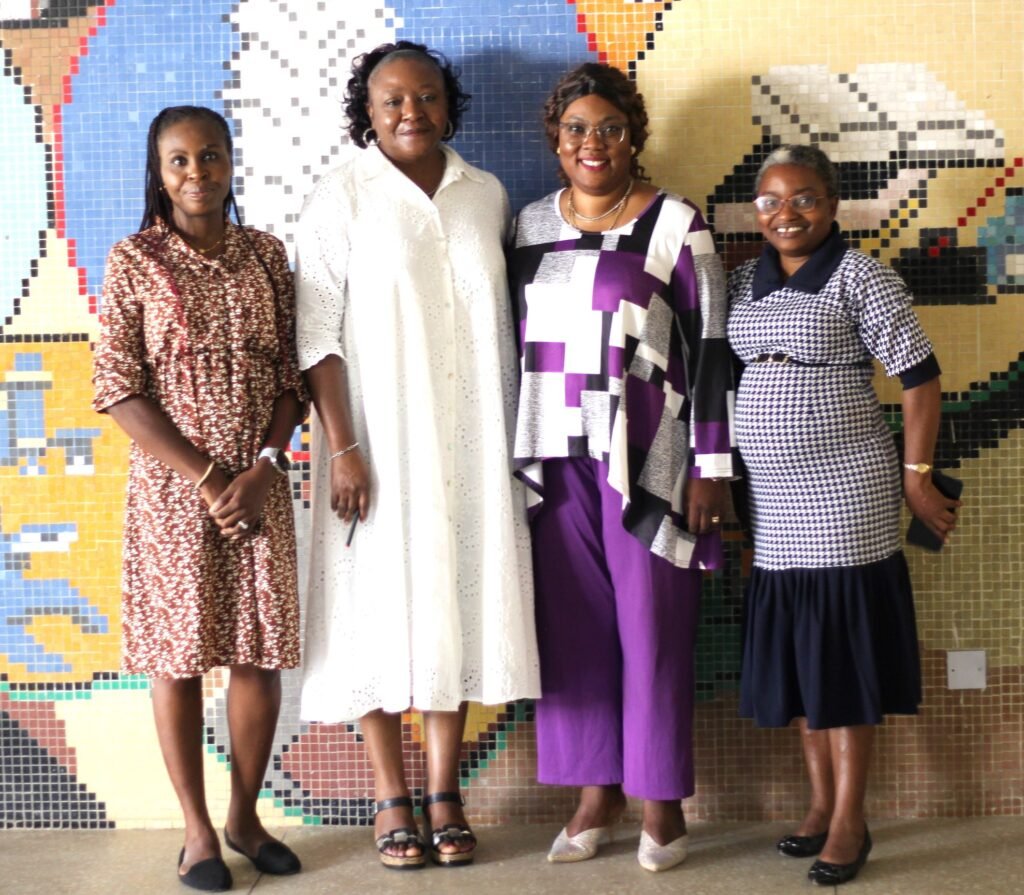
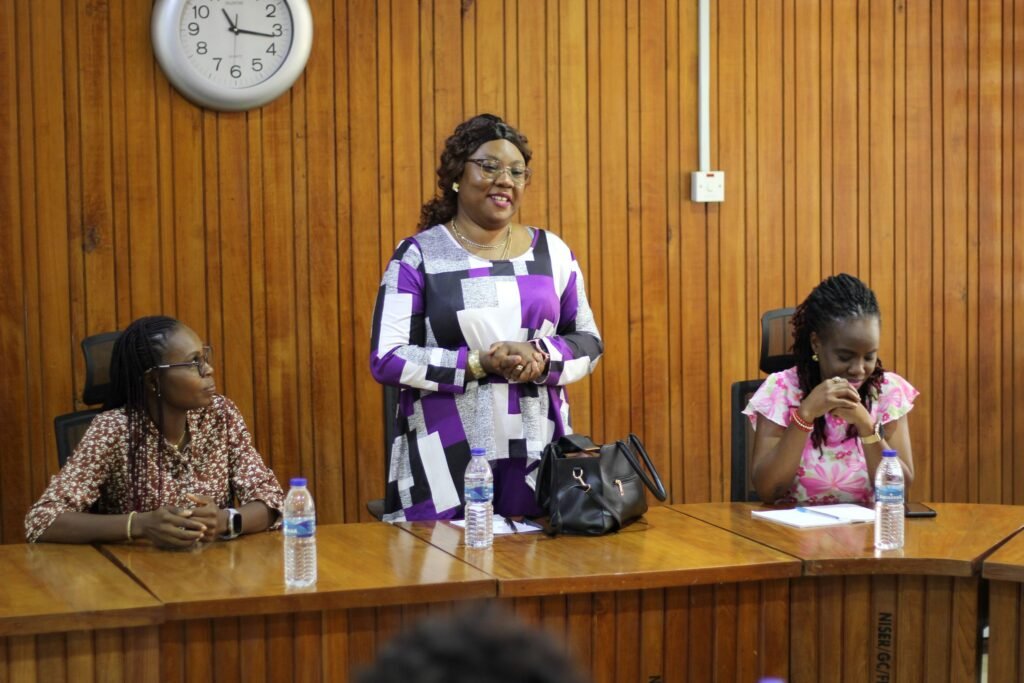
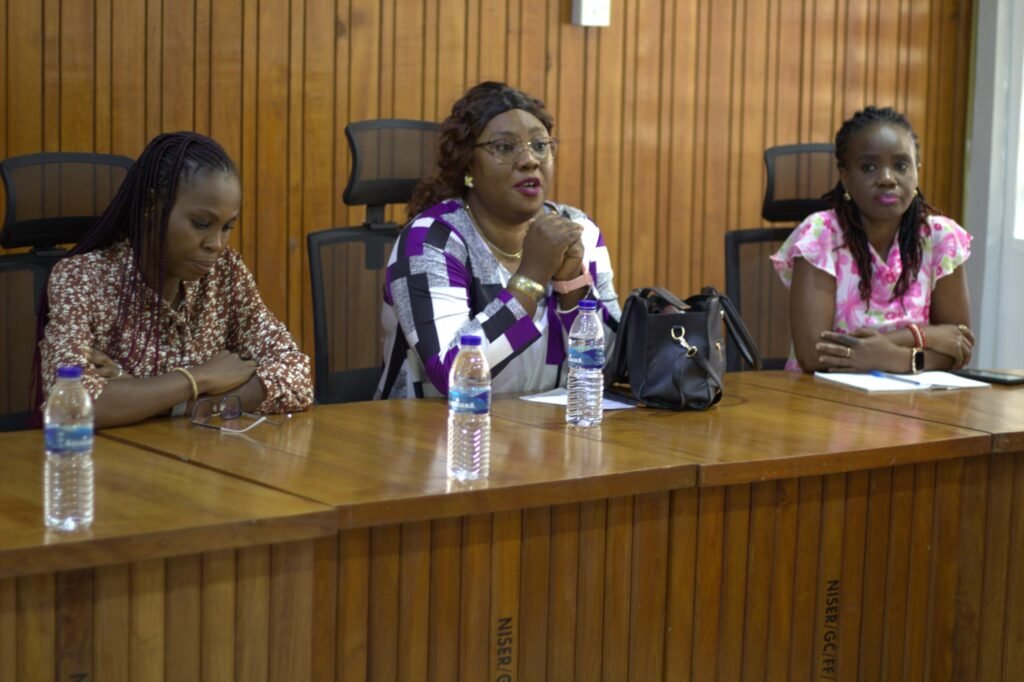
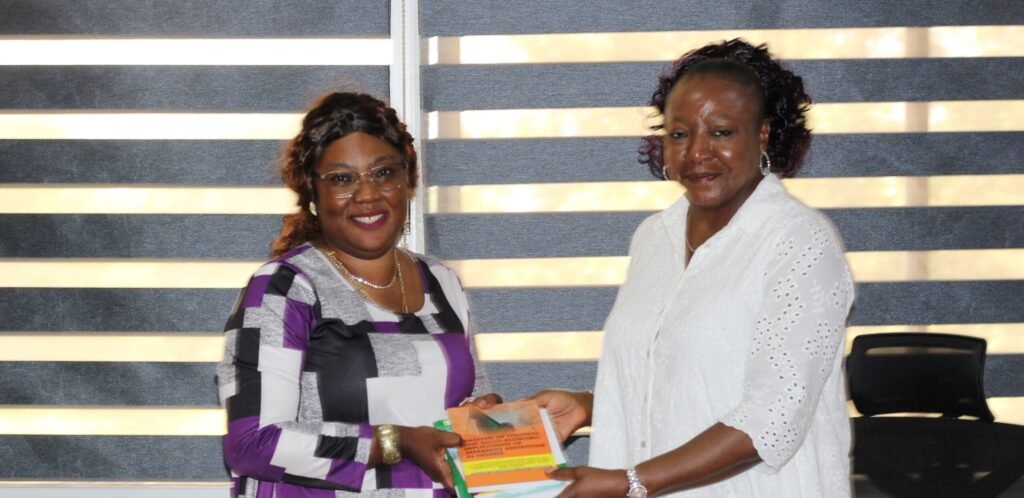
The Nigerian Institute of Social and Economic Research (NISER) on Monday, 24 November 2025, welcomed Professor Tinuade Ojo, Director of the Centre for Race, Gender and Class (CRGC), University of Johannesburg, South Africa, on a courtesy visit aimed at deepening institutional collaboration in research, training, and academic exchange.
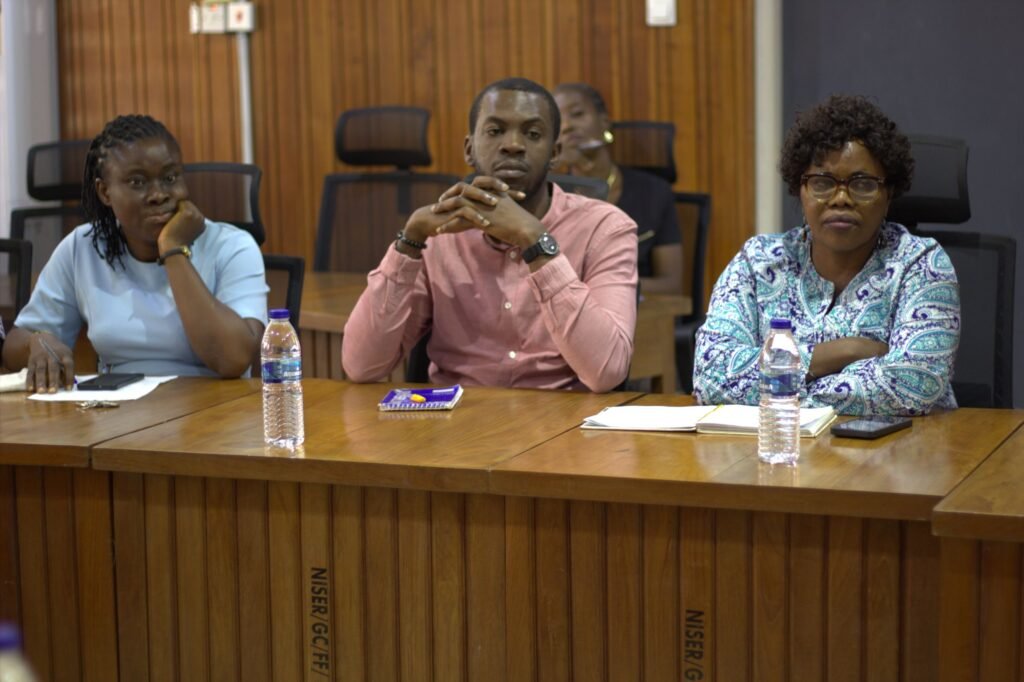
The visit, held at the NISER Board Room, was hosted by the Director-General, Professor Antonia Taiye Simbine, alongside senior members of NISER management and research staff. The engagement aligned with NISER’s mandate to foster high-quality research partnerships that support national and continental development.
Purpose of the Visit
Professor Ojo’s visit sought to explore opportunities for joint initiatives between NISER and CRGC, including:
Joint research projects and academic publications
Staff exchange programmes
Collaborative proposals for externally funded research
Joint policy conferences, webinars, capacity-building workshops
Opportunities for NISER staff to enrol in short learning programmes at the University of Johannesburg
Highlights of the Discussions
During the meeting, Professor Ojo emphasized the strong potential for collaboration, citing past successful engagements with NISER researchers. She shared upcoming initiatives at CRGC—including a Global Excellence Status Project on Energy Poverty for Africa, focusing on the experiences and coping mechanisms of women affected by inadequate electricity supply.
She also expressed the Centre’s interest in making the NISER DG a mentor and possibly a Visiting Professor at the University of Johannesburg, which would support ongoing academic exchange.
In her remarks, Professor Simbine welcomed the collaboration, noting its importance in expanding research networks and improving global visibility for Nigerian scholars. She highlighted NISER’s ongoing externally funded projects, including the MacArthur-funded Behavioural Change to Corruption project and the Mastercard-funded Youth in Indigenous Enterprises study.
She also stressed the need to integrate gender perspectives into research, even though the Institute does not maintain a standalone gender department.
Input from NISER staff touched on key areas for collaboration, including:
Integrating rural women’s perspectives into energy poverty research
Exploring research on ageing
Examining conflict and its effects on women and children
Professor Ojo responded by sharing recent CRGC research on positive masculinity, ageing, digitalization gaps among rural women, and gender-focused interventions in mining communities.
Both institutions agreed on the importance of continuous communication, formation of a joint committee to prioritise short-, medium- and long-term collaborative activities, and exchange of signed MoU documents.
NISER researchers were encouraged to take advantage of short-term study and training programmes offered by CRGC, and to explore opportunities for joint advocacy and knowledge-sharing.