
NISER DG Highlights Community Structures as Key to Inclusive Governance at Lagos Parley

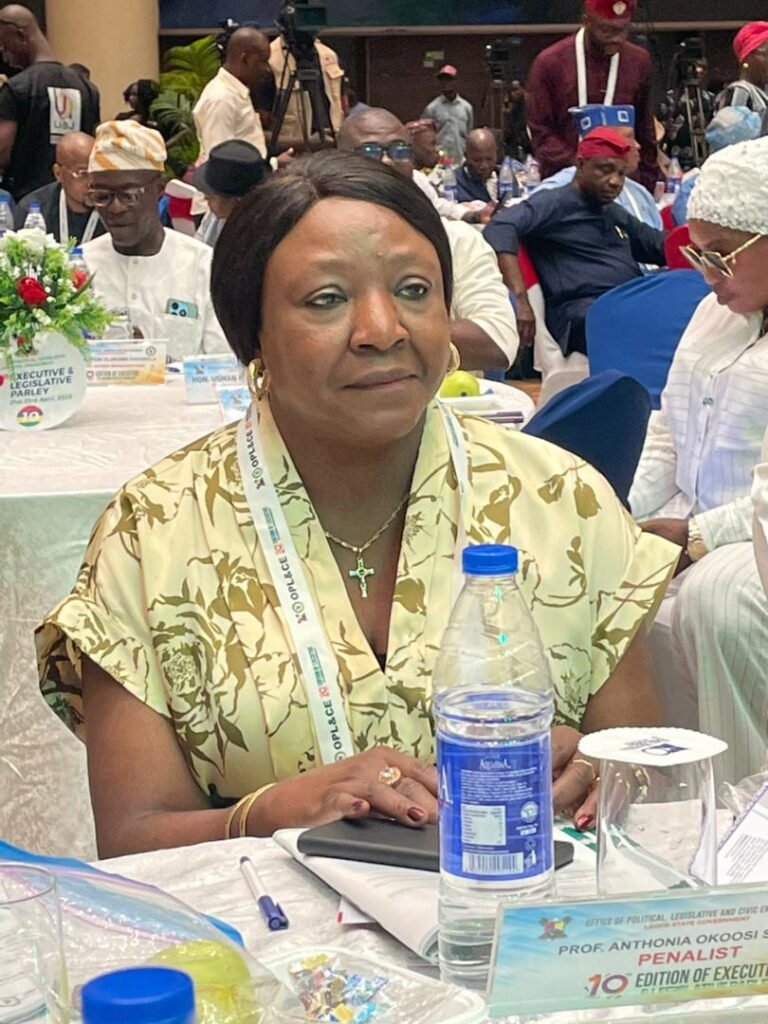
The Director-General of the Nigerian Institute of Social and Economic Research (NISER) has emphasized the importance of leveraging existing community structures to drive inclusive governance and improve service delivery across Lagos State.
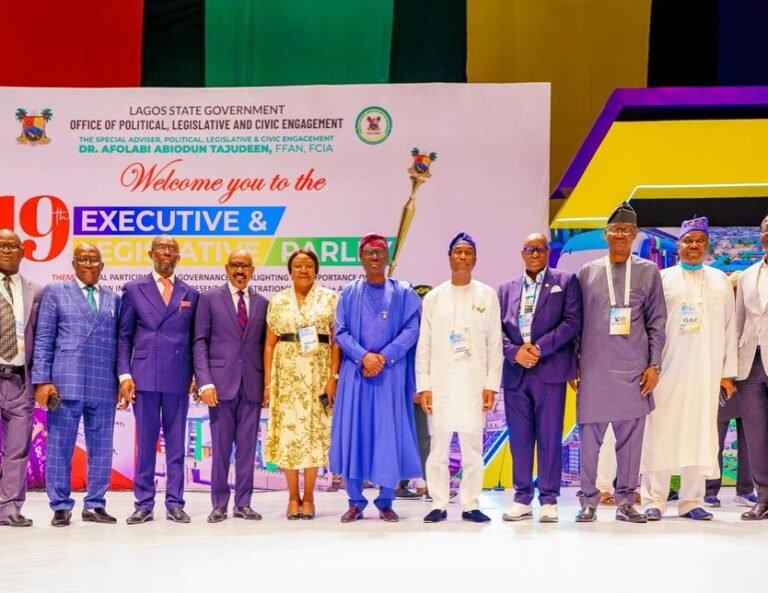
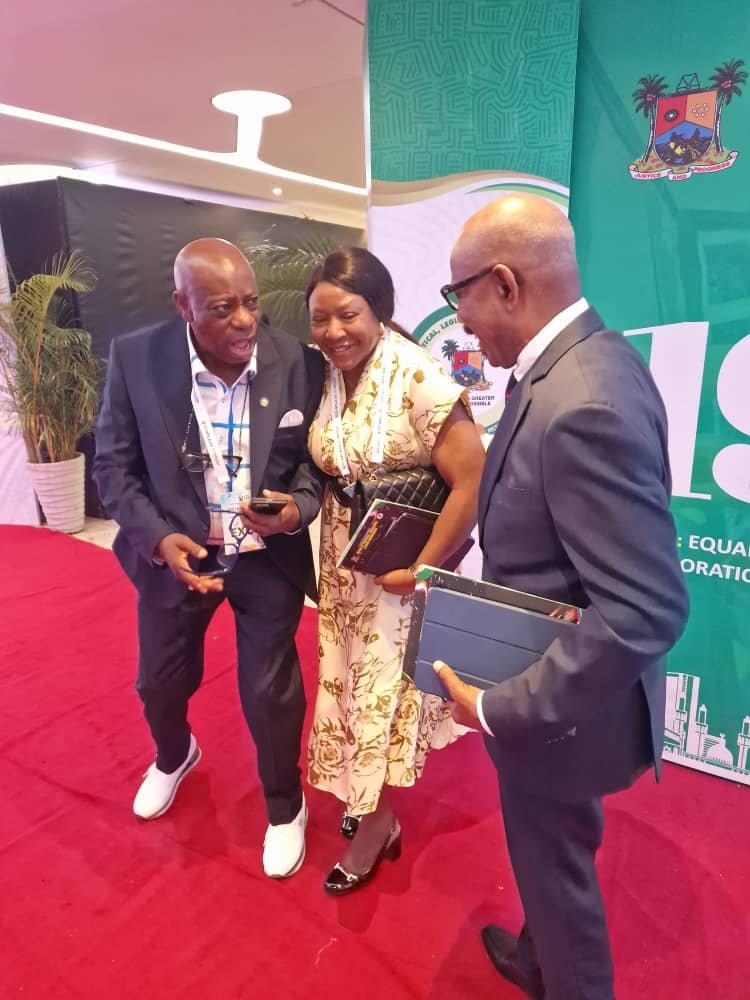
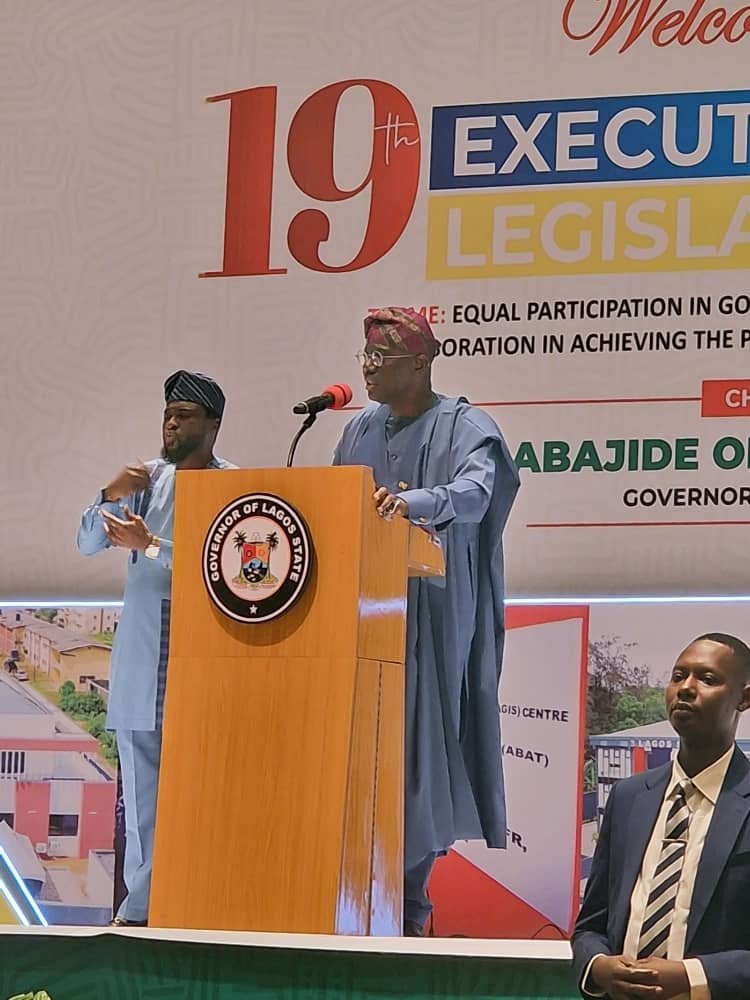
She made this known while speaking at the 19th Executive and Legislative Parley hosted by the Lagos State Government, held at Eko Hotels & Suites from April 21 to 23, 2026.
The Parley, themed “Equal Participation in Governance: Highlighting the Importance of Collaboration in Achieving the THEMES+ Agenda,” brought together key stakeholders from the Executive and Legislative arms of government, as well as policy experts and development practitioners, to explore strategies for strengthening collaboration and deepening democratic engagement.
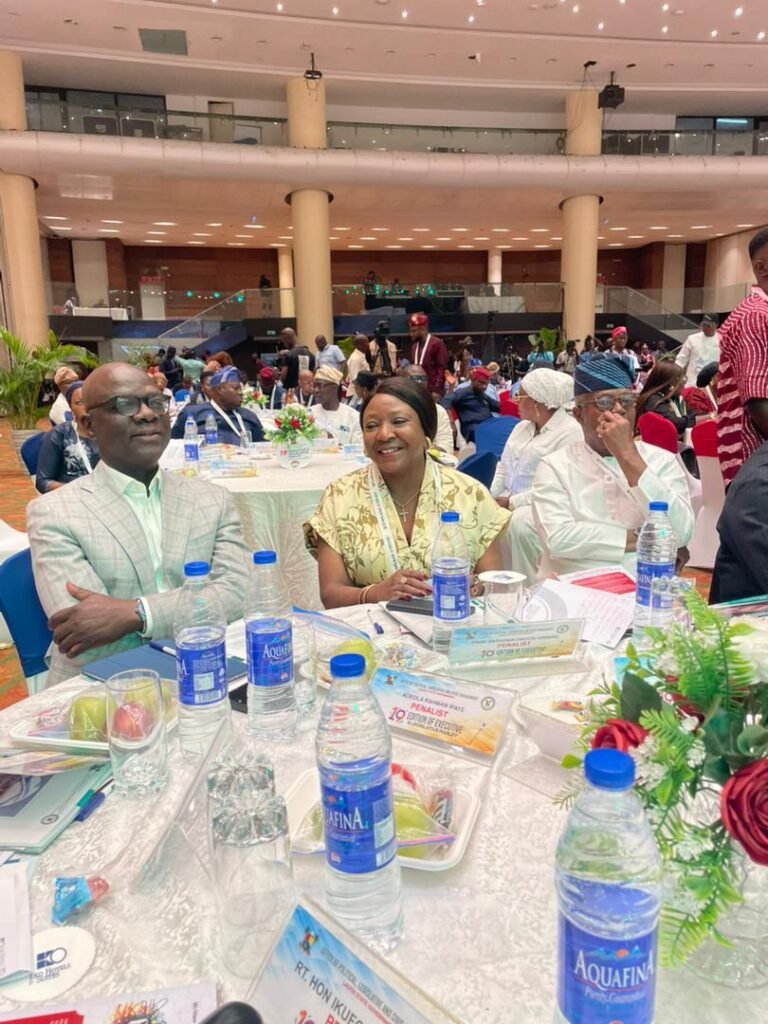
The NISER DG speaking at the Panel Session of the 19th Executive and Legislative Parley, hosted by the Lagos State Government (April 22, 2026)
Contributing to a panel discussion at the forum, the NISER DG noted that Lagos State already possesses functional grassroots structures, such as community development associations, which can be better harnessed to strengthen citizen engagement in governance. She stressed that these platforms, if properly institutionalized, can serve as effective channels for continuous dialogue between government and citizens.
According to her, formalizing regular town hall meetings involving ward-level representatives would create a structured avenue for identifying and documenting community-specific challenges. She explained that such engagements would not only give voice to local concerns but also enable the systematic “harvesting” of issues, which can then be synthesized into actionable policy plans.
The DG further underscored the importance of deliberately identifying and including marginalized groups within communities in these engagements. She noted that inclusive participation is critical to ensuring that governance processes reflect the needs of all segments of society, particularly those who are often underrepresented in decision-making.