
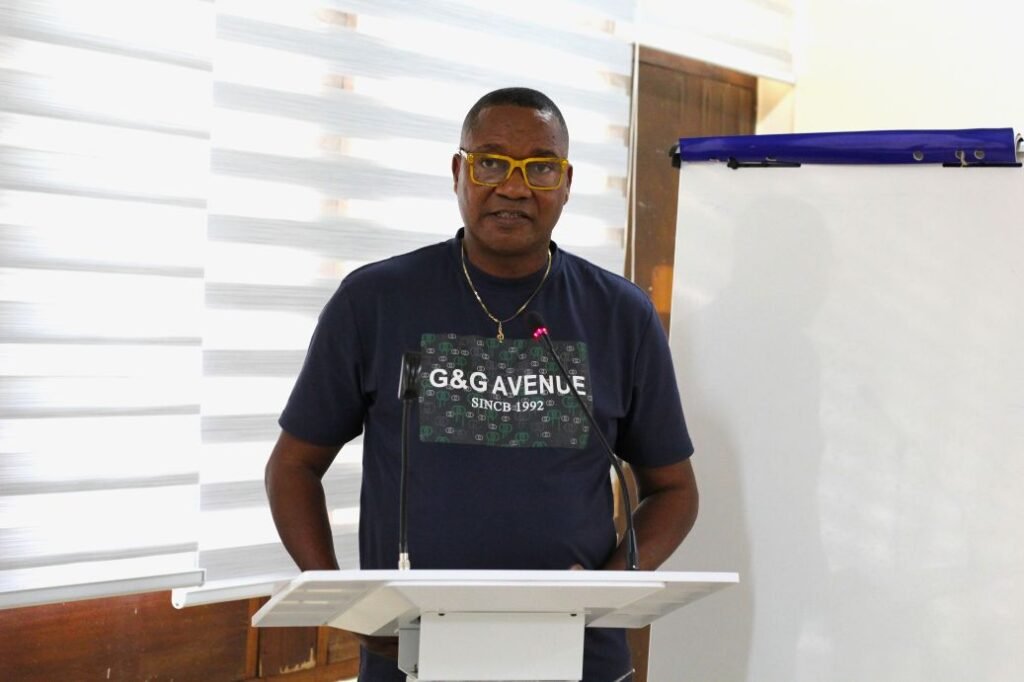
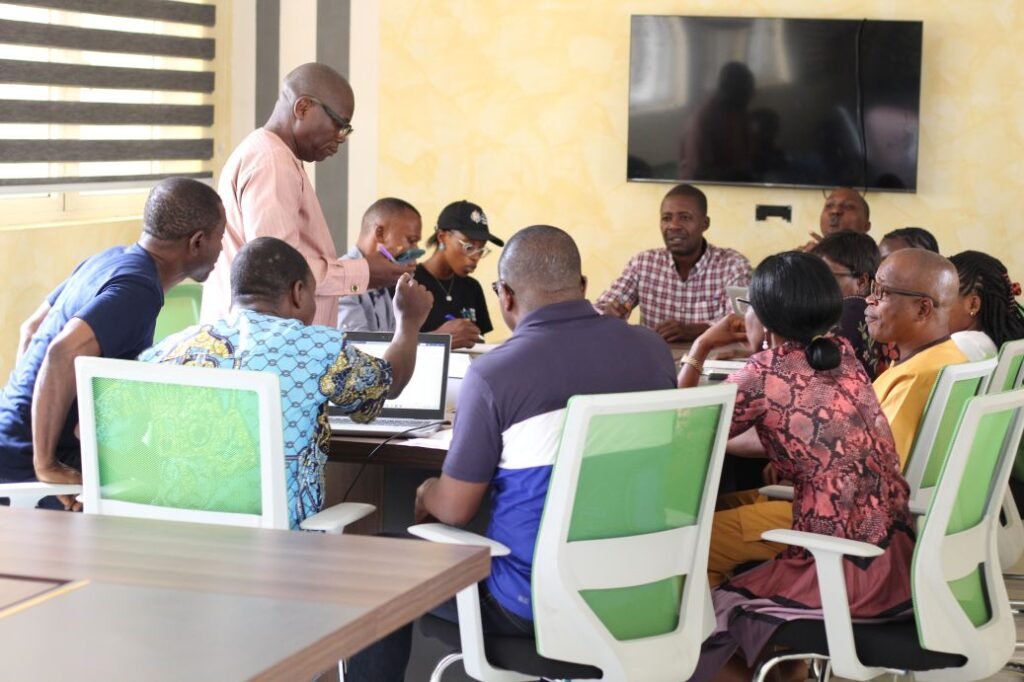
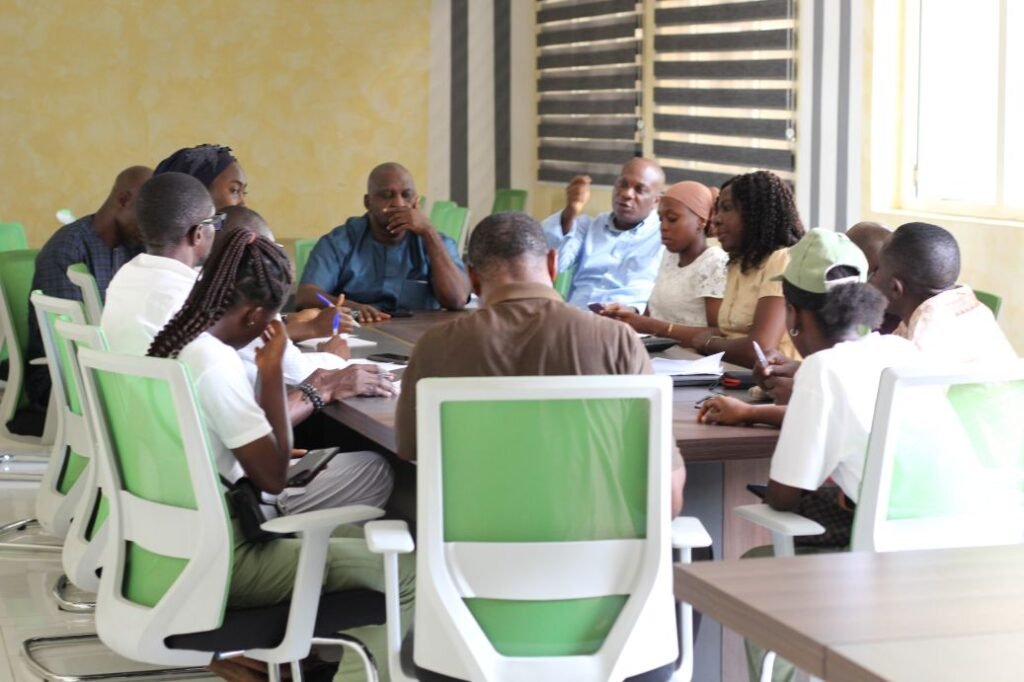
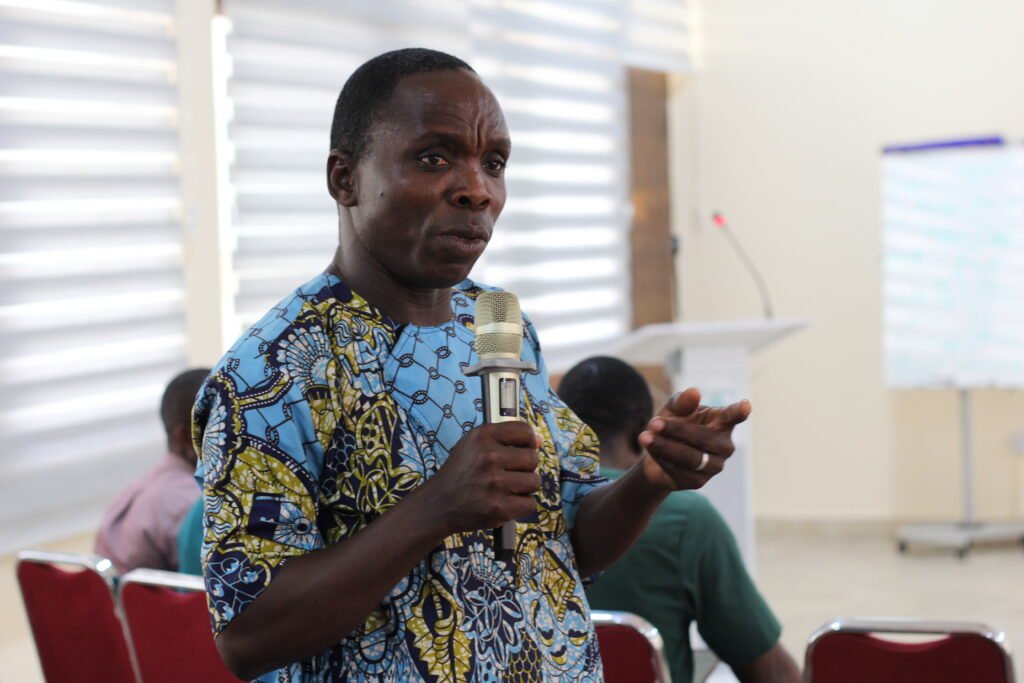
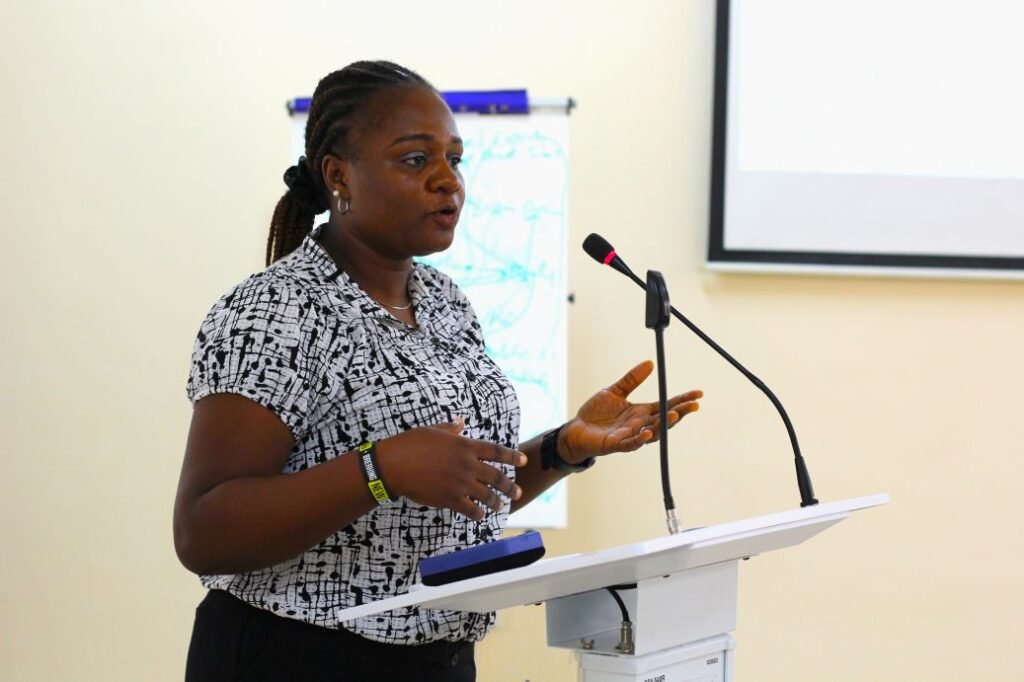
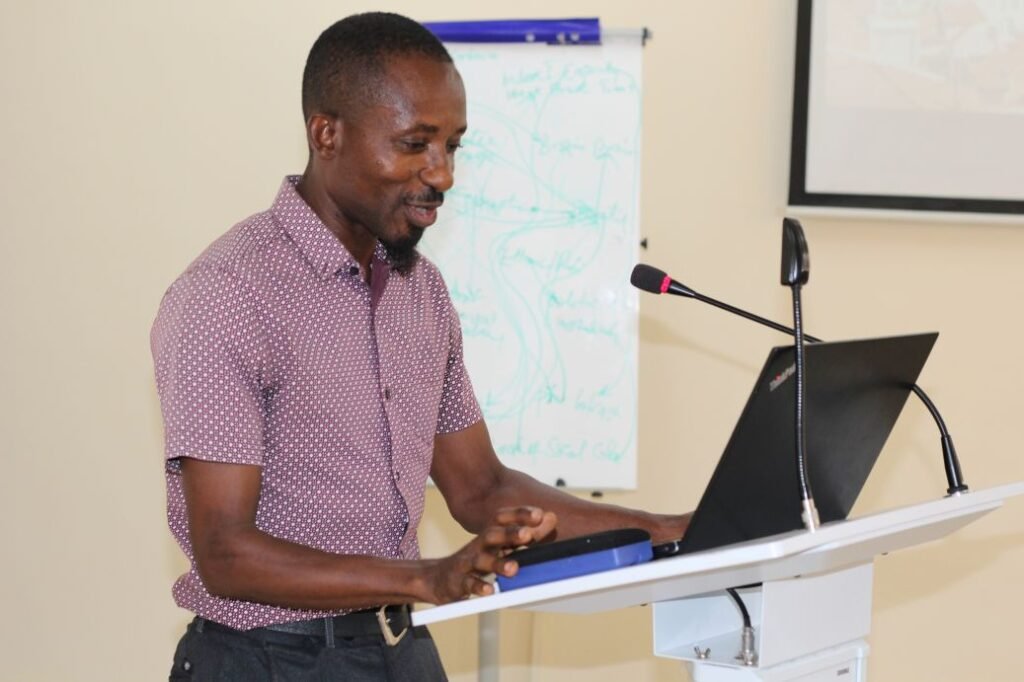
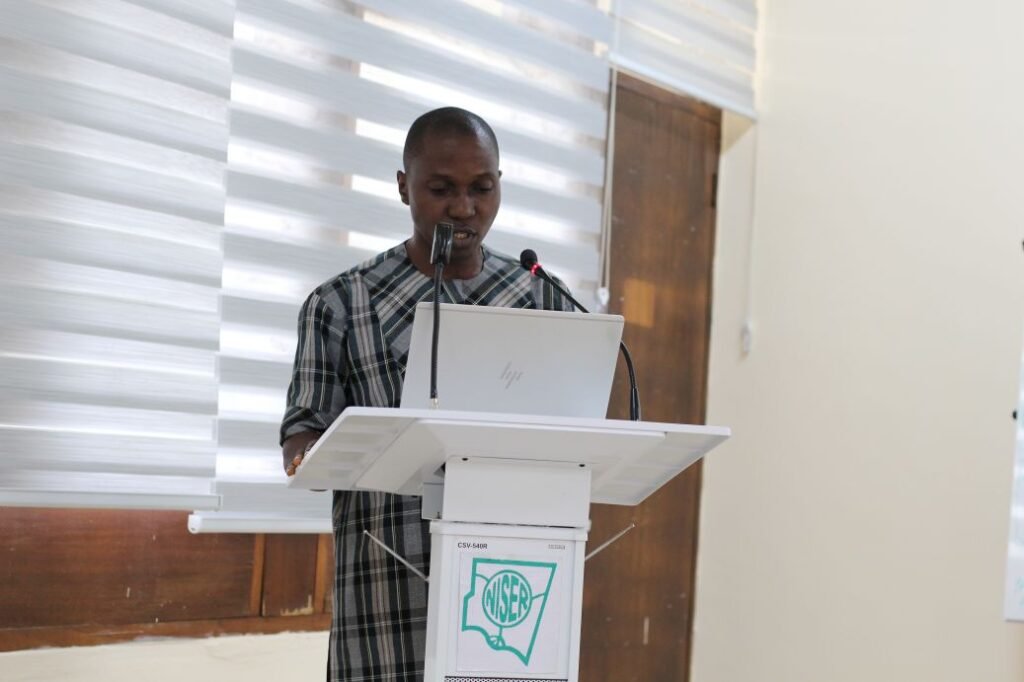
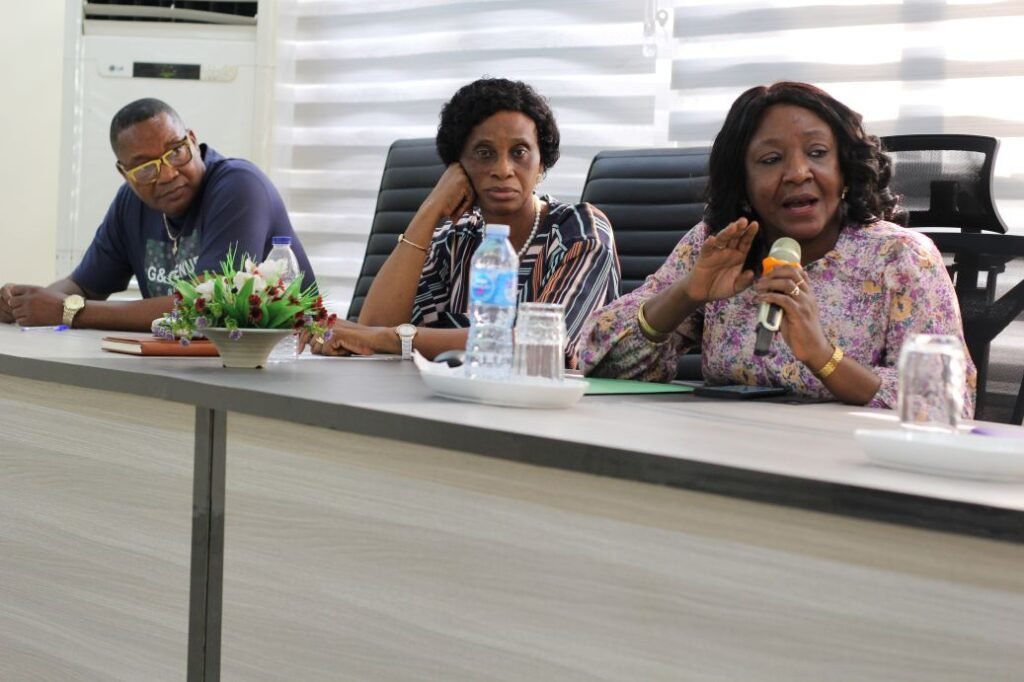
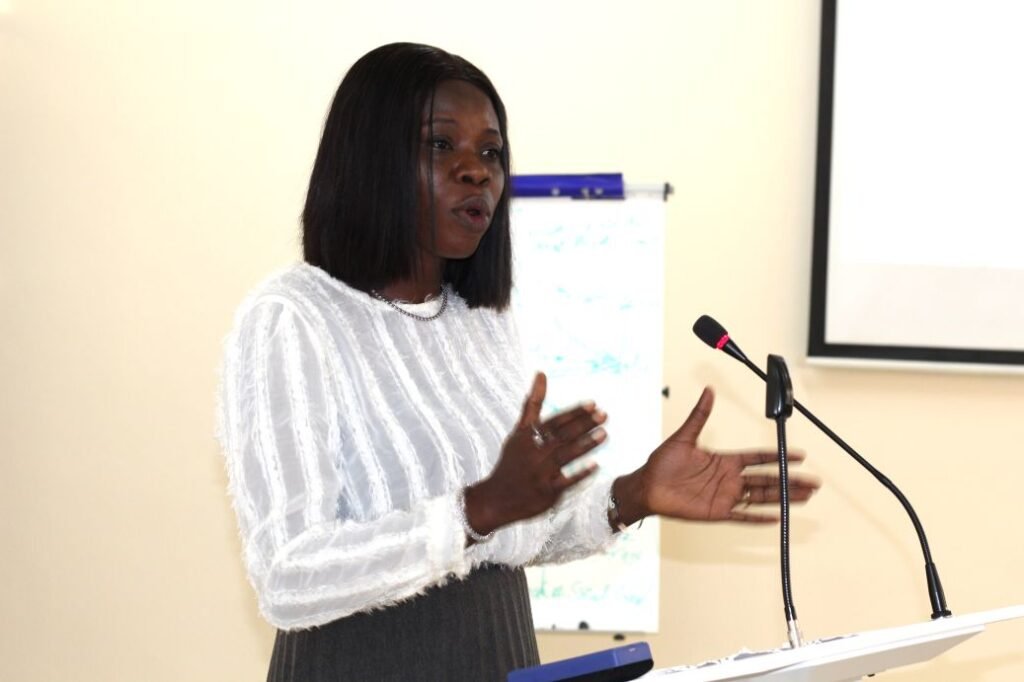
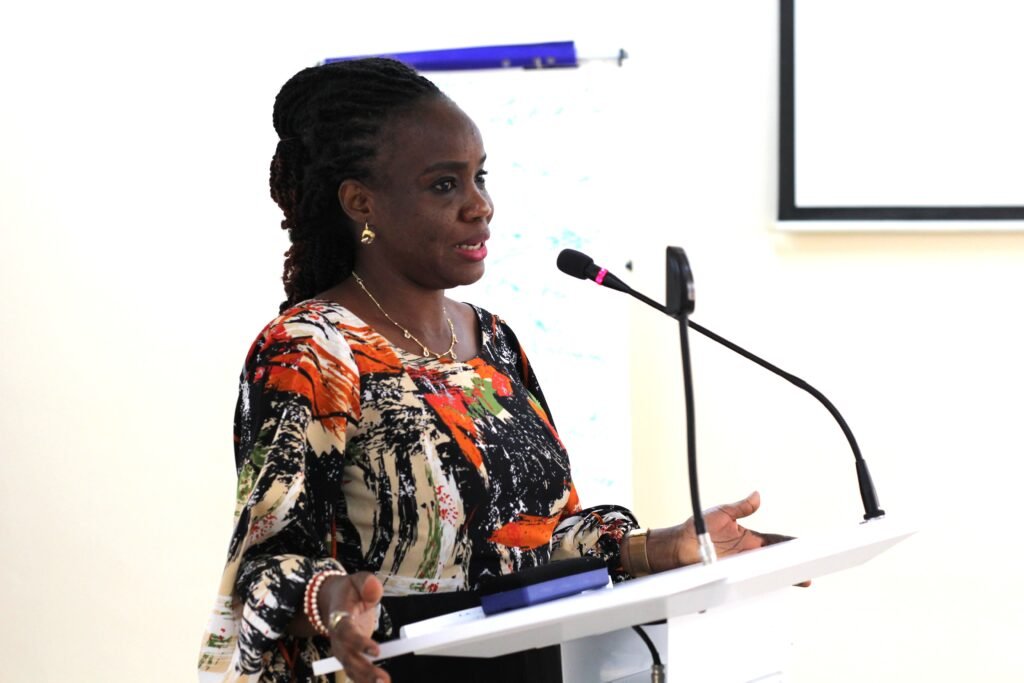

On December 16th, NISER researchers gathered for a Reflection Seminar on Nigeria’s current state, the multiple challenges faced by citizens, and the interconnections of these challenges.
The purpose of the forum was to facilitate an open, informed, and solutions-oriented dialogue on how Nigeria’s multiple challenges intersect, considering also the sensitive context of an approaching election year, and its potential for escalating some of these challenges.
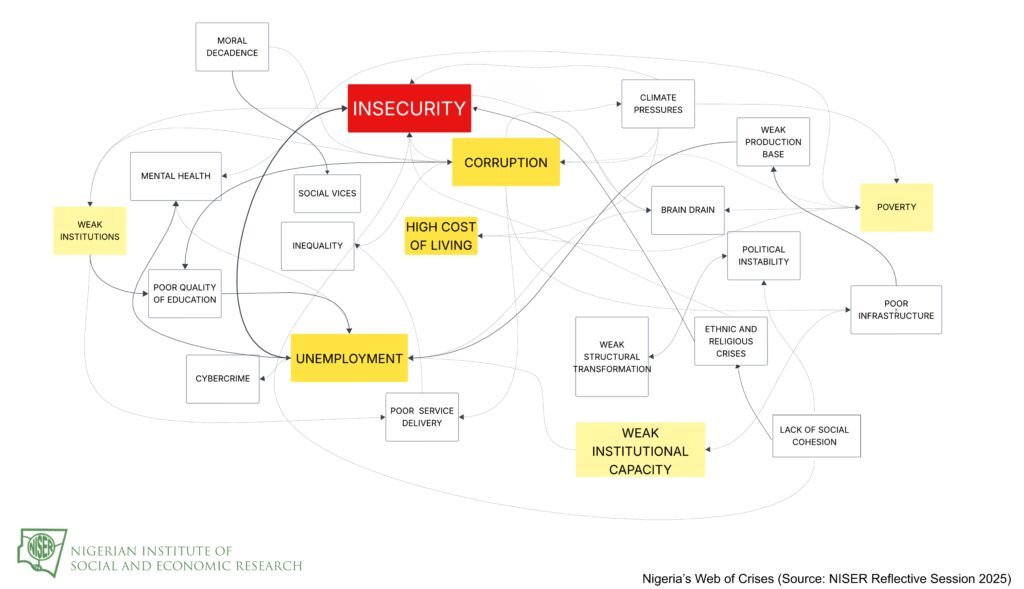
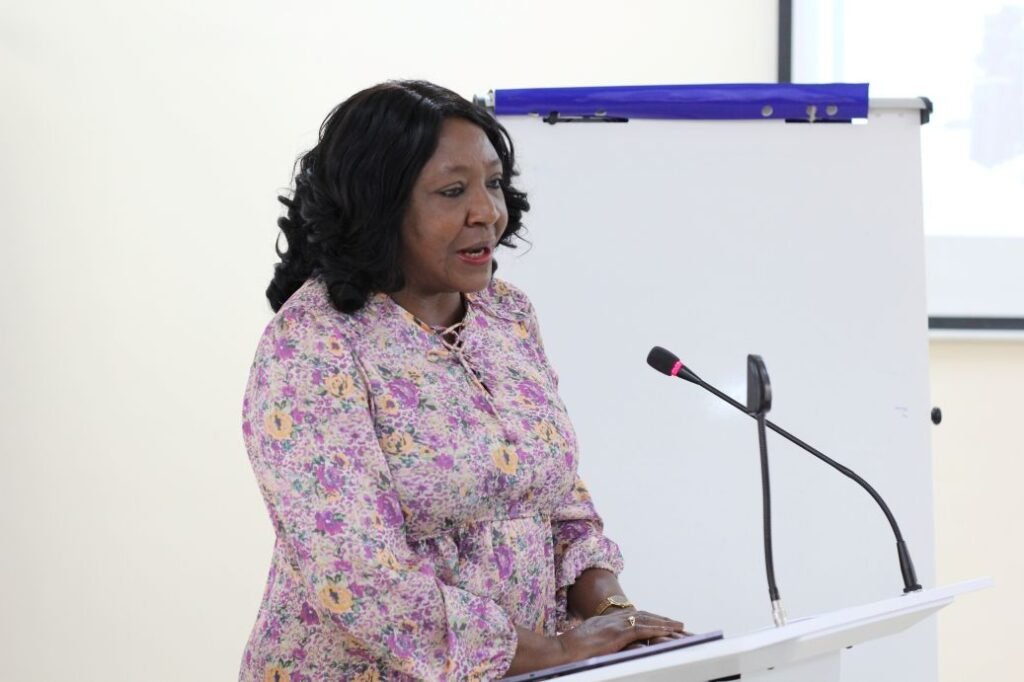
As the event began, the NISER Director-General, Prof Antonia Simbine, set the framing for the event, describing Nigeria’s current condition as a web of crises rather than isolated challenges. She highlighted how rising insecurity, high cost of living, unemployment, weak institutions, inequality, climate pressures, and a breakdown of long standing social norms and values among youth, interact to shape citizens’ everyday experiences and constrain development outcomes. Corruption was identified as a central driver and amplifier within this web, distorting public policy, weakening service delivery, undermining accountability, and eroding trust in institutions. While acknowledging government efforts to address insecurity and stabilize the economy, she noted that Nigeria remains in a critical risk position, raising concerns about the effectiveness and sustainability of existing responses.
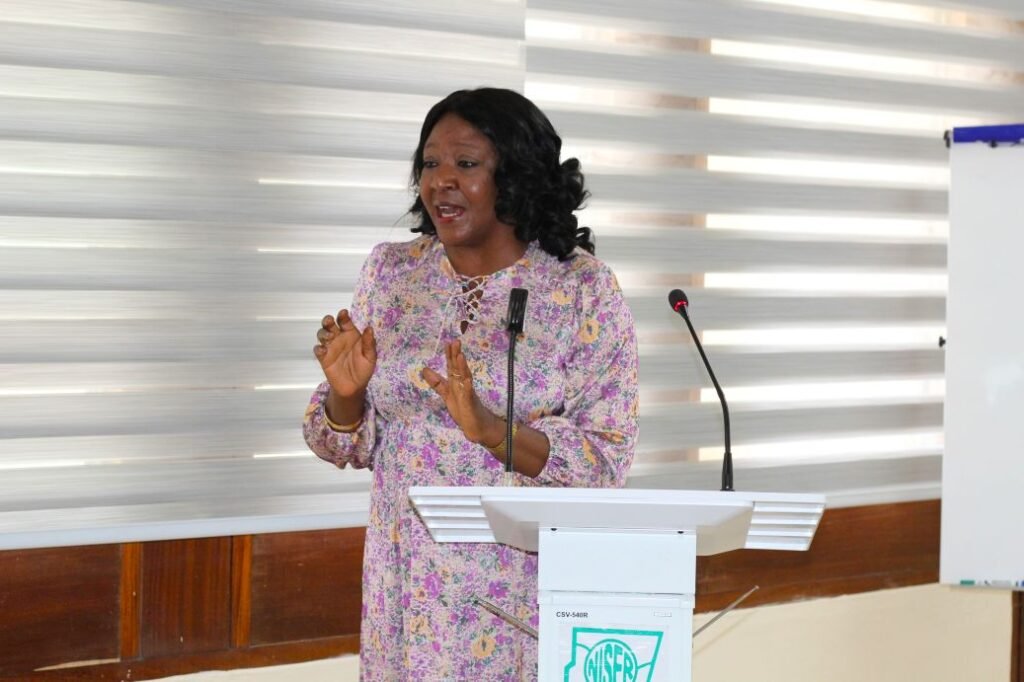
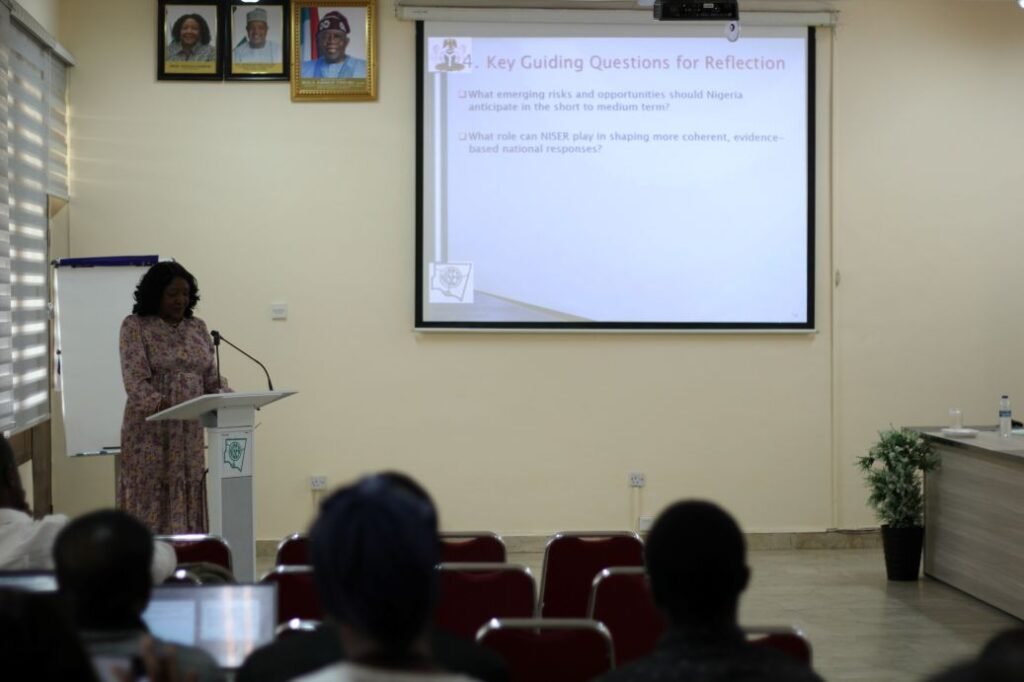
Against this backdrop, she explained the rationale for NISER’s Collective Reflection Session as a deliberate move away from siloed analyses toward integrated thinking, that because citizens experience these challenges simultaneously, research and policy responses must also be holistic. The session was thus conceived as an intellectual space for NISER researchers and staff to reflect on Nigeria’s current realities, share insights from research and lived experience, interrogate why policy interventions often fall short, identify emerging risks and opportunities, and clarify NISER’s role in shaping coherent, evidence-based pathways toward a more secure, inclusive, and resilient Nigeria.
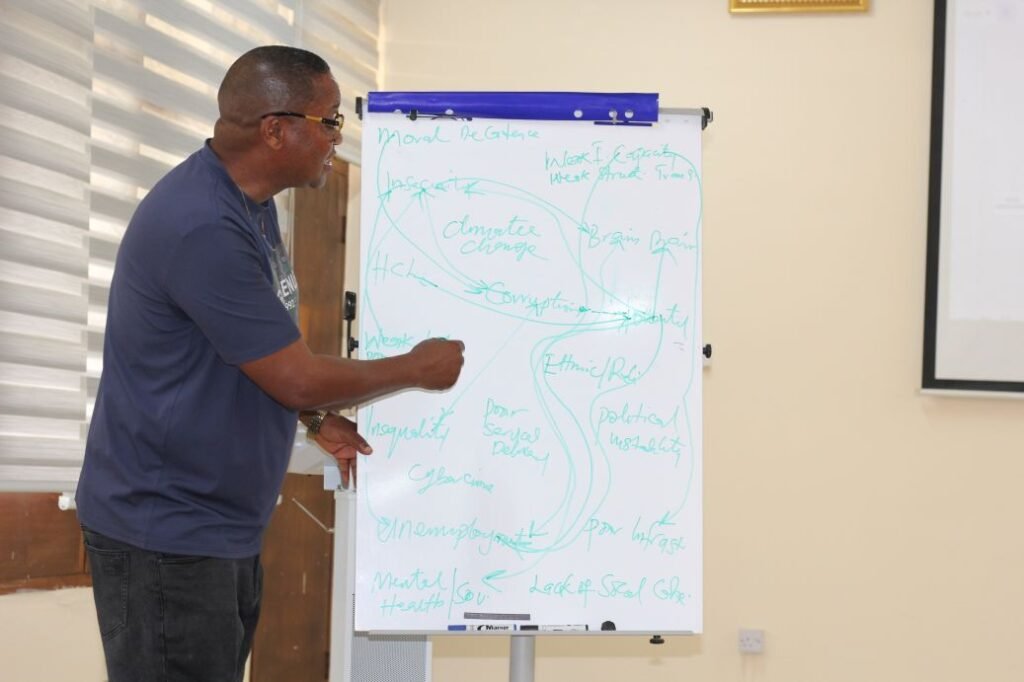
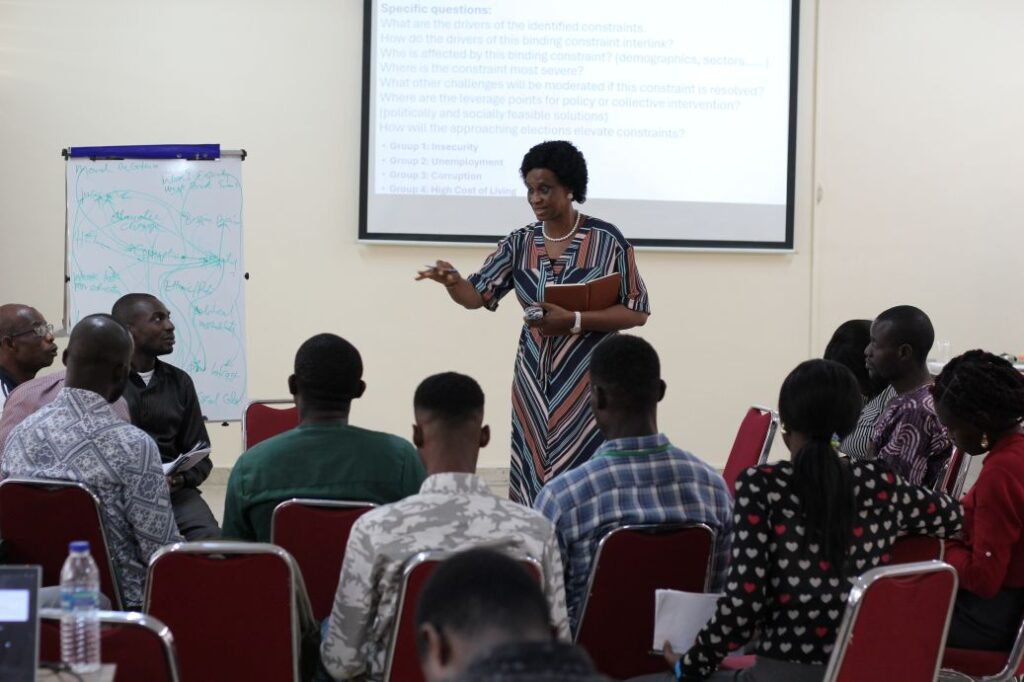
In the following discourse, the Head of the Knowledge Management Department (KMD), Prof Andrew Onwuemele, guided NISER researchers in plotting a graphic web of the challenges Nigerians are facing. During the interactive plenary session, Researchers identified other challenges aside those indicated in the background paper. Furthermore, they opined on the interconnections among the challenges (nodes) in the web. Interconnections were interrogated for clarity and applicability to reality. The most pressing challenge identified by 87% of researchers was Insecurity. This was closely followed by corruption, unemployment, and the high cost of living.
At the parallel break out session, researchers further explored what turned out to be the four biggest nodes in the web- Insecurity, Corruption, unemployment and high cost of living. Researchers explored the drivers of these crises, as well as existing leverage points for policy or collective intervention.
The output from the group discussions are available in a brief. Click the link below to download.